Advertisement
Beaver Supermoon 2025: When and how to get the best view on Wednesday, November 5
Wednesday 05th November, 2025 01:36 PM|

Astronomy enthusiasts across Kenya and the world are in for another dazzling lunar treat this November as the Beaver Supermoon, the brightest and largest full moon of 2025, graces the skies on Wednesday, November 5, 2025.
The Beaver Moon is the traditional name given to the full moon in November.
What is the Beaver Moon?
Its origins trace back to North American folklore, where it was said to mark the time when beavers were either being trapped for their pelts or busily preparing their lodges ahead of winter.
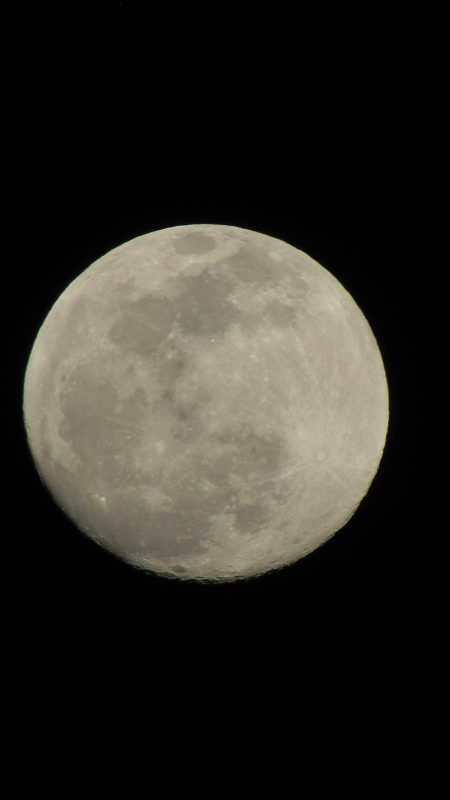
The term “supermoon” describes a full moon that occurs when the Moon is near perigee, the point in its orbit when it is closest to Earth. During this time, the Moon appears larger and brighter than usual. The 2025 Beaver Moon stands out because it will be the closest full moon to Earth this year, making it the largest and most luminous supermoon of 2025.
When and where to see it
You Might Also Like



In Nairobi, the Beaver Supermoon is expected to reach its full phase at 4:19 pm (EAT) on Wednesday, November 5, 2025. Although this exact moment occurs during daylight, the best time to observe it will be just after sunset, when the moon rises on the east-southeast horizon.
Choose a location with:
A clear view of the eastern horizon, free from tall buildings or trees.
Minimal light pollution to enhance the moon’s natural brightness.
An open landscape to enjoy the full scale of this celestial event.
Why It Appears Bigger and Brighter
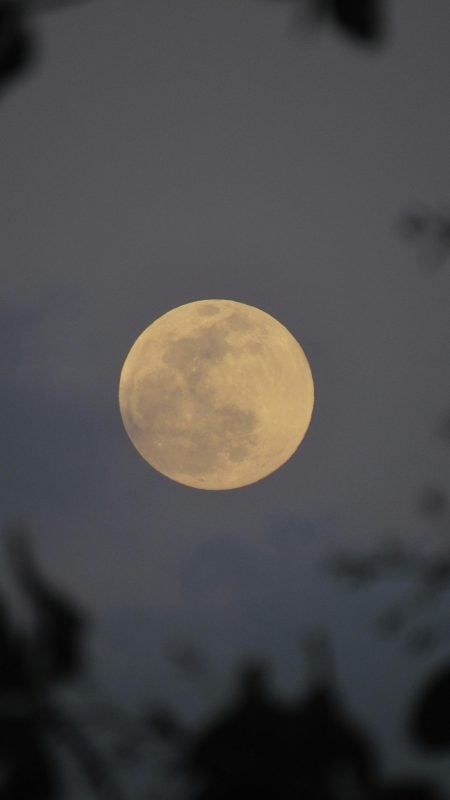
During a supermoon, the Moon is roughly 14% larger in apparent diameter and up to 30% brighter than when it’s at its farthest point from Earth (apogee). While the difference can be subtle to the casual observer, the effect is most noticeable when the Moon is low on the horizon, framed against trees or buildings.
Tips to maximise your viewing experience
Timing: Head outside around moonrise (check local moonrise times for 4–5 November).
Direction: Face east or east-southeast shortly after sunset.
Location: Select a quiet spot away from bright city lights.
Equipment: The naked eye is enough, but binoculars or a telescope can reveal surface details.
Weather: Watch for clear skies—haze or clouds may block the view.
Stay a while: The moon will rise quickly; it appears largest near the horizon, then brightens as it climbs higher.
Author
Latest News






Advertisement
More on Insights