Advertisement
Alarms over Jubaland’s invasion of Mandera faded as quickly as they arose
Monday 13th October, 2025 09:28 AM|
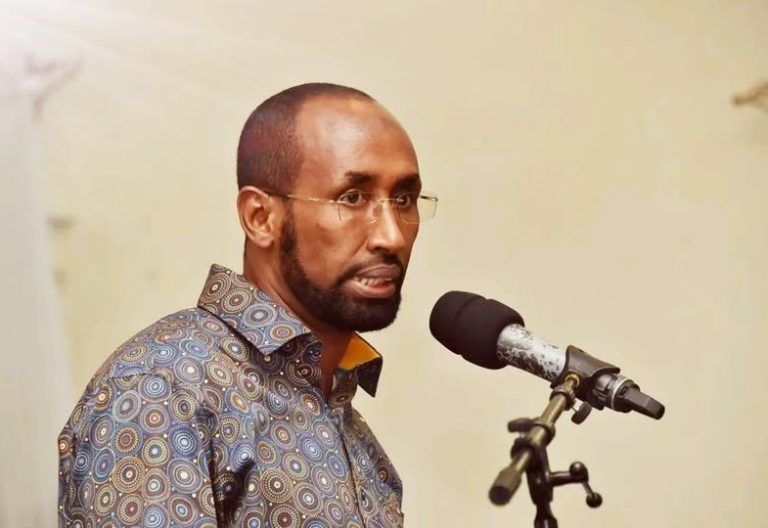
The alarms that emerged a month ago over reports of Jubaland forces invading Mandera have quietly faded away. What once stirred tension along the Kenya–Somalia border has now fallen into silence, with little official communication on the matter.
Talks of Jubaland forces operating within Kenya were first brought to light by former Deputy President Rigathi Gachagua, who claimed that foreign forces were terrorising the northern region while the state remained silent.
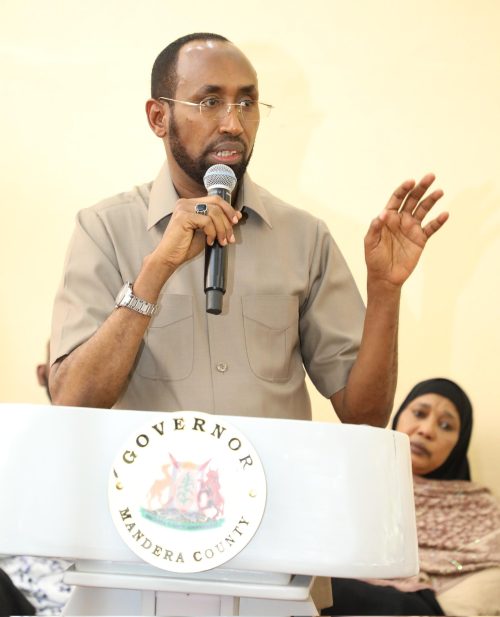
At first, nobody took him seriously until the Mandera County Governor himself came out voicing the same concerns, saying that locals were living in fear.
After the governor’s outburst on the matter, it quickly became a national concern. Everyone wanted to know the truth about what was happening and why the government had remained silent instead of issuing a national address or ordering the military to drive the criminals out of the region.
Opposition leaders’ uproar
You Might Also Like


As the days went by, uproar among opposition leaders grew louder. What began with Gachagua’s statement saw other opposition figures like Eugene Wamalwa join in, saying that there was indeed a problem in the north.
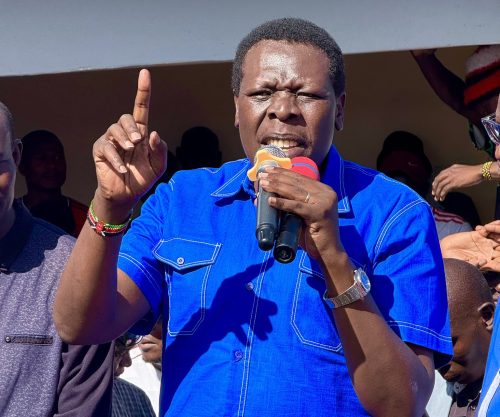
Wamalwa said he had been informed by his party’s officials from the region that residents were living in fear, some had begun migrating, and several schools had been closed due to rising insecurity. He called on Defence Cabinet Secretary Soipan Tuya to issue a public statement and outline measures to drive out the assailants.
Trans Nzoia Governor George Natembeya, who has been vocal about the scrapping of vetting for national identity cards among communities residing near border areas, linked the invasion of Mandera by Jubaland forces to the removal of the vetting process. According to him, the policy change opened the door for terrorists from neighbouring countries to acquire Kenyan IDs, leading to the current crisis.
Tuya summoned
Despite the growing public anxiety, the calls from opposition leaders were ignored. Kiambaa MP John Kawanjiku later stated that the National Assembly Committee on Defence, which was then on recess, planned to summon CS Soipan Tuya once sittings resumed to address national concerns, but this never happened.
The state remained silent. Neither the President nor the Defence Cabinet Secretary issued any official statement, leaving Kenyans in uncertainty.
It was only Interior Cabinet Secretary Kipchumba Murkomen who came out to dismiss the claims, describing them as “political propaganda” aimed at settling scores with the government. To date, the Defence CS has not provided a comprehensive report addressing the allegations raised by various leaders.
What made Kenyans take the matter more seriously was when Mandera Governor and Senator Ali Roba both raised the alarm about the alleged invasion by Jubaland forces originating from Somalia. As the old saying goes, “When the alligator comes out of the water and tells you the tilapia is sick, you believe the alligator because it lives with the tilapia.”
Where is the truth?
Kenyans have been left at a crossroads on whether they will ever know the truth about Jubaland forces. The leaders who initially raised the alarm have since gone quiet, no longer speaking publicly about the issue. Is there something sinister happening in the north?
Given the country’s painful history with terrorism, including the Westgate attack and the Garissa University tragedy of 2015, which claimed many innocent lives, it would have been appropriate for the state to release a comprehensive report to calm public fears.
Author
Latest News






Advertisement
More on Insights