Advertisement
Willis Otieno details why Ruto’s Ksh5 trillion infrastructure fund is illegal
Tuesday 16th December, 2025 12:48 PM|

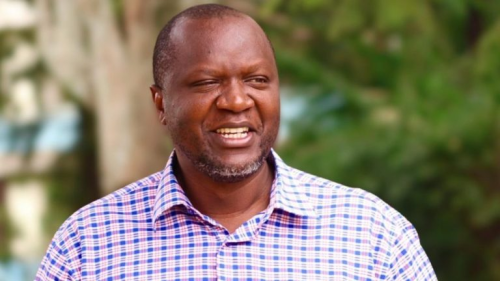
Constitutional lawyer Willis Otieno has launched a sharp legal warning over the proposed National Infrastructure Fund, arguing that it poses serious risks to public accountability and the rule of law.
In a detailed statement shared on X on Tuesday, December 16, 2025, Otieno said the fund, as currently designed, undermines the Constitution by removing long-standing safeguards that protect public money.
Otieno’s remarks come amid growing public debate around new financing models being promoted by the government to fund large infrastructure projects. Supporters say such funds can fast-track development, but critics warn they may weaken oversight and open doors to abuse.

According to Otieno, the problem is not development itself, but how public resources are being handled. He argued that the Constitution clearly outlines how public funds should be raised, controlled, and spent, and that any deviation from this framework threatens democratic accountability.
You Might Also Like



Also watch: Ruto urges cement firms to expand capacity for 5 trillion shilling infrastructure drive.
“The so-called National Infrastructure Fund is illegal because it deliberately strips public money of constitutional safeguards and concentrates control of those funds in the hands of a single individual,” Otieno said.
He explained that the Constitution establishes strict protections around public finances to prevent misuse and ensure transparency. These protections, he noted, are not optional but mandatory.

“Under the Constitution, public funds are protected by four non-negotiable safeguards,” he said.
Otieno listed these safeguards as parliamentary approval, public participation and transparency, independent audit and accountability, and collective executive responsibility rather than personal discretion.
Consolidated fund
He warned that the proposed structure of the fund bypasses these principles entirely by removing the money from the Consolidated Fund, where it would ordinarily be subject to oversight by Parliament and the Auditor-General.
“By removing the Fund from the Consolidated Fund and parking it in a private corporate vehicle, these safeguards are extinguished,” Otieno said.
The lawyer cautioned that such a move fundamentally changes how public money is treated, shifting it from an institutional system of checks and balances to what he described as personal control.
“Instead of parliamentary appropriation, Auditor-General oversight, statutory reporting, and institutional checks, the Fund places collection, control, and disbursement in the personal discretion of one office or individual,” he said.
Otieno added that this setup effectively insulates the fund from both Parliament and the public, making it difficult for citizens to know how their money is being used or to demand accountability when things go wrong.
Otieno urged Kenyans to pay close attention to how public funds are structured and managed, warning that shortcuts in accountability often come at a high cost.
Author
Latest News







Advertisement
More on Inside Politics