Why rejected flagbearer hopefuls could hand Ruto victory in 2027
By David Nthua, July 26, 2026President William Ruto is staring at a possible one-term presidency in a year.
However, the opposition could still rescue him by mishandling the choice of its 2027 presidential flagbearer.
The danger will not end when one candidate wins the opposition ticket. It will begin with how Kalonzo Musyoka, Fred Matiang’i, Edwin Sifuna and Rigathi Gachagua respond after losing.
A rejected hopeful who withdraws support, runs separately, or quietly frustrates the winner could split the anti-Ruto vote.
The latest TIFA poll places Ruto at 24 per cent nationally. Sifuna follows with 15 per cent, Matiang’i 14 per cent and Kalonzo 13 per cent. Another 20 per cent remain undecided.
The figures show that Ruto is vulnerable, but no opposition leader is strong enough to defeat him alone.
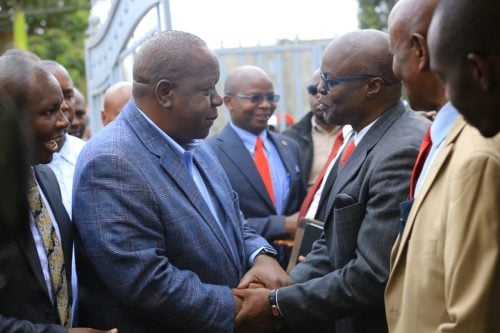
Losing candidates will control crucial regional votes
Each leading hopeful represents a political bloc that the eventual flagbearer will need. Kalonzo remains influential in Lower Eastern. Matiang’i leads in Nyanza, Sifuna in Western Kenya and Gachagua in Mt Kenya.
Their endorsements must translate into real campaigns, resources and turnout in strongholds.
TIFA found that 62 per cent of Kenyans believe Gachagua should support the strongest opposition candidate instead of insisting on the ticket.
Only 14 per cent want him to lead the opposition himself. That finding captures the coalition’s central challenge: ambition must give way to arithmetic.
Infotrack also found a tight flag bearer contest. Kalonzo received 27 per cent support among opposition voters, Matiang’i 26 per cent, Sifuna 19 per cent and Gachagua nine per cent.
The one-point gap between Kalonzo and Matiang’i means either camp could dispute a process viewed as unfair.
Divided opposition would give Ruto easiest path
Ruto does not need every opposition supporter. He only needs his rivals to divide their votes, campaign structures and regional turnout.
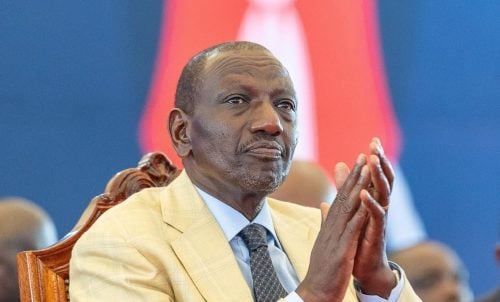
The same Infotrak survey placed Ruto at 32 per cent nationally. Kalonzo followed at 13 per cent, while Sifuna and Matiang’i tied at 12 per cent.
Yet a Kalonzo-Sifuna ticket led the tested opposition pairings with 23 per cent, showing that combined support is stronger than individual ambition.
The opposition must therefore negotiate more than a presidential candidate. It needs a binding agreement on power sharing, campaign financing and regional mobilisation.
The winner may carry the flag. However, the rejected hopefuls will decide whether that flag reaches State House or clears Ruto’s path to a second term.