Advertisement
Why Oburu wants an overhaul of protest laws
Monday 15th June, 2026 04:01 PM|
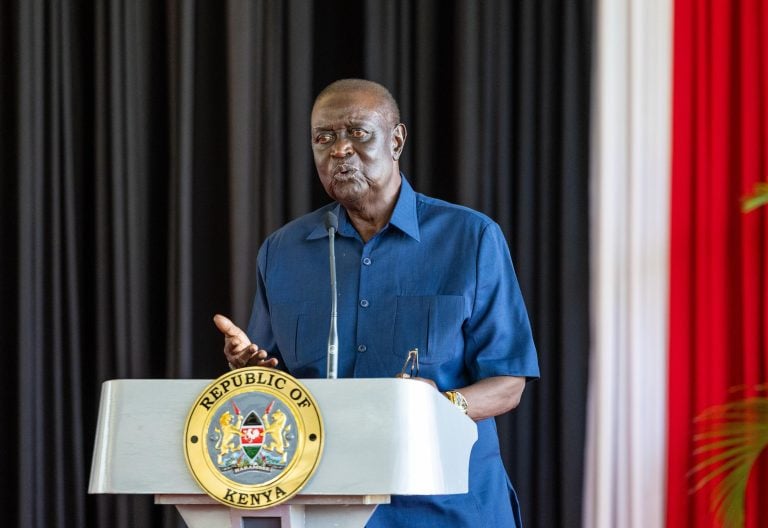
The Orange Democratic Movement (ODM) leader Oburu Odinga has renewed calls for a fundamental rethink of Kenya’s legal framework on demonstrations, arguing that the current system places unnecessary restrictions on a constitutional right and should shift from a permission-based approach to a simple notification model.
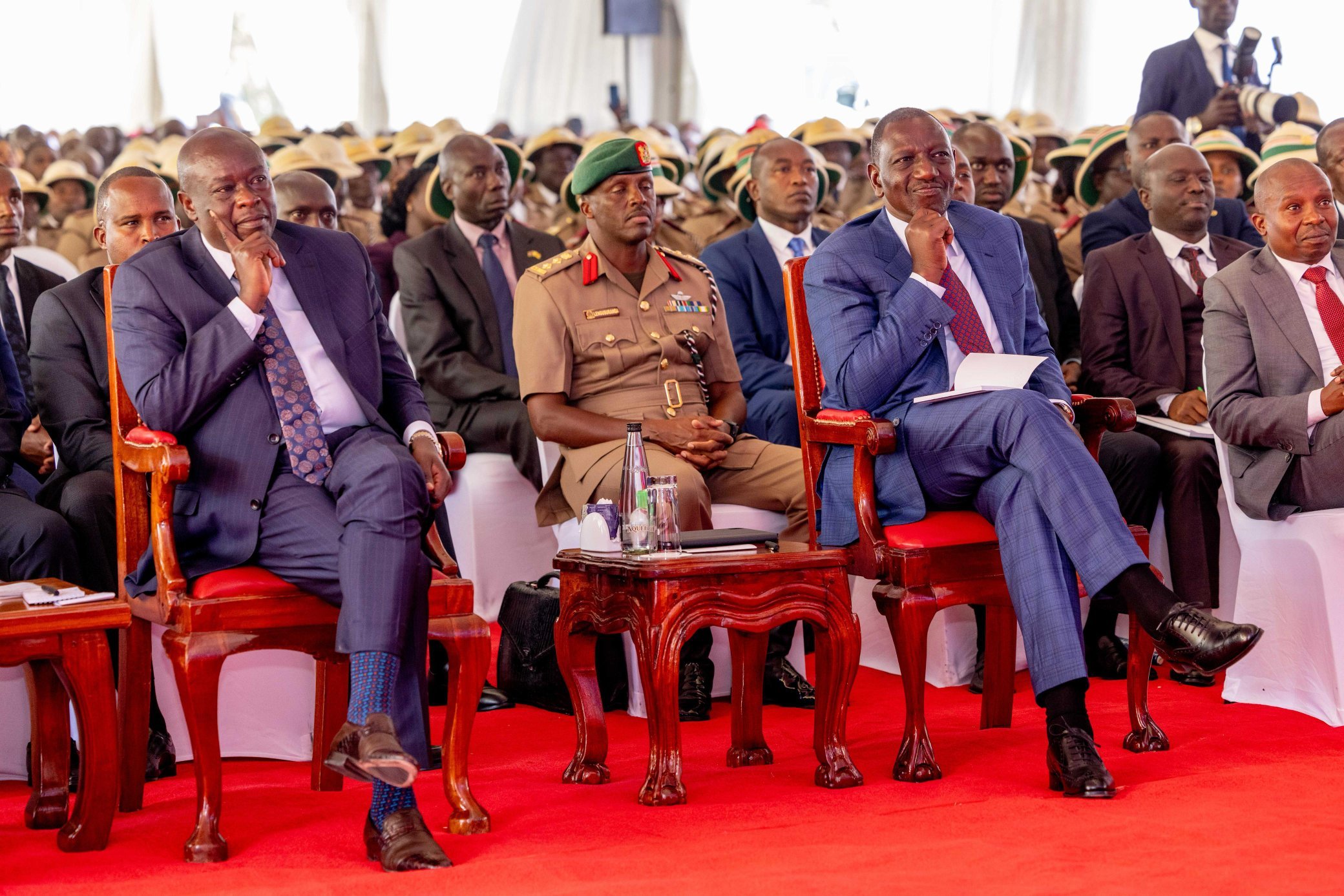
Speaking on Monday, June 15, 2026, at State House, Nairobi, during the launch of the Report on the Framework for Reparations for Victims of Human Rights Violations, Oburu said Kenyans should not be required to seek approval from police before protesting. Instead, he argued, authorities should only be notified so they can provide protection.
He pushed for a system where law enforcement supports rather than regulates the exercise of the right to assemble, saying police should focus on ensuring safety rather than granting or denying access to public demonstrations.
“Just notice, not apply for a permit. You give them notice, and they provide you with security, and you state exactly where you want to demonstrate, from what time to what time, so that security can be provided for you,” he explained.
You Might Also Like
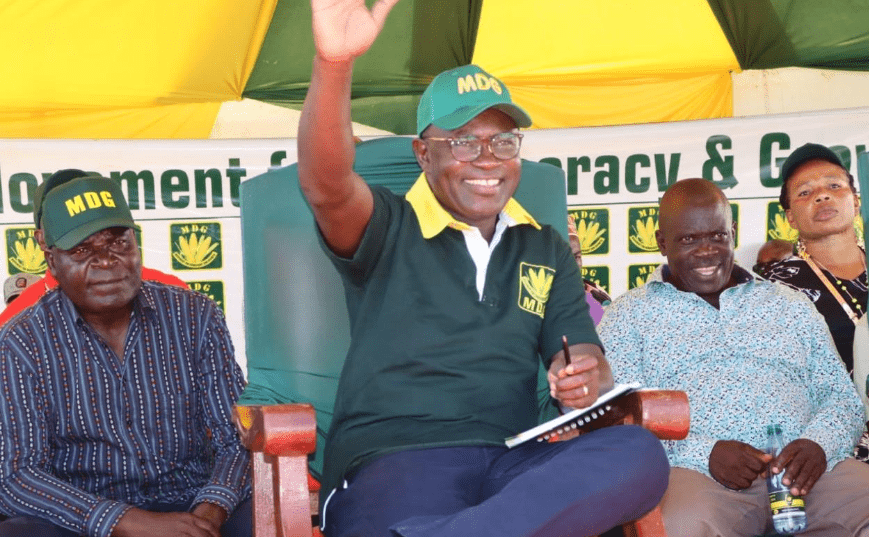


The Siaya senator said that if such a framework does not already exist in law, then it should be urgently introduced to guarantee order while respecting constitutional freedoms.

“I thought there was something like that, but if it’s not there, then let us expeditiously establish one so that we have a law which guides demonstrations so that Kenyans can demonstrate peacefully without being disturbed,” he argued.
Oburu’s remarks come at a time when courts are also pushing for clearer rules on the policing of protests.
For instance, the High Court in Kisumu, Kenya, recently issued directives requiring the Inspector General of Police (IG), the National Police Service (NPS) and the Attorney General (AG) to develop and publish regulations governing public order management and the use of force during demonstrations within 90 days.
Protest reforms or silencing dissent?
The ruling, which arose from police conduct during the 2023 Azimio protests, found that officers used excessive force, leading to deaths and serious injuries.
The court ordered compensation of more than Ksh38.6 million to victims and their families and stressed the need for structured operational guidelines to protect constitutional rights.
That judicial position closely mirrors Oburu’s argument that protest management should be clearly regulated to prevent abuse while still safeguarding public order.
At the State House event, Oburu also stressed that citizens who fund the National Police Service deserve protection when exercising their freedoms.
“Kenyans are the ones who pay the police; let Kenyans pay the police who protect them, not the police who kill them,” he said.
“If you use a bullet, that bullet is bought by the mwananchi you are killing, so we should not allow that situation where our own bullets are used to kill our people.”
Kenya’s Constitution under Article 37 guarantees the right to assemble, demonstrate, picket and present petitions to public authorities, provided such activities are peaceful and unarmed. Oburu emphasised that this condition must be strictly observed to protect the legitimacy of protests.

“Let Kenyans know that when you go to demonstrate peacefully, you don’t carry a machete or a stone, and you don’t carry any weapon at all. If you see anyone carrying a knife or a stone, you know that that is a goon,” he said.
He further raised concern over what he described as the growing normalisation of political violence, claiming that some political actors are increasingly relying on hired groups to disrupt public events and demonstrations.
“And those goons are not few; almost every politician is nowadays recruiting a goon to go and disrupt functions. I think that the nature of goonism, where you have goons for hire by everybody, we must make sure that that culture is stopped completely,” he said.
The discussion on protest laws was held alongside the unveiling of a reparations framework aimed at addressing both historical and recent human rights violations through compensation and restorative justice measures.
“To the families who lost their loved ones, please consider this a token of remorse; though the loss of human life can never be fully quantified through financial compensation, it is a necessary step toward justice,” he said.
Author
Latest News





Advertisement
More on Inside Politics