Advertisement
Why govt is under pressure to shelve religious organisations bill over exclusion fears
Thursday 28th May, 2026 07:02 AM|

The proposed Religious Organisations Bill, 2024, is facing mounting opposition from civil society groups and religious stakeholders, who argue that the legislation is unnecessary, exclusionary, and poses a threat to constitutional freedoms.
The Bill, which seeks to introduce stricter regulation of religious institutions, would require all religious organisations to register with a state-appointed Registrar. Failure to comply could attract penalties of up to Ksh5 million or imprisonment for up to three years.
It also proposes that religious organisations be endorsed by umbrella religious bodies and supported by at least 25 organisations professing a common faith before registration is approved. Critics say these provisions risk locking out smaller, informal, and indigenous faith groups that do not fit within formal religious structures.
The proposed law was discussed during a coalition dialogue convened by Search for Common Ground and its partners, including Muslims for Human Rights (MUHURI), the Kenya Community Support Centre, and the Kesho Alliance. The forum brought together Members of Parliament (MPs) and civil society actors to deliberate on the implications of the Bill.
You Might Also Like


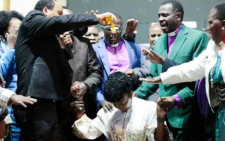
MUHURI executive director Walid Kassim warned that the legislation could deepen exclusion, particularly for minority and indigenous belief systems.
“The majority of the communities and societies within the republic are not aware; they are not well affiliated with it,” Kassim said.
He argued that the proposed structure of the commission overseeing religious organisations fails to recognise African traditional beliefs and questioned the requirement for endorsement by umbrella bodies.
“So the proposed bill says that for you to be registered, you have to be recommended by a certain religious association. What if somebody does not have a religious association that they align with?” Kassim posed.
The Bill states that for a religious entity to qualify for registration, the application must be supported by at least 25 proposed or registered religious organisations professing a common faith and endorsed by at least five individuals with no criminal convictions.

Further criticism has been directed at provisions requiring religious leaders to possess formal theological qualifications. The proposed law requires at least one religious leader to hold a degree, diploma, or certificate in theology.
Kassim argued that such requirements would disadvantage faiths that do not operate within formal academic systems.
“What I mean is that somebody practising Rastafarian religion, or the Kaya religion, cannot be able to certify themselves academically for them to qualify for membership and practice this religion,” he said.
“As a country, we do not have the necessary infrastructure for every faith to be able to be taken through academic qualifications.”
The penalities
The Bill was drafted by a task force formed in the aftermath of the Shakahola tragedy, where more than 400 bodies linked to a religious cult were discovered. It seeks to address concerns around exploitation, extremism, and lack of accountability within religious organisations.
Among its provisions are penalties of up to Ksh5 million or a jail term of up to 10 years for religious leaders found guilty of using false miracles, blessings, or healings to extort money or property from followers.
The proposed law also criminalises coercion into religion through threats or force, attracting fines of up to Ksh1 million or imprisonment for three years. In addition, it bars religious organisations from engaging in politics for purposes of seeking power, with offenders facing fines of up to Ksh500,000 or six months in jail.

The Bill further proposes the establishment of the Office of the Registrar of Religious Organisations, granting the Registrar powers to inspect religious premises, demand financial records, and suspend or cancel registrations.
Critics, however, warned that such powers could be open to abuse.
“It’s also given privilege to certain officers in government to decide which groups to approve and which groups not to approve. So it can be abused and cause more chaos as we go forward,” Kassim added.
The legislation would also require religious organisations to disclose members’ and leaders’ qualifications, funding sources, and bank statements, while mandating governance structures such as boards of trustees and annual general meetings.

Bishop Francis Omondi of the Anglican Church of Kenya (ACK), Garissa, questioned the necessity of introducing a new law when existing legislation already addresses many of the issues raised.
“My thought was that the bill was not necessary because we already have laws that deal with regulating religious organisations. The laws are present, but they are not followed, so we cannot create new laws and expect that to still happen,” Omondi said.
He maintained that incidents such as the Shakahola tragedy reflected failures in enforcement rather than gaps in legislation.
“If it’s money laundering, there is already a law on that. If it’s on the protection of children, there are already robust laws on that,” he said.
Kassim also argued that several provisions in the Bill duplicate existing legislation.
“The bill is having similar contributions and similar laws to other acts, such as the Prevention of Terrorism Act, the Children Protection Act. Let us harmonise the bill and engage the people,” he said.
Bishop Omondi further warned that imposing rigid governance structures on religious organisations could distort the nature of certain faiths.
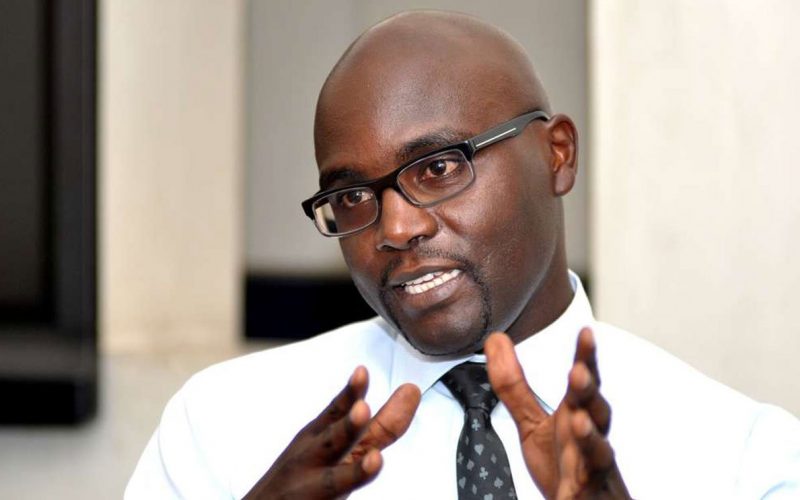
Religious leaders raise concerns
“My other fear is that the law may cause more problems because reorganising religions in a model that it is suggesting will force religions to take on a shape that isn’t theirs,” he said.
Ahmed Bashir from Kesho Alliance said privileging some forms of religion over others could fuel marginalisation.
“There is a group of people that might be excluded because of the African culture and the people who don’t have scriptures, but they do believe in some cultures,” said Bashir.
“We cannot regulate cultures, but once you give priority to people and you give them a registry, you are excluding a certain group.”
Harrison Mumia, president of the Atheists in Kenya Society (AKS), echoed the calls for strengthening existing systems instead of introducing fresh legislation.
“The debate really should not be about another law, but it should be about what we can do to the existing laws to make regulations,” he said.
Stakeholders at the forum called for wider public participation before the Bill proceeds further, insisting that any reforms aimed at addressing abuses within religious spaces must not undermine the constitutional right to freedom of religion under Article 32.
Author
Latest News






Advertisement
More on Inside Politics