What Wanjigi’s visit to Gachagua’s Wamunyoro residence means for the 2027 race
By Aloys Michael, July 1, 2026The visit by Safina Party leader Jimmy Wanjigi to former Deputy President Rigathi Gachagua at his Wamunyoro residence has intensified speculation over early opposition coordination ahead of the 2027 presidential election against President William Ruto.
The meeting, confirmed by Gachagua on July 1, 2026, is part of wider efforts by opposition figures to consolidate political forces and resources in preparation for a potential showdown with Ruto’s Kenya Kwanza administration.
It comes at a time when opposition leaders are quietly negotiating frameworks for unity, including discussions on a single presidential flagbearer.
Gachagua, who is currently observing a 45-day retreat from public rallies following his impeachment ruling, described the engagement as part of broader consultations aimed at shaping Kenya’s political future.
“Pleased to have held consultations with businessman Jimmy Wanjigi, who called on me at the Wamunyoro residence,” Gachagua said.

The Democracy for the Citizens Party (DCP) added that the discussions touched on the formation of what he termed the country’s sixth administration, emphasising the need for inclusive input from political, business, and governance experts.
“The liberation cause of our country and the formation of the sixth administration are so critical that we must get views from all,” he stated.
Gachagua has also stepped up nationwide political consultations since leaving government, positioning himself as one of the key figures seeking to rally opposition leaders behind a single presidential bid.
The Wamunyoro meeting adds to a series of consultations Gachagua has been holding with political leaders, professionals and influential Kenyans as he works to shape what he says will be Kenya’s next administration.
Ruto’s headache
Wanjigi, a longtime critic of the Kenya Kwanza government, is widely seen as bringing financial strength and strategic depth to opposition politics. His involvement adds weight to emerging opposition talks, particularly as the Safina Party leader has previously signalled interest in playing a central role in shaping a united anti-Ruto front.
Gachagua also noted that he had gained insights from Wanjigi’s political and governance experience.

“I have greatly benefited from his insights and experience in the formation of governments.”
The remarks highlight the increasing value opposition figures are placing on technocratic and financial input as they seek to build a competitive national campaign structure.
On his part, Wanjigi described the meeting as an important discussion focused on Kenya’s future, saying leaders must put the country’s interests ahead of politics, insisting that Kenya must pursue both political and economic freedom.
“The liberation of Kenya demands that we all discuss ideas that put Kenya first. Great catching up with my brother Rigathi in his Wamunyoro residence,” Wanjigi said
“We must ensure Kenya becomes a sovereign state and economically liberated. It is good for kinsmen to gather. There is hope for Kenya.”
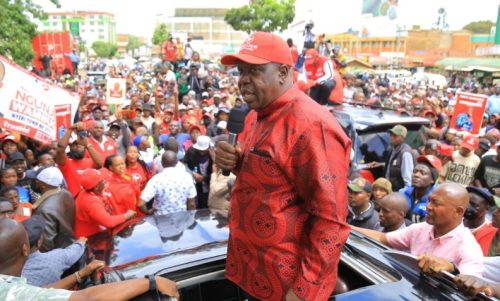
United front
With just 13 months remaining before Kenya’s 2027 General Election, opposition leaders are facing growing pressure to transform public displays of unity into a workable political coalition capable of challenging Ruto’s re-election bid.
While leaders from various opposition formations continue to project solidarity against the Kenya Kwanza administration, emerging disagreements over leadership, coalition structure and the process of selecting a joint presidential candidate are exposing cracks that could threaten the alliance before it is formally constituted.
The coalition’s biggest test revolves around the increasingly contentious question of who should carry the opposition’s presidential flag and how that candidate should be identified.
The latest signs of strain emerged after People’s Liberation Party leader Martha Karua proposed that the opposition settle on a presidential candidate through scientific opinion polls. The proposal has received backing from Jubilee presidential hopeful Fred Matiang’i, who argues that data-driven surveys provide an objective way of identifying the strongest contender.
However, the suggestion has not found universal support within the opposition ranks.
Allies of Wiper leader Kalonzo Musyoka and former Deputy President Rigathi Gachagua are understood to favour a negotiated political settlement based on consensus-building, regional voting strength and coalition bargaining rather than relying solely on opinion polls.
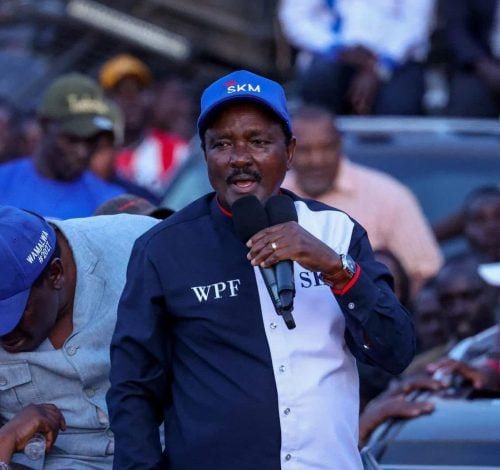
The differing positions have highlighted the challenge facing opposition leaders as they seek to avoid the divisions that have historically weakened attempts to unseat incumbent governments.
The situation has been further complicated by the emergence of the Linda Mwananchi movement associated with Nairobi Senator Edwin Sifuna, Siaya Governor James Orengo and a section of leaders drawn from ODM, Wiper and allied parties.
Although both camps insist they remain committed to working together against President Ruto, insiders acknowledge that there is still no formal framework to manage competing interests, ambitions and ideological differences within the broader opposition movement.
Speaking during an interview on a local TV station, Kituyi said opposition leaders were under increasing public pressure to remain united but admitted that the mechanisms needed to sustain that unity were still lacking.
“There’s growing public pressure that nobody should walk away from the table,” Kituyi said, adding that more work was needed to develop structures capable of keeping all stakeholders engaged.
His concerns echo earlier warnings from Jubilee deputy party leader Jeremiah Kioni, who has repeatedly argued that the opposition remains vulnerable because it lacks a formal coalition framework outlining leadership structures, guiding principles and political objectives.
The stakes are particularly high given the advantages President Ruto is expected to enjoy as an incumbent seeking a second term. Opposition leaders are therefore under pressure to demonstrate not only unity but also the organisational discipline required to sustain a credible national campaign.