Advertisement
Wamalwa: Security is a fundamental right, not a privilege
Sunday 07th June, 2026 07:18 PM|

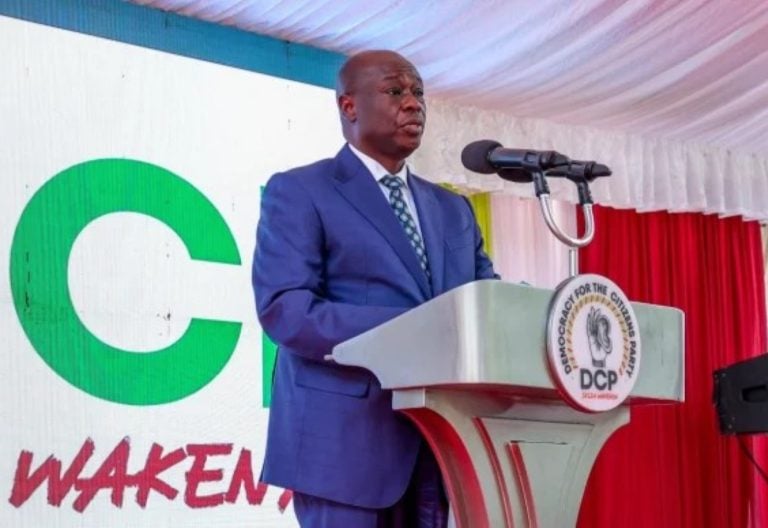
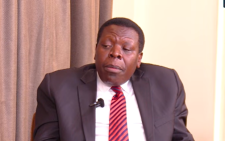
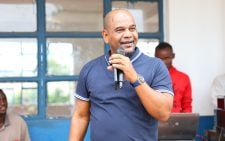
Democratic Action Party–Kenya (DAP-K) leader Eugene Wamalwa has criticised the government over national security, saying safeguarding citizens remains its primary duty.
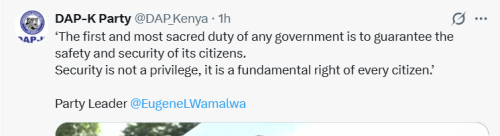
Speaking in a video released by his party on June 7, 2026, he said: “The first and most sacred duty of any government is to guarantee the safety and security of its citizens. Security is not a privilege; it is a fundamental right of every citizen.”
“We demand that the government of this country provide safety to its citizens. Haiwezekeni tunasema ati tuko na askari na ulinzi wa kutosha, iweje tunatoa ushuru kulipa polisi wetu na mnawachukua nchi za nje,” read the post in part.
He made the remarks amid concerns over insecurity, including banditry, political violence and cross-border threats in several counties.
You Might Also Like
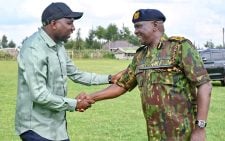
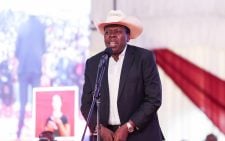
His party reiterated calls for strengthened deployment of security agencies and coordination among counties in addressing insecurity incidents. Security concerns have remained a recurring topic in political discourse across opposition platforms in recent months.
Foreign policy claims
Eugene Wamalwa previously spoke in Mai Mahiu on Feb 27, 2026, criticising the administration of William Ruto. He claimed that arrangements involving Sudan’s Rapid Support Forces (RSF) compromised national interests, saying: “Tumeambiwa kwamba anauza paspoti zetu kwa wale mamluki wale watu walikua wa RSF.”
He also raised concerns over border document management, claiming identity documents were being accessed by non-Kenyans, particularly along the Kenya-Somalia border.
He further said Kenyan youth were being deployed to foreign conflicts in Russia and Haiti, calling for accountability from officials in foreign affairs. Political debates have continued over Kenya’s foreign relations in the Horn of Africa region and broader international engagements.
Government officials have previously stated that foreign policy decisions follow legal frameworks and international obligations. Discussions around documentation and migration controls have featured in parliamentary and public forums.
Opposition meeting and political context
On April 30, 2026, leaders, including Fred Matiang’i, Rigathi Gachagua, Kalonzo Musyoka, and Wamalwa, met to discuss national challenges. In a joint statement, they highlighted delays in school funding and security concerns affecting public trust.
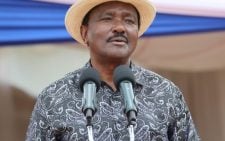
Kalonzo Musyoka said, “Kenyans deserve a government that works, one that prioritises education, protects its people, and responds with urgency, not silence.”
The leaders said they would continue pushing for accountability on governance and service delivery ahead of the 2027 election period. The meeting was part of a series of consultations among opposition leaders aimed at addressing governance and service delivery issues.
Further engagements to continue discussions on education funding and national security reforms. Political analysts have noted increased coordination among opposition figures ahead of the 2027 election period.
Author
Latest News


Advertisement
More on Inside Politics