Advertisement
Sossion: Teachers backing Ruto through ‘Tutam’ are exercising their rights
Thursday 18th September, 2025 08:32 AM|
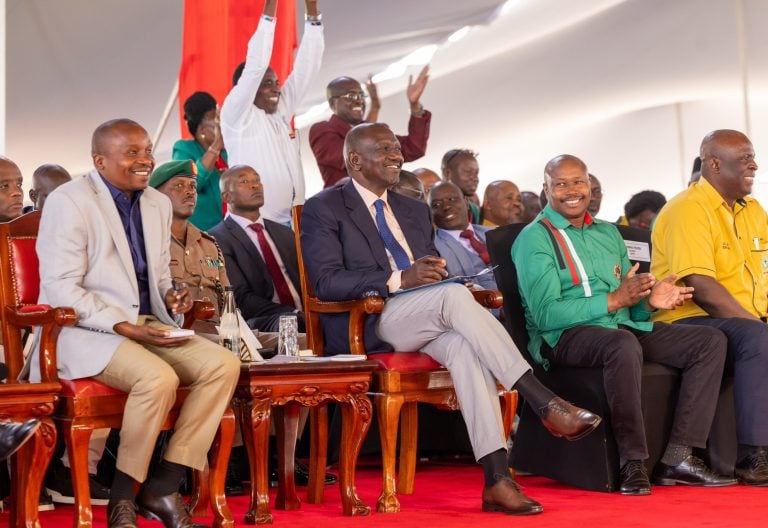
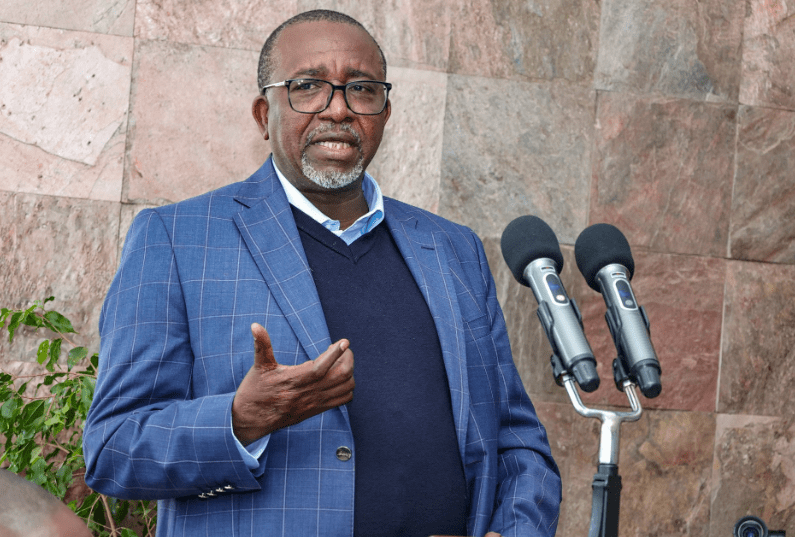
Former KNUT Secretary-General Wilson Sossion has defended teachers who expressed support for President William Ruto, saying their actions fall within the realm of political rights.
Speaking during a political talk show aired by a local television station on Thursday, September 18, 2025, Sossion emphasised that such expressions should not be viewed negatively.
“Let us not look at politics of our country negatively, when the president engages in serious work, it is rubbished and labelled as politics, that is wrong,” Sossion said, highlighting the need to separate policy engagement from political labelling.
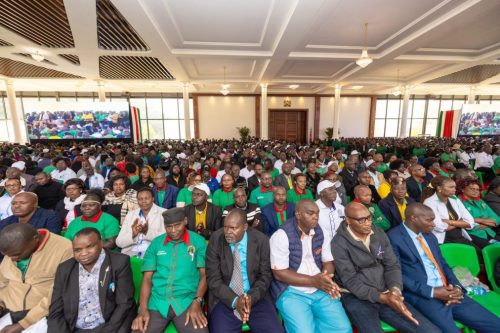
He clarified that President Ruto’s recent engagement with teachers was fundamentally a policy meeting, not a political rally.
You Might Also Like
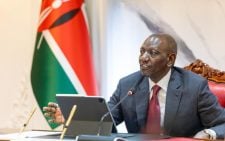


“Meeting with teachers is a policy meeting because policy issues were discussed. The president gave teachers a moment to intervene and respond. Minister and PS were there, and they are the ones who raised the memorandum. They are the ones to implement teachers’ welfare. That was a policy meeting. It is only President Ruto who has seen it nice to call leaders to talk,” Sossion explained.
According to Sossion, the chanting of “Tutam” by teachers during the meeting represents their political rights.
The former Kenya National Union of Teachers (KNUT) Secretary General had earlier urged Kenyans to be sincere and thank God for having one of the best presidents.
He urged educators to participate actively in political processes and align with groups committed to protecting their interests.
“Tutam is politically right for teachers. We encourage teachers to engage in political activities of the day and align with political organisations that are ready to protect their rights,” he said.
Sossion’s remarks come amid heightened political attention around teachers’ involvement in national discourse, particularly on issues affecting their welfare and broader policy matters.
By framing the interaction as policy-driven, Sossion sought to clarify that teachers’ participation did not compromise their professional obligations but reflected their constitutional right to political expression.
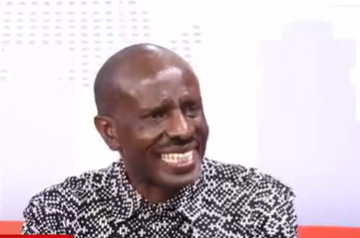
The former KNUT leader also stressed that leaders within the education sector, including the Ministry officials present, were the ones responsible for raising and addressing the memorandum, emphasising that the President’s role was to facilitate dialogue.
Sossion’s comments underline the importance of distinguishing between political expression and policy engagement, particularly in a sector as critical as education.
His defence of teachers’ actions reinforces the idea that citizens, including professionals, have the right to engage politically while remaining informed on policy issues affecting them.
Author
Latest News






Advertisement
More on Inside Politics