Advertisement
Political silence in Raila backyard confounds all
Monday 11th August, 2025 04:00 AM|
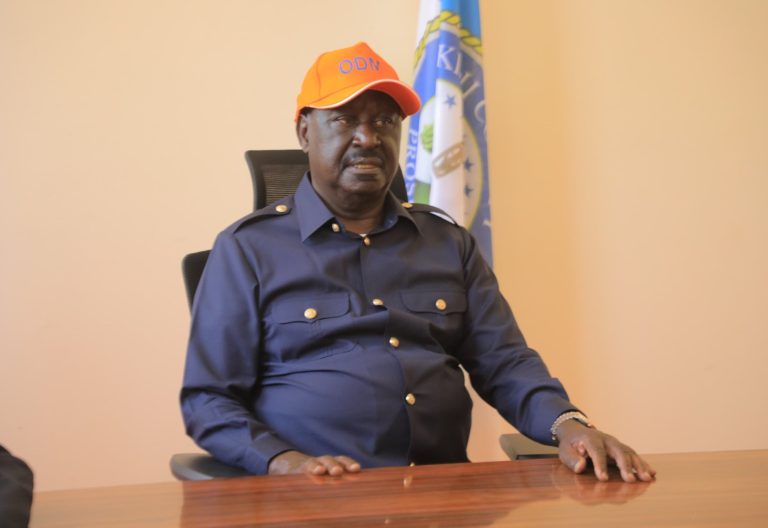
The political temperature in ODM leader Raila Odinga’s traditional strongholds has gone strikingly quiet—not from apathy, but, according to observers, out of calculated patience.
Since Raila struck common ground with President William Ruto in 2024, a raft of government appointments and pledges of development projects have poured into his bastions, particularly in Luo Nyanza.
Even the most casual observer will have noticed the unprecedented attention directed towards the region—especially Homa Bay County.
After staging the national Madaraka Day festivities on June 1, 2025, Homa Bay is now gearing up to host the 2025 Devolution Conference, slated for August 12–15.
You Might Also Like
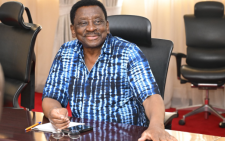
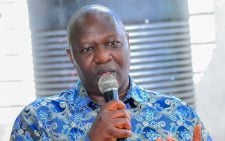
Both events have triggered a flurry of infrastructure upgrades and public investments, fueling speculation about a deliberate shift in government focus towards the area.
The once-relentless political drumbeats have given way to a calm, almost eerie stillness.
Residents are lying low, watching and waiting for the next cue from their leaders ahead of the 2027 showdown.
For a region long accustomed to high-octane politics, the change is palpable. Streets that once echoed with chants and tear gas now hum with routine life—the mood tethered to Raila’s own tone, or silence.
The turning point traces back to June 2024, when Ruto’s administration faced intense pressure during the Gen Z-led protests.
Under mounting public anger, Ruto dissolved his Cabinet and withdrew the controversial Finance Bill 2024.
Expert donation
A month later, a reconstituted Cabinet was unveiled, featuring senior ODM figures—among them party chairman John Mbadi and deputy party leaders Hassan Joho and Wycliffe Oparanya, whom Raila described as “experts.”
The reshuffle drew parallels with the 2008 grand coalition government formed after the disputed 2007 election, which at the time helped ease political tensions.
The new power-sharing arrangement under the broad-based government also paved the way for another strategic development—Raila’s bid for the African Union Commission (AUC) chairmanship.
Sources close to him say President Ruto personally encouraged the run, promising his administration’s full backing.
True to his word, Ruto’s government mounted an aggressive continental campaign for Raila.
Many viewed this as a move to keep the opposition leader focused on diplomacy rather than domestic politics, effectively muting his political firepower and giving Ruto a smoother path to 2027.
AU chair bid stillbirth
Had Raila clinched the AU post, analysts believe Ruto could have leveraged his rival’s influence to offset political losses elsewhere, particularly in Mt Kenya, following former Deputy President Rigathi Gachagua’s ouster.
But Raila’s loss in the AU race has left both camps in a state of political uncertainty.
Pundits warn that the alliance could face renewed strain, even as the flow of government projects to ODM zones continues—sustaining the current quiet.
Associate Professor Halimu Suleiman Shauri of Pwani University thinks the silence may not last.
“Politics is a game of numbers—but those numbers are anchored in strategy,” he says.
“Sometimes it is important to know when to play to the gallery. To remain relevant in politics, you need resources, and you can’t remain in perpetual opposition when you need those resources. People fight for political positions because they want control over resources.”
Shauri likens seasoned opposition politicians to ticks: “They attach themselves to the host, feed, and once satisfied, drop off. ODM’s point of detachment is not far away. They are already holding grassroots elections to assess and strengthen their base. This will reignite their presence on the political stage.”
Raila himself has sent mixed signals about 2027.
In a recent TV interview at his Karen home, he said his cooperation with Ruto would last only until 2027, describing it as a measure to help stabilise the country during difficult economic and social times.
“We have said we are in the broad-based government until 2027. We did not say we are going to work with UDA beyond 2027. Those are issues the party will decide at the appropriate time,” Raila stated, warning against early campaign talk.
Yet days later, at the burial of veteran politician Phoebe Asiyo in Homa Bay, Raila defended the arrangement, urging critics to give Ruto space to deliver.
“To the naysayers, give us space and judge us in 2027. This is going to last till 2027, after that we’ll see where we’ll go,” he said.
“If you’re saying one term, one term… so what? It’s Kenyans who will decide.”
Governance expert Prof Fred Ogola believes the quiet in ODM zones is intentional.
“They don’t want to antagonise Raila, even if many no longer agree with him,” Ogola says.
“They’re muting public dissent not because they support the government, but because they are waiting for the right time — and that time is the ballot.”
Author
Reuben Mwambingu
View all posts by Reuben MwambinguLatest News



Advertisement
More on Inside Politics