Advertisement
Peter Kagwanja: We do not have a genuine G-to-G deal
Thursday 16th April, 2026 08:36 AM|

Peter Kagwanja, a political analyst, has viciously condemned the government-to-government (G-to-G) oil importation deal in Kenya, calling it a miracle that does not bring any real benefits to the common people but makes a few private actors rich.
Speaking in an interview with a local TV station on Wednesday, April 15, 2026, Kagwanja stated that the Kenyan government is not directly involved in the oil trade but only regulatively. In this way, he not only challenged the basis of the G-to-G model but also indicated that its branding deceives people into thinking that the state is directly engaged in business dealings.
“The government does not trade in oil; it is a regulator. The beneficiaries of the government-to-government (G-to-G) arrangement are individuals. The truth is, we do not have a genuine G-to-G deal. The source may be the government, but here at home, it is individuals and corporations who benefit. It is a mirage,” Kagwanja remarked.
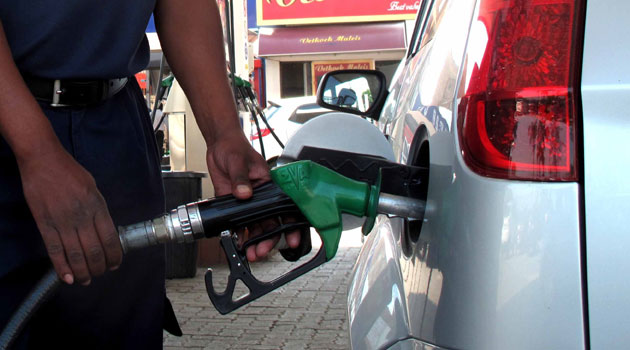
Kagwanja says that the oil itself might be a result of agreements with the governments of other countries, but the local organisation of the deal puts the control and profit into the hands of individuals and corporate entities. This, he added, defeats the very essence of a government-to-government arrangement.
Kagwanja: Govt is not a trader in oil
You Might Also Like


In his remarks, Kagwanja stated that the government is not a trader in oil but a regulator, and the actual beneficiaries of the transaction are not government institutions but individual players in the supply chain. To him, the G-to-G label gives an impression of government intervention, but economic benefits are mostly privatised.
Kagwanja further cautioned that such actions could undermine the people’s trust, especially in the wake of escalating fuel prices and an increasing cost of living in the country. He observed that the promise of reduced fuel prices under the G-to-G model is not achieved, and the situation has cast doubt on accountability and transparency.

Kagwanja has made the comments in the context of increasing criticism of the Kenyan fuel pricing mechanisms and the success of the policy interventions to stabilise the energy sector. Structural inefficiencies, opaque deals, and excessive taxation have become the subjects of growing criticism by critics as factors behind high pump prices that never end.
Kagwanja’s characterisation of the G-to-G deal as a mirage aligns with a growing chorus of critics advocating for a reevaluation of the setup. He has said that unless there is visible goodwill and actual involvement by the state, the framework may be seen as a way of funnelling personal interest instead of addressing the fuel problems in Kenya.
Author
Latest News







Advertisement
More on Inside Politics