Ndindi Nyoro under fire for absenteeism during Finance Bill vote
By Ndiritu Wanjiru, June 21, 2026Kiharu Member of Parliament and former Budget and Appropriations Committee Chairperson, Ndindi Nyoro, has come under sharp criticism following his absence during the crucial parliamentary vote on the Finance Bill 2026.
The National Assembly passed the Finance Bill 2026 after 122 lawmakers voted in support of the proposed tax and revenue measures, while 40 MPs opposed the legislation. However, the low turnout during one of the most significant economic votes of the year has sparked public debate, with attention turning to legislators who failed to participate in the exercise.
Among those facing scrutiny is Ndindi Nyoro, who has built a reputation as one of Parliament’s most vocal voices on matters of public finance, budgeting, and economic policy. Critics argue that his absence during the vote was particularly notable given his extensive experience in fiscal matters and his previous role overseeing the national budget-making process.
In his criticism of the bill, Ndindi Nyoro took to social media to call out the legislator for it, despite his unflinching criticism of the budgeting and taxation direction being taken by the Kenya Kwanza government.
“I ask this government: do you want to break the record of borrowing? I think the better records to break are the records of good governance, not the records of profligate borrowing as we see it now,” Ndindi said.
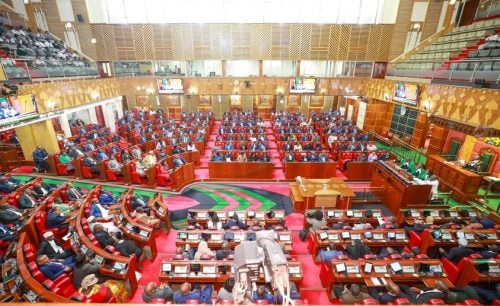
The Kiharu lawmaker did not take part in a vote that will directly shape the country’s taxation framework and government revenue collection for the 2026/27 financial year.
The Finance Bill vote came at a time when Kenyans are closely monitoring government taxation policies amid concerns over the cost of living, public debt, and economic growth. As a result, many citizens expected elected representatives to be present and take a clear position on the proposed measures.
Finance Bill vote
On Thursday, June 18, 2026, the National Assembly passed the Finance Bill 2026, paving the way for the proposed law to be sent to President William Ruto for assent.
MPs approved the bill at the third reading stage through an electronic division vote conducted in accordance with Standing Order No. 70.
In what was an intense session on Thursday evening, 122 MPs voted in favour of the bill, while 40 opposed it. No member abstained.
The vote marked the final parliamentary hurdle for the Finance Bill after lawmakers spent hours debating its provisions and considering various amendments.

The passage of the bill now clears the way for it to be forwarded to President William Ruto for assent before it becomes law.
Government-allied MPs and members of the broad-based administration provided the numbers needed to pass the bill, with support accounting for 75.3 per cent of those who voted, compared to 24.7 per cent who opposed it.
The outcome means that only 46.4 per cent of all MPs took part in the vote, while 187 members — representing 53.6 per cent of the House — were absent or did not cast a vote during one of the most closely watched parliamentary processes of the year.
Ndindi Nyoro’s response
After missing the important vote, Ndindi Nyoro released a statement explaining that he was not present during the vote due to international engagements.
“The vote for the Finance Bill happened yesterday; disappointingly, I was not in Parliament. I travelled out of the Country on Wednesday evening for engagements that could not have been postponed. No explanation should absolve the blame,” he wrote on X.
“As for the feedback we have received from all Kenyans, we take it with humility.”
Nyoro emphasised that citizen input plays a crucial role in shaping legislative accountability and economic decision-making.