Advertisement
Ndindi Nyoro pushes for Parliament recall to fast-track fuel price cuts
Saturday 16th May, 2026 03:47 PM|

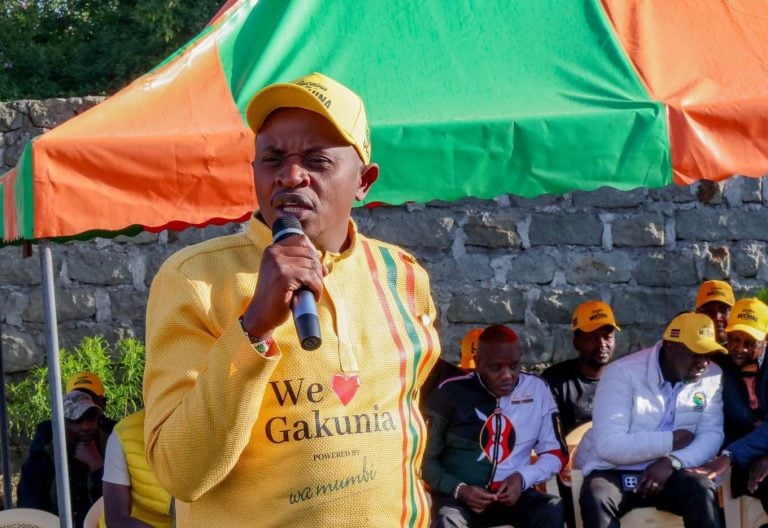
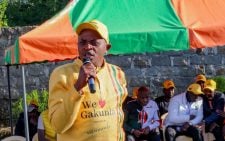
Kiharu Member of Parliament Ndindi Nyoro has written to the Speaker of the National Assembly seeking an urgent recall of Parliament from recess to debate proposed tax changes aimed at lowering fuel prices.
He made the appeal on Saturday, May 15, 2026, a day after a sharp increase in pump prices announced by the Energy and Petroleum Regulatory Authority (EPRA).
Nyoro said the recall was necessary to allow MPs to consider amendments that would directly reduce fuel costs, including VAT changes, levy reductions, and targeted subsidies.
“Following our proposal to amend various laws with the aim of reducing fuel prices, we have written to the Speaker of the National Assembly with a request to recall the House from recess at the earliest, preferably Monday to process the various proposed amendments,” he stated on his X account.
You Might Also Like
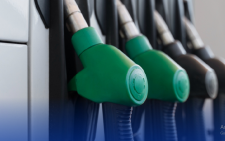
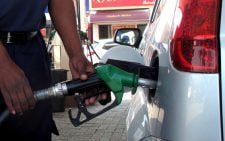
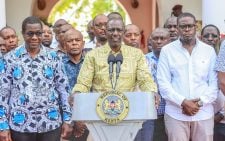
His push comes at a time when fuel prices have risen significantly in the latest EPRA review. Super Petrol increased by Ksh16.65 per litre and Diesel by Ksh46.29, while Kerosene remained unchanged. In Nairobi, Super Petrol now retails at Ksh214.25, Diesel at Ksh242.92, and Kerosene at Ksh152.78.
EPRA said the adjustment reflects higher international crude oil prices, exchange rate pressure, and statutory taxes under the current VAT framework. The regulator also noted that the government will use about Ksh5 billion from the Petroleum Development Levy Fund to cushion diesel and kerosene consumers.
Nyoro’s proposed tax cuts
In his letter and public statement, Nyoro outlined three main proposals he wants Parliament to consider urgently.
First, he wants VAT on fuel reduced from 8 per cent to zero. He argued that this would immediately lower pump prices and ease pressure on households and transport operators.
He said: “Amendment on the VAT Act to reduce VAT on fuel products from 8 per cent to zero thereby making petrol, diesel and kerosene VAT exempt. This will save Kenyans Ksh15.87 and Ksh17.99 on super petrol and diesel respectively.”
Second, he proposed a reduction of the Road Maintenance Levy Fund (RMLF) by Ksh7 per litre. He wants Parliament to revoke the current levy order to achieve this cut.
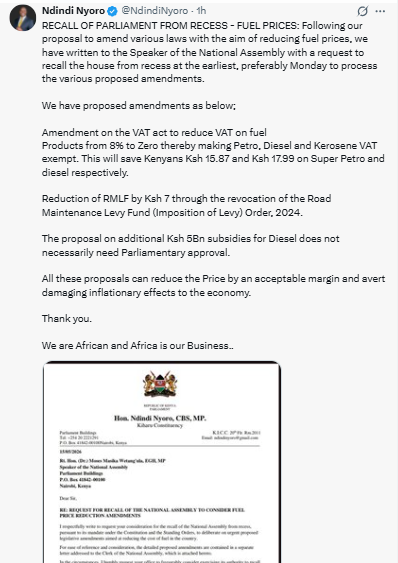
Third, Nyoro pointed to a proposed Ksh5 billion diesel subsidy, which he said could be implemented without parliamentary approval. He argued that combining the measures would soften the impact of rising global fuel prices.
“All these proposals can reduce the price by an acceptable margin and avert damaging inflationary effects to the economy,” he said.
He added that Kenya needed fast action rather than delayed policy responses, urging the Speaker to recall MPs “at the earliest, preferably Monday.”
Rising fuel costs and policy pressure
The MP’s proposal comes against the backdrop of repeated fuel price increases in recent months. In the previous pricing cycle, diesel recorded one of the sharpest rises, jumping by more than Ksh40 per litre, while petrol also posted a double-digit increase. The increases triggered higher transport fares and rising commodity prices across the country.
In April 2026, Parliament passed a VAT amendment that reduced tax on fuel from 16 per cent to 8 per cent. The change briefly lowered the price of petrol by Ksh9 and diesel by Ksh10. However, the relief lasted only a short period as global oil prices and currency pressures pushed costs up again in the following month.
That April 2026 cycle also saw Parliament fast-track tax legislation within hours, after the President assented to the VAT Amendment Bill. The move was aimed at cushioning consumers, but industry players warned that global price volatility would continue to affect retail prices regardless of local tax cuts.
EPRA has consistently maintained that local pump prices reflect global oil markets, exchange rates, and tax structures, even as government interventions attempt to soften the impact.
Fuel price movements have also triggered wider political debate. Former Deputy President Rigathi Gachagua recently accused the government of benefiting from fuel import arrangements, arguing that the system had failed to protect consumers from rising costs.
He further claimed that local actors were influencing fuel import margins, though those claims have been strongly contested by government officials.
While Nyoro has not framed his proposal in political terms, his call for Parliament to reconvene reflects growing pressure on lawmakers to respond more aggressively to fuel inflation.
Author
Kenneth Mwenda
Kenneth Mwenda is a business, sports, and politics digital writer with over seven years of experience in journalism, covering breaking news, feature stories, and in-depth analysis across a range of beats.
For inquiries, he can be reached at [email protected]
View all posts by Kenneth MwendaLatest News



Advertisement
More on Inside Politics