National Prayer Breakfast: Willis Otieno accuses govt of hypocrisy amid rising political tensions
By Aloys Michael, May 28, 2026Safina Party deputy leader Willis Otieno has criticised the government over what he termed as hypocrisy surrounding the annual National Prayer Breakfast, accusing political leaders of using religion as a public relations exercise while ignoring the country’s deepening social and economic crises.
Speaking during an interview on a local TV station on Thursday, May 28, 2026, Otieno dismissed claims that the opposition was boycotting the National Prayer Breakfast, insisting instead that they were exposing what he described as political insincerity and the misuse of religion for optics.
“We are the opposition. We are not boycotting anything. We are calling out hypocrisy for what it is,” Otieno said.
The vocal constitutional lawyer stated that the Safina Party would not participate in what he called a hypocritical gathering, arguing that leaders cannot publicly profess faith while presiding over suffering, insecurity, and economic hardship.
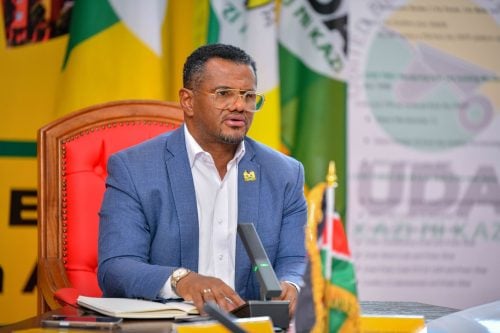
“As Safina Party, we cannot go to such a hypocritical gathering because they are actually mocking God. You cannot be a Christian for only one day or for two hours. The way you live your life after that prayer matters,” he said.
Otieno’s remarks come amid growing political rhetoric in Kenya, with opposition figures increasingly criticising the government over the rising cost of living, insecurity, youth unemployment, femicide, and alleged kidnappings.
In his critique, Otieno argued that many of the country’s current challenges are man-made and stem from failed leadership rather than unavoidable circumstances.
“Our problems are not caused by nature; these are problems caused by man. God has already done His part by giving us human ability and leadership opportunities. Leaders must govern according to what God intended humanity to be,” he stated.
The Safina Party official particularly linked social problems such as violence against women and rising crime to worsening economic conditions.
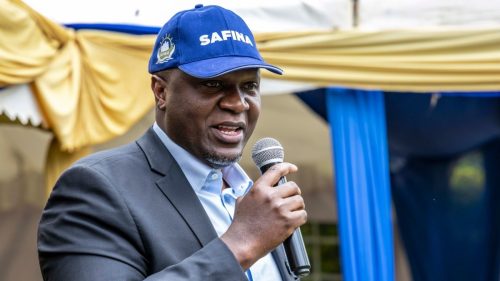
According to him, economic pressure and joblessness are pushing vulnerable youth into criminal activity and contributing to instability in informal settlements.
“When somebody fails to secure an earning for the day and goes home frustrated, sometimes that pressure turns into violence. Young men sitting idle because they have nothing to do become a danger to weaker members of society,” Otieno argued.
Otieno further questioned the sincerity of leaders attending national prayer events while ordinary Kenyans continue to struggle with poverty and insecurity.
“I don’t engage with people who are hypocrites. I believe in the true calling of humanity, to serve fellow humanity in the glory of God, not to pretend to be serving humanity.”
The National Prayer Breakfast has historically brought together political leaders, clergy, diplomats, and business executives for interfaith reflection and national unity.
However, critics have often questioned whether the symbolic event translates into meaningful action on governance and accountability.