Advertisement
Malala breaks silence after Panyako’s defection to the UDA
Monday 20th July, 2026 08:11 AM|

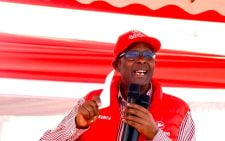
Democracy for the Citizens Party (DCP) deputy party leader Cleophas Malala has taken a swipe at Kenya National Union of Nurses (KNUN) Secretary-General Seth Panyako following his recent defection from the Democratic Action Party of Kenya (DAP-K) to the ruling United Democratic Alliance (UDA).
Speaking during an interview with Kakamega residents on his Bonga na Cleo podcast on Sunday, July 19, 2026, the outspoken former deputy Senate majority leader mocked Panyako’s decision to join UDA, saying there is now little difference between the KNUN boss and voters who were induced with bread and soda to support the ruling party’s candidate during the 2025 Malava parliamentary by-election.

“Nimeona huyu Panyako saa hii ati amejiunga na UDA, sasa kuna tafauti gani kati yake na wale walipewa mkate na soda wamuangushe kura,” Malala said.
Malala, while laughing at Panyako’s political move, claimed that by joining UDA, the former Malava parliamentary candidate had effectively aligned himself with the same political camp he had previously accused of influencing voters through handouts.
You Might Also Like
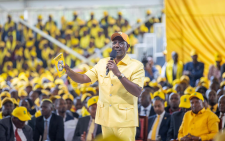
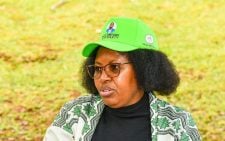
His remarks come against the backdrop of the 2025 Malava by-election, where videos circulated widely on social media allegedly showing bread and soda being distributed to some residents. Opposition leaders claimed the items were meant to influence voters in favour of UDA candidate David Ndakwa, allegations that became a major talking point during the campaign.
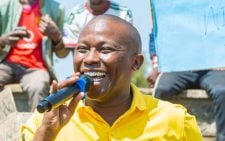
Panyako, who contested the seat on a DAP-K ticket, lost to Ndakwa by a narrow margin in the closely contested by-election.
Panyako ditches DAP-K
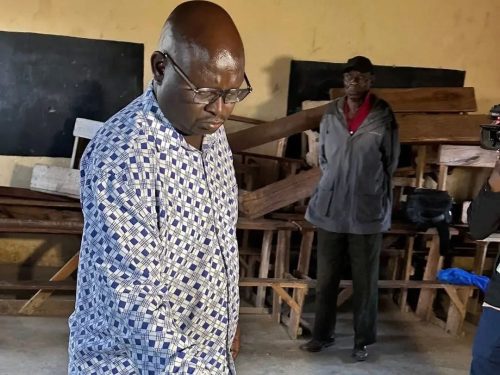
Malala’s criticism comes just days after Panyako defected to UDA, announcing that he will once again contest the Malava parliamentary seat in the 2027 General Election, this time on the ruling party’s ticket.
Panyako also dismissed speculation that he is eyeing the Kakamega Senate seat, insisting that his political focus remains firmly on the Malava parliamentary race.
“I will be vying for Member of Parliament, Malava Constituency, on the UDA Party ticket in the 2027 General Election. Wale wanasema mambo ya senator hyo ni Propaganda,” he stated.
His return to UDA comes barely a year after he contested the 2025 Malava by-election on a DAP-K ticket following his fallout with the ruling party.
Panyako had previously served as UDA’s vice chairperson in the run-up to the 2022 general election but later resigned, accusing the party and the Kenya Kwanza administration of failing to fulfil the promises made to residents of the Western region.
Following his departure from UDA, he joined Eugene Wamalwa’s DAP-K party and unsuccessfully contested the Malava parliamentary by-election. He lost the race to UDA candidate David Ndakwa.
Since his parliamentary defeat, he has been heavily critical of the government, claiming that there have been attempts to lure him back by offering him a principal secretary position. He claimed that the government wanted him to take over the higher education principal secretary slot currently held by Beatrice Inyangala.
Ruling on Panyako’s case
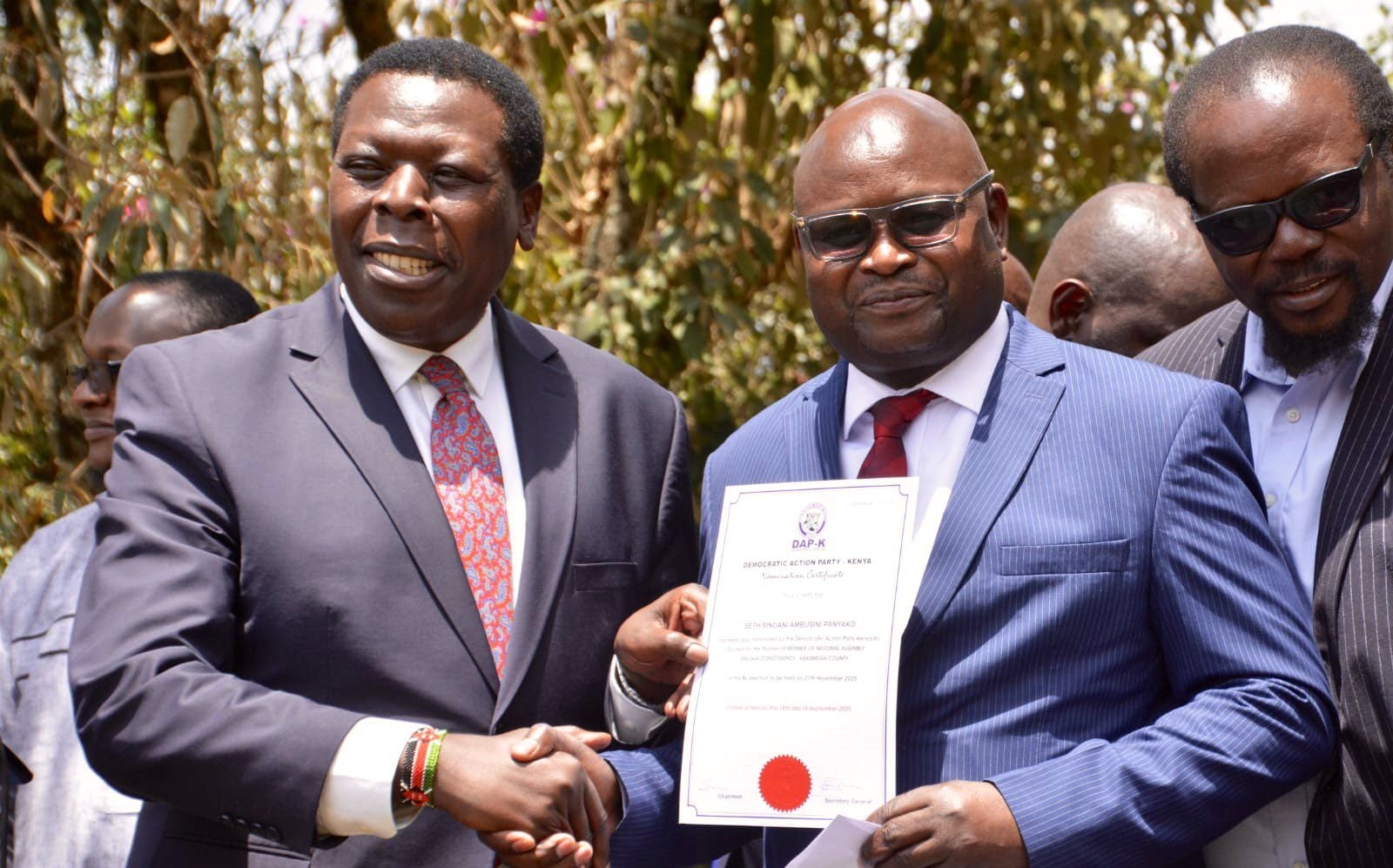
His announcement comes just days after the Kakamega High Court dismissed his petition challenging the victory of United Democratic Alliance (UDA) candidate David Ndakwa. The court ruled that the grounds presented by Panyako were insufficient to overturn Ndakwa’s narrow victory in the 2025 by-election.
Panyako had initially indicated that he would not pursue any legal action following the election, despite claiming that the poll was marred by numerous irregularities that favoured the incumbent MP.
Panyako’s reaction to court verdict
However, after filing the petition—a move he says was influenced by the party leader—and subsequently losing the case, he publicly expressed his dissatisfaction with the court’s decision, citing his earlier reservations about taking the legal route.
The KNUN boss criticised the ruling, saying it had vindicated his initial reluctance to challenge the election results in court.
He maintained that, regardless of the outcome of future elections, he would never again seek the intervention of the judiciary in an electoral dispute. According to him, winning an election petition in Kenya is an extremely difficult undertaking.
Author
Latest News




Advertisement
More on Inside Politics