Advertisement
Machakos deputy governor: Devolution is working, national govt must do more
Thursday 07th August, 2025 09:03 AM|

Machakos Deputy Governor Francis Mwangangi has praised Kenya’s devolution model for delivering on its main promises, despite facing many hurdles. He also criticised the national government for not doing enough to protect and support development at the county level.
Speaking during a political talk show on Thursday, August 7, 2025, Mwangangi noted that while many critics focus on the shortcomings of devolved units, the system itself has largely fulfilled its constitutional mandate.
“Despite the challenges, Devolution has done a lot. The major aim of Devolution in Kenya was to bring closer not only leadership to the people but also decision making, resources and proper utilisation of those resources to benefit the public,” he said
Mwangangi emphasised that the benefits of devolution cannot be dismissed, citing years of observation and research across counties.
You Might Also Like


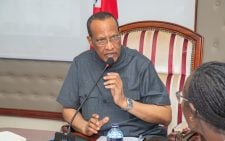
“I don’t know any county, despite my 6-year research, that is developing without proper decentralisation,” he added.
His remarks come at a time when concerns over mismanagement of county funds, capacity gaps in local leadership, and strained intergovernmental relations have reignited debate over the sustainability of Kenya’s devolved system.
However, the Machakos Deputy Governor pushed back against the common belief that corruption and embezzlement are problems found only in county governments.
“In Kenya, we have a problem with the kind of leadership and decision-making, especially in the national government, When the national government fails in one aspect, especially on anything that touches devolution, you will hear accusations like there is embezzlement of resources and corruption but you ask yourself one question: whose mandate is it to stop and follow up and recover the money to do what was intended to?” he asked
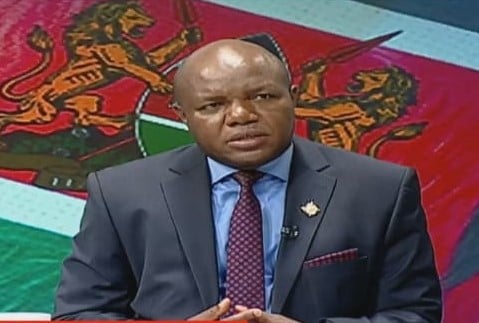
According to Mwangangi, the disconnect between national oversight and local implementation is undermining the very essence of devolution.
His remarks reflect growing frustration among county leaders, who argue that the national government is quick to assign blame but slow to implement the structural reforms needed to improve fiscal accountability and build public trust in devolution
“Going forward, we not only need to see success but also identify what can hinder devolution in Kenya,” he said.
As Kenya marks more than a decade since the 2010 Constitution ushered in devolved governance, stakeholders are increasingly pushing for a second generation of devolution reforms, ones that go beyond funding to include legislative protections, oversight reforms, and political goodwill.
Mwangangi’s candid remarks also shed light on the underlying power dynamics between the two levels of government, pointing to the need for clarity in mandates and increased citizen participation to hold all arms of government accountable.
“Devolution has been delivered despite the challenges,” he concluded.
Author
Latest News







Advertisement
More on Inside Politics