Advertisement
Kivutha Kibwana declares June 25 the new Saba Saba
Monday 07th July, 2025 11:01 AM|
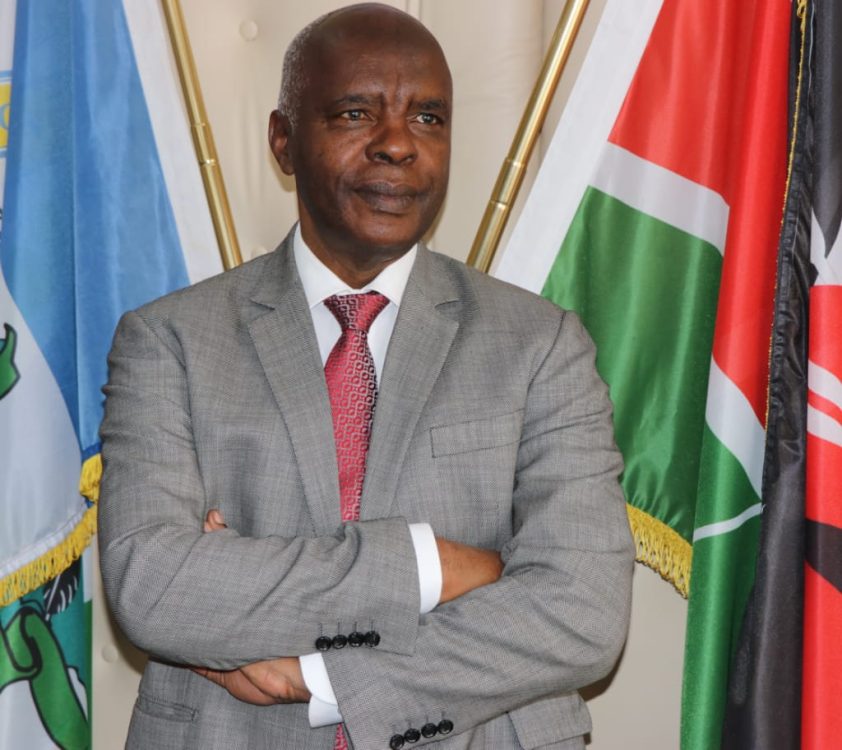
At a thought-provoking interview on a local TV station, former Makueni Governor and seasoned constitutionalist Kivutha Kibwana made an impassioned call for Kenyans to elevate June 25 to the status of the new Saba Saba, invoking the spirit of July 7, 1990, which historically symbolised the fight against authoritarianism.
In his arguments on Monday, July 7, 2025, Kibwana echoed that the day creates both history and hope for Kenya.
“Celebrate June twenty-fifth, it is the new Saba Saba. And so actually, even this particular Saba Saba celebration, it is just a continuation of June twenty-fifth, because that’s what has become the new Saba Saba, it has begun becoming what going forward will always be celebrated,” he proclaimed.
He framed June 25 as a recurring occasion for civic vigilance, a continuation rather than a repetition. According to Kibwana, this date must be a yearly reminder to keep the government on its toes,” preventing any slide back to a draconian system or a failed state.
You Might Also Like


“It will help keep the government on its toes to avoid backsliding to a draconian system or a failed state,” he said.
This, he underlined, is not symbolic nostalgia; it’s a practical blueprint for activism and accountability rooted in Kenya’s democratic legacy.

Anchoring democracy in vigilance
Drawing explicit parallels to the original Saba Saba rallies of 1990, Kibwana argued that June 25 is now the locus of citizen mobilisation, where people rally not just against oppression, but rally for democracy itself.
“This pitch for, you know, Kenya, not a banana republic, not a failed state … where people… at the centre of it, taking the country forward,” he argued.
The unassuming date, he insisted, has taken on historical weight, transforming into a platform for citizens to sustain democratic pressure:
“June 25 is the new Saba Saba. It has begun becoming what going forward will always be celebrated…”
In his view, the continuity of this date is what transforms it into a powerful instrument of democratic resilience.
He emphasised that a nation’s democratic health hinges not only on elections or courts, but on continuous civic engagement, especially through such commemorative dates.
“What distinguishes today’s message is its strategic framing. Traditional commemorations like Saba Saba are often viewed as singular events. Kibwana, however, envisions a movement anchored on June 25 sustained and magnified each year,” he said.
By doing so, he reframes protest from a series of days to a sustained presence—every June 25—challenging both complacency and authoritarian drift.
Kibwana’s vision
A recurrent theme in the July 7, 2025, interview was Kibwana’s insistence on centring people in state development. Kenya, he said, must resist slipping into “banana republic” dynamics, unstable political ecosystems marred by weak institutions and personal rule.
June 25, he urged, should be the annual inflexion point: a date for Kenyans to collectively say, “Nomore.”
“Not a banana republic, not a failed state … where people, you know, at the centre of it, taking the country forward.”
It was both a critique of present vulnerabilities and a rallying cry for collective ownership, echoing his long-standing advocacy for values-driven politics and public stewardship.
Kibwana proposed a proactive agenda for June 25: Peaceful gatherings to assess governance performance, forums and discussions on constitutional rights and duties, integrating younger generations into oversight roles, and partnering with journalists to amplify accountability.
These, he indicated, would not require new laws but a renewed civic will, harnessed annually, to keep the checks and balances alive.
Author
Latest News








Advertisement
More on Inside Politics