Advertisement
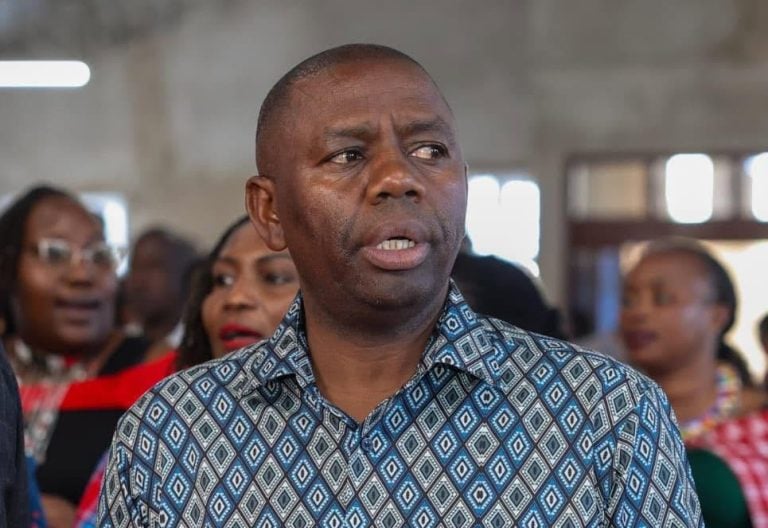
Kibagendi: Ruto has lost support, now relies on state violence
Monday 27th July, 2026 09:08 AM|

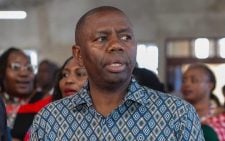
Member of Parliament (MP) for Kitutu Chache South Constituency Anthony Kibagendi has accused President William Ruto of losing the key political pillars that propelled him to power, arguing that the President’s support base has significantly weakened since taking office.
Speaking during a local television interview on Monday, July 27, 2026, Kibagendi said Kenya has entered a new political era where younger generations are moving away from traditional ethnic mobilisation and are instead focusing on broader issues such as regional interests, demographics, professional representation, and generational change.
“We are in a different political dispensation where things are not done traditionally as he thinks. He thinks like William Ruto. William Ruto still thinks of tribes. We are thinking differently as a generation. While we think about regions, we also think about various demographics, generations, and professionals,” Kibagendi said.
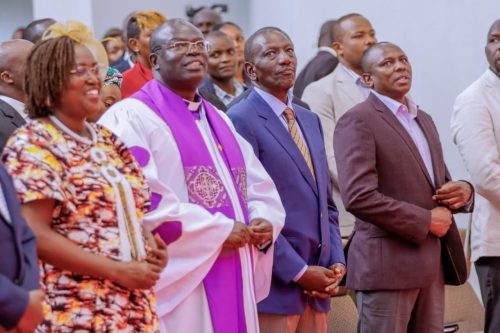
The lawmaker has stated that the coalition of forces that helped deliver President Ruto’s victory in the 2022 elections has since collapsed. He identified the church, major ethnic voting blocs, the hustler movement, professionals, and international goodwill as the foundations that supported Ruto’s rise.
You Might Also Like


According to Kibagendi, the president has lost the confidence of these groups.
“William Ruto has lost everything he started with. The pillars that put William Ruto in power, number one, are issues to do with the church, the major ethnic bases, hustlers, professionals, and the goodwill of the international community. He has lost all that,” he said.
The remarks come amid growing political debate over the state of public trust, governance, and government accountability. Kibagendi argued that instead of relying on broad public support, the administration has increasingly turned to the use of state power.
“Now what does he have as pillars? He has state violence. We saw it in Olkalau and various other places,” he said.
Kibagendi’s comments highlight the widening political contest over President Ruto’s leadership style and the future direction of Kenya’s politics. He maintained that a new generation of voters is demanding a different approach, one that goes beyond traditional tribal alliances and places greater emphasis on inclusivity, competence, and accountability.
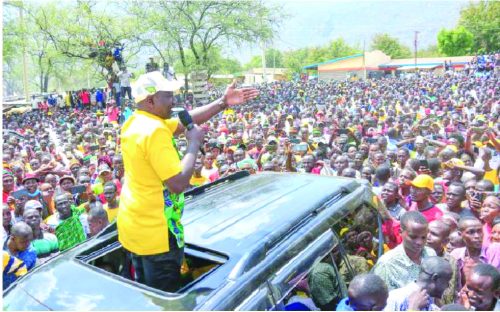
With political realignments already taking shape ahead of the 2027 general elections, the debate over whether Kenya’s electorate is moving beyond traditional voting patterns is expected to remain a central issue.
Author
Latest News




Advertisement
More on Inside Politics