Inside Ruto-opposition scramble for Western votes
By Aloys Michael, February 16, 2026The battle for Western Kenya’s vote has quietly become one of the most decisive fronts in the 2027 presidential race, pitting President William Ruto against an emboldened opposition determined to reclaim a region long seen as politically fluid.
While Ruto’s allies are working to consolidate gains made in 2022 and the broad-based pact, opposition figures are banking on a mix of local heavyweights and renewed grassroots mobilisation to tilt the scales.
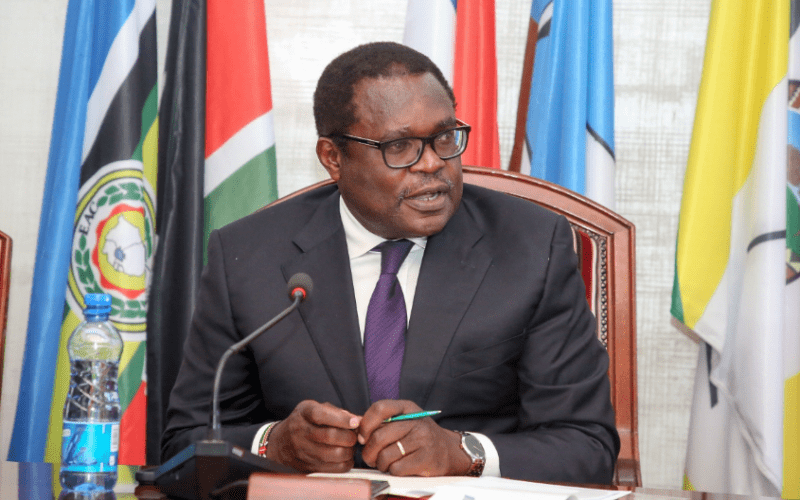
Key to Ruto’s strategy is an aggressive push to lock in what his camp projects as 2.6 million votes from Western Kenya, with an additional 300,000 from Luhya voters living outside the region. Kakamega Deputy Governor Ayub Savula, now a key mobiliser for the President’s re-election bid, has been leading diaspora outreach forums in Nairobi, Kajiado, Nakuru and Mombasa.

“If we consolidate our 2.6 million votes from Western Kenya and add another 300,000 from the diaspora, our community will command respect in this country. We will get what we want because we will have shown allegiance to the government of the day,” Savula said during a recent meeting in Kajiado County.
Savula argues that political influence is directly tied to numbers at the ballot, warning that diminished support for Ruto would weaken the community’s bargaining power.
“If we give Ruto fewer votes, our influence shrinks. Currently, there is no presidential candidate who can outsmart President Ruto. He is the only game in town,” he said.
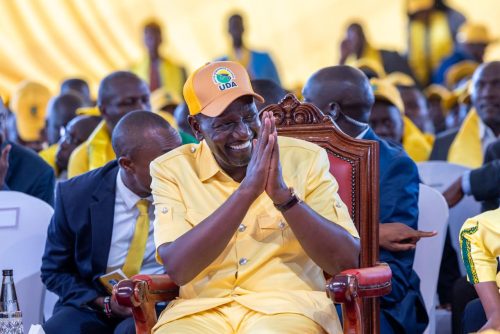
Ruto’s offensive
The President’s allies have formed a Western Kenya caucus to coordinate the 2027 campaign, bringing together governors, MPs and ward representatives.
The effort is anchored on the so-called broad-based political arrangement that followed the late opposition leader Raila Odinga’s decision to cooperate with the government before his death, a move that triggered fresh realignments in the region.
“The Luhya community loved Raila. We stood with him through every election he contested. But he left us in government, and I will not betray him by going against the direction he showed before his demise,” Savula said.
Yet despite a win in Malava in the November 27 by-election, Ruto’s grip on Western remains slippery. Opposition leaders have intensified tours across Busia, Kakamega, Bungoma and Trans Nzoia, urging voters to reject what they describe as economic mismanagement, repression and unfulfilled promises.
Opposition grips turf
Former UDA ally and now DCP Deputy Party Leader Cleophas Malala has emerged as a fierce critic. Having campaigned for Ruto in 2022, Malala now claims he was sidelined after delivering key votes in Kakamega.
“Ruto pushed me out of government. He is smooth-talking but ruthless. Even road projects he commissioned as Deputy President remain incomplete. He must be rejected at the ballot,” Malala declared while announcing his 2027 bid for Kakamega governor.
Democratic Action Party–Kenya leader Eugene Wamalwa has also aimed at the administration, linking it to alleged state violence during protests.
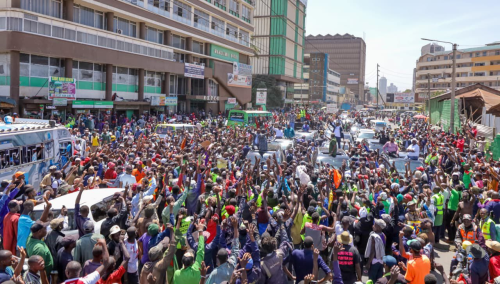
“Seventy-five youth were killed in 2023, 61 in 2024, and 18 in the most recent demonstrations. This bloodshed must stop. The solution is to remove Ruto in 2027,” Wamalwa said at a rally.
The opposition is further leaning on Trans Nzoia Governor George Natembeya, whose populist style and strong local networks have positioned him as a regional mobiliser.
Alongside Saboti MP Caleb Amisi, embattled ODM Secretary General Edwin Sifuna and ODM Deputy Party Leader Godfrey Osotsi, the team has rolled out Linda Mwananchi tours aimed at energising grassroots dissent.
“We will not fear anything. We will continue to speak the truth so that we protect the citizens from the corruption in this country and the abductions we have witnessed. Raila told us a leader does not lead himself, and we will honour that,” Sifuna said during a church service in Kitengela on Sunday, February 15, 2026.
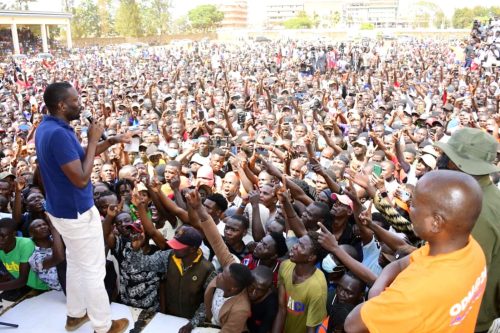
Western Kenya must vote as a bloc to reclaim its leverage nationally and push Ruto out of State House. In traditional ODM strongholds such as Butula, leaders have urged residents to reconsider their loyalty, arguing that consistent support for past coalitions has not translated into meaningful development.
The political history makes it a battleground rather than a guaranteed base for any side. The Luhya vote has often fragmented along sub-ethnic and party lines, making unity appeals easier said than achieved.
For Ruto, the challenge is to convert the broad-based arrangement into firm electoral numbers while neutralising influential defectors like Malala. For the opposition, the task is to transform protest rhetoric into a cohesive presidential alternative capable of consolidating Western’s diverse interests.
With nearly 15 months to the polls, both camps understand that Western Kenya’s millions of votes could once again prove decisive, not just for regional influence, but for the country’s next presidency.