Advertisement
Inside opposition’s push for open fuel tendering system
Sunday 24th May, 2026 12:13 AM|

Opposition leaders have intensified pressure on President William Ruto over the government-to-government (G-to-G) fuel importation arrangement, arguing that the system has contributed to rising fuel costs and deepening economic hardship for Kenyans.
The push for a return to the open tendering system comes amid growing jitters over fuel pricing in the country, with fears that higher pump prices could trigger another wave of inflation despite government assurances that there are adequate fuel supplies.
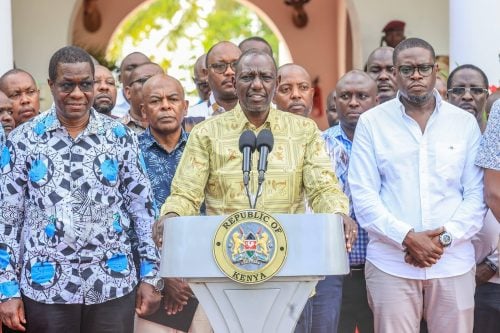
Speaking shortly after a meeting between President Ruto and stakeholders from the matatu sector at State House in Mombasa on Friday, 21, 2026, opposition leaders accused the government of failing to address the rising cost of living and instead maintaining policies they claim are worsening the situation.
During the address, President Ruto defended the G-to-G fuel import framework, saying it had helped guarantee stable fuel supplies and shielded the Kenyan shilling from further pressure during global supply disruptions.
You Might Also Like



“Through the government-to-government fuel supply framework, we have secured guaranteed fuel supplies despite global supply chain disruptions, ensuring uninterrupted availability across the country. The arrangement has stabilised fuel pricing compared to the old spot market system, where prices fluctuated sharply every month,” said President Ruto.
Lies or reality?
The Head of State also pointed to government fuel stabilisation efforts, noting that the State had spent Ksh28.19 billion across the April–May and May–June 2026 pricing cycles to cushion consumers from sharp price increases.
However, opposition leaders dismissed the explanation, insisting that the G-to-G arrangement lacks transparency and should be replaced with the open tendering system, which they argue would promote competition and lower fuel prices.
Kalonzo Musyoka claimed the current fuel importation framework had opened the door to corruption and inefficiency.
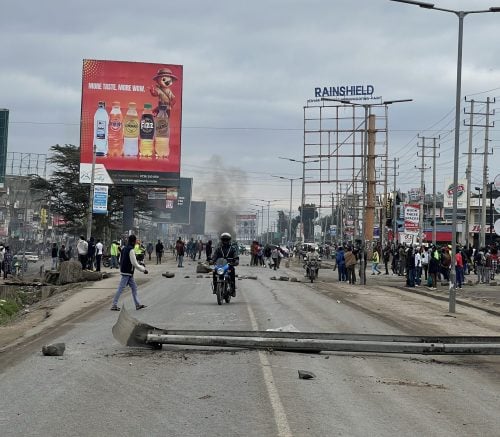
“The leaders of the matatu associations are compromised, and wananchi are on their own. We have a very uncaring president who does not care about the welfare of his people. Kenyans should brace themselves for a higher cost of living because it is now set to skyrocket,” Kalonzo said
The Wiper leader argued that the anticipated Ksh10 reduction in fuel prices would not be enough to ease pressure on households and businesses already struggling with the high cost of living.
“Our demand is that the fuel importation system be reverted to the open tendering system and the price of diesel be reduced by a minimum of Ksh50. Anything short of that is wrong. Kenyans should, however, not lose hope because in another 14 months we shall have kicked out the current administration and restore order in this country,” he added.

Kalonzo further claimed that concerns over the G-to-G arrangement had previously been raised during the National Dialogue Committee (NADCO) talks at Bomas, where members of the Azimio coalition reportedly opposed the framework.
“During the Bomas talks, the current Energy and Petroleum CS Opiyo Wandayi was on my side and was against the G-to-G arrangement, but he is the one championing it now,” the Wiper leader said.
The renewed political battle over fuel pricing now threatens to pile more pressure on the government as Kenyans grapple with rising transport and commodity costs, amid warnings that any sustained increase in fuel prices could further accelerate inflation across key sectors of the economy.
Author
Latest News





Advertisement
More on Inside Politics