Advertisement
Inside a phone call that forced Senator Eddy Oketch to drop Sifuna ouster petition
Wednesday 07th January, 2026 10:28 AM|

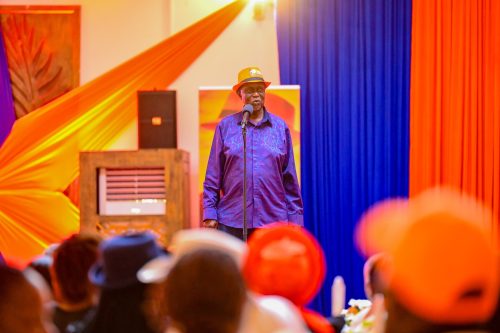
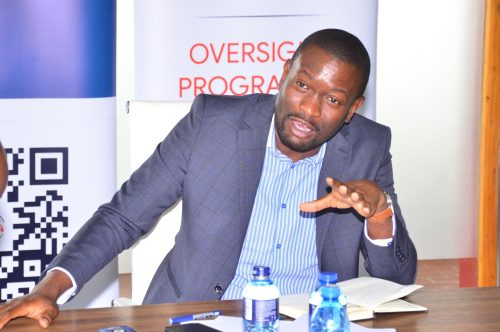
Migori Senator Eddy Oketch has revealed a phone conversation with Orange Democratic Movement (ODM) Party leader Oburu Oginga that led him to drop the ouster petition against the faction’s Secretary General Edwin Sifuna.
Speaking during an interview on a local TV station on Wednesday, January 7, 2026, Oketch said he was urged to use alternative means to settle the conflict, including holding a parley at the party’s top organ.
“Senator Oburu Oginga called me and guided me to follow a channel that is invoked under Article 16 of the Constitution. This channel actually includes even the NEC conversation. A larger conversation because it seems the SG has always in conversation with a smaller group of people, which we call the central committee,” he explained.
“Even though it has been charged with dealing with ODM affairs and issues on a day-to-day basis, it is a relatively small committee relative to the NEC (National Executive Committee).
You Might Also Like



Oketch has, however, defended his move to file a petition, saying it had nothing personal. He has since appealed for the faction’s top organ meeting to deliberate on the issues, arguing that the convene is in a better position to address it judiciously.
“If the party leader ceases his foot, which I think will be a national cause of the event, it would be perhaps to convene the NEC because it makes some decisions by finality. The way I see the matter and how the party leader sees it. Whatever I raised was not a personal issue; it is a party position with Sifuna. There is a way the SG of a party must speak.” He stated.
The petition
Eddy Oketch accused Sifuna of gross misconduct, indiscipline, and sabotaging the party.
The petition was copied to the party secretariat, claiming that Sifuna has repeatedly violated the party constitution and the Political Parties Act.
Oketch further accused Sifuna of “blatant and arrogant violation” of party rules by closely associating with rival political parties while presenting himself as ODM’s Secretary General and spokesperson.
According to Oketch, such conduct amounts to promoting the ideology and interests of another party, an action that “shall be deemed to have resigned” under the Political Parties Act.
He further accused Sifuna of openly defying ODM’s decision to work within the broad-based government, despite the existence of a written agreement endorsed by the party.
On Tuesday, January 6, 2026, Oketch, through his advocates, announced that he had stepped back from a controversial motion seeking to de-whip and expel Sifuna, opting instead for alternative dispute resolution mechanisms.
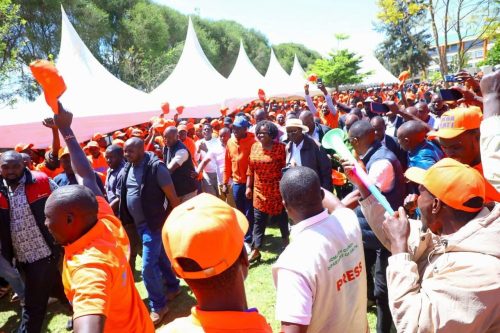
The advocates cited the legacy of the party’s founding leader, the late Raila Odinga, as instrumental in the change of approach.
“Following wide consultations with the Party Leader, Senator Dr Oburu Oginga and with utmost respect to the spirit of the founding Party Leader the late Raila Amollo Odinga, who embraced dialogue even with his fiercest enemies as the most preferred method of dispute resolution, we have received further instructions from our client,” the letter stated.
Instead of pursuing expulsion, the party will now invoke Article 16(1)(g) of the ODM Constitution, which empowers the party leader to facilitate amicable dispute resolution through Alternative Dispute Resolution mechanisms.
“The Party Leader is therefore implored upon to exercise the said powers in order to protect both the Party and its members who have been victims of the wanton attacks which formed the subject of the complaint,” stated the letter.
Author
Latest News






Advertisement
More on Inside Politics