Advertisement
Gachagua renews attack on Northern Kenya leaders after meeting ex-NGO boss Fazul Mahamed
Wednesday 21st January, 2026 11:55 PM|

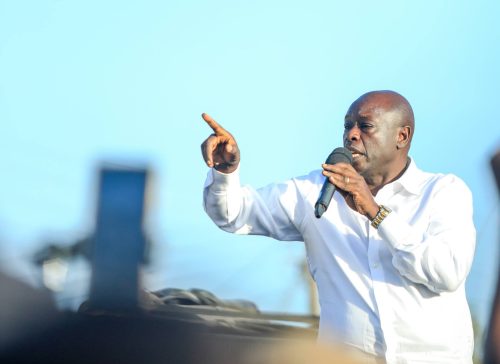
Democracy for the Citizens Party (DCP) leader Rigathi Gachagua has once again taken aim at political leadership in Northern Kenya, blaming entrenched poverty and underdevelopment in the region on poor accountability rather than lack of resources.
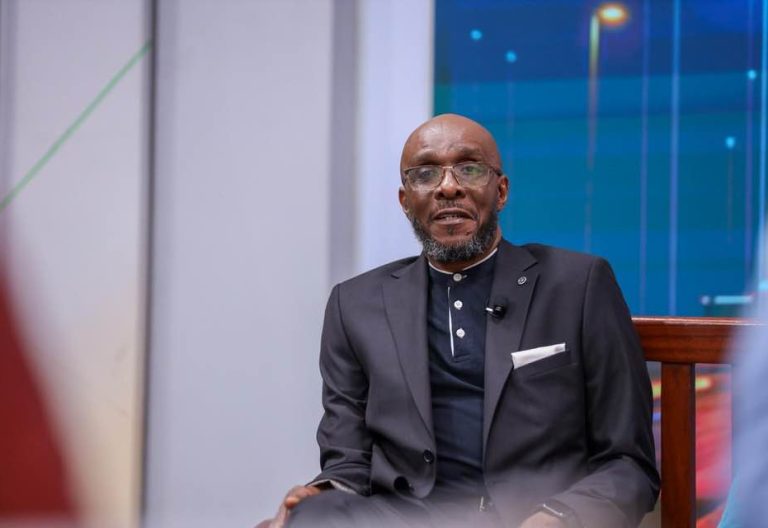
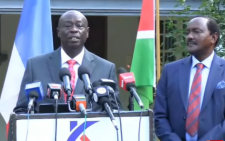
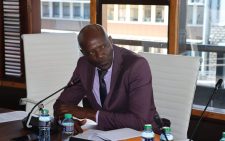
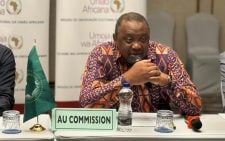
Taking to his official social media accounts on Wednesday, January 21, 2026, after a meeting with former NGOs board boss Fazul Mahamed at his Nairobi office, Gachagua described Northern Kenya as “the ailing silent patient of our Republic,” arguing that decades of heavy public and donor investment have failed to translate into meaningful development for local communities.

The former deputy president said the counties of Mandera, Garissa, Wajir, Marsabit, and Isiolo have received more than one trillion shillings since the introduction of devolution in 2013 through national government transfers, NG-CDF allocations, the Equalisation Fund, and Kenya Roads Board disbursements.
“Today, I held constructive and candid discussions with @fazmahal at his office in Nairobi in the company of @DCP_Democracy Deputy Party Leader @Cleophasmalala. Those conversations reinforced a painful truth we must no longer remain silent about: Northern Kenya is the ailing silent patient of our Republic,” Gachagua stated.
“The region has been ravaged by underdevelopment, drought, suffering, and entrenched poverty. This tragedy cannot be explained by a lack of resources. Since devolution began in 2013, the counties of Mandera, Garissa, Wajir, Marsabit, and Isiolo have received over one trillion shillings in taxpayer money, through national transfers of the equitable share, NG-CDF, equalisation fund, and disbursements from the Kenya Roads Board.”
Massive inflows of money
You Might Also Like

Beyond domestic funding, he claimed that the region has also benefited from massive inflows of money from multilateral lenders, bilateral donors, United Nations agencies, and international non-governmental organisations.
He further argued that the persistent challenges facing Northern Kenya, including drought, poor infrastructure, and entrenched poverty, cannot be blamed on the people but on leadership failures.
“Beyond domestic financing, trillions more have flowed into the region through multilateral development finance institutions, bilateral development partners, United Nations agencies, international NGOs, and other international development partners. Yet, despite this massive inflow of resources, there is no tangible progress to show on the ground. This is not a failure of the people. It is a failure of leadership and accountability,” he stated.
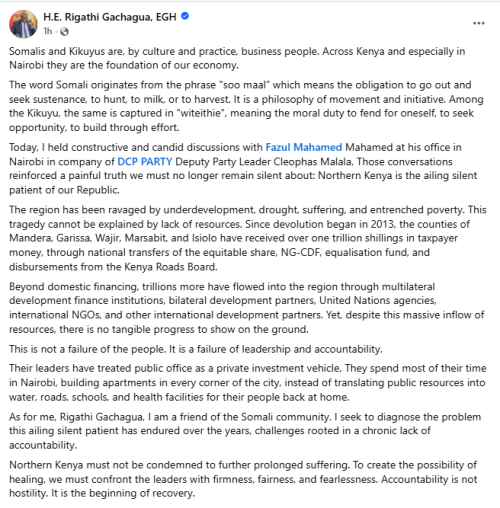
Gachagua also accused some leaders from the region of treating public office as a personal investment opportunity, alleging that many spend most of their time in Nairobi developing private real estate interests instead of focusing on delivering water, roads, schools, and health facilities to their constituents.
Gachagua attacks northern Kenya leaders
This comes days after Gachagua, during a press conference on Friday, January 9, 2026, questioned the Northern Kenya leaders’ investment in public institutions despite what he described as “massive resources” allocated to their counties under devolution.

Gachagua said leaders from the region should not lecture others about affirmative action, adding that 13 years after devolution began, the argument that some counties should continue receiving preferential treatment in the placement of students to national schools may no longer be justified.
“Devolution has been in place since 2013, and leaders from those regions have not developed institutions at the same pace, yet they want their children to benefit from facilities established by other counties,” he said.
“They have the opportunity to develop institutions of the highest standards possible in Kenya, not just for the children of those areas, but for the children of Kenya,” he said, adding that comparable counties in the Western, Rift Valley, and Mt Kenya regions had used smaller amounts to establish “beautiful institutions”.
Author
Mustafa Juma
View all posts by Mustafa JumaLatest News


Advertisement
More on Inside Politics