Advertisement
Boni Khalwale opposes e-Citizen school fees plan, warns of growing inequality
Sunday 10th May, 2026 08:21 AM|

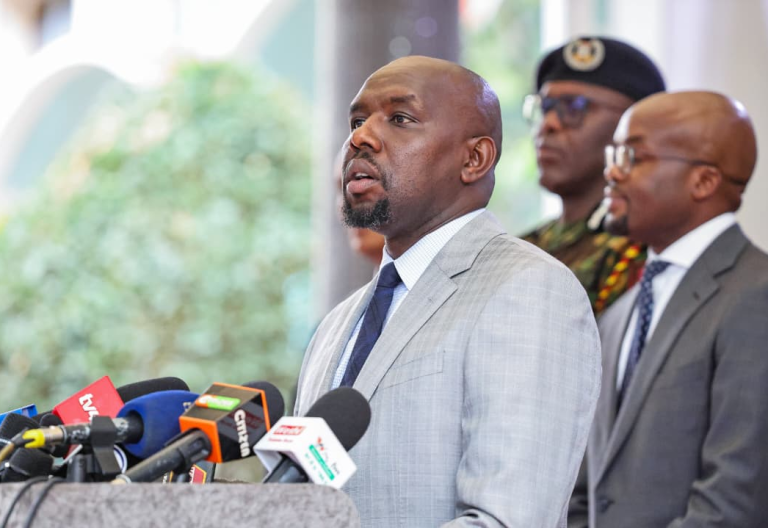
Kakamega Senator Boni Khalwale has criticised the government’s directive requiring parents to pay school fees through the e-Citizen platform, warning that the move could disadvantage poor families who rely on barter trade to educate their children.
Speaking during a public gathering on Saturday, May 9, 2026, Khalwale urged President William Ruto to reconsider the policy, arguing that it fails to reflect the economic realities facing many rural households.
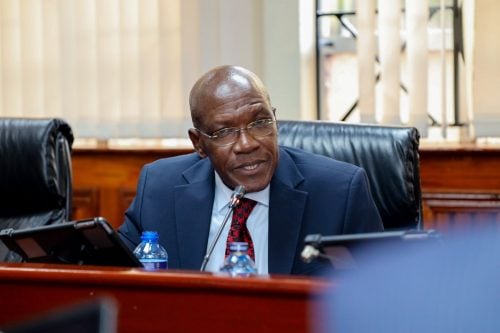
“Mr President, the reason you won the election is that the ‘hustlers’ voted for you. Now, you announced yesterday that the payment of school fees, parents will no longer be allowed to take money to school or money to the bank, that they should pay through this thing of the white man called e-Citizen,” Khalwale stated.
Parents negotiate with the school’s administration
Khalwale said many parents in villages do not always have cash or access to banking services, and instead negotiate with schools using farm produce or other goods in exchange for their children’s education.
You Might Also Like


“Sisi tunavyoelimishwa hapa, walimu wakuu watakuambia kuwa kuna wazazi wenye uwezo wa kulipa karo kwa pesa taslimu au kupitia benki, lakini pia wapo wasiokuwa na fedha kabisa. Wengine hulazimika kwenda shuleni na kuwaomba walimu wapokee kuni, maharagwe au mazao mengine kama karo ili watoto wao waendelee na masomo,” Khalwale stated.
questioned how such arrangements would fit into a fully digital payment system like e-Citizen, saying the policy risks excluding vulnerable learners from education.
Ruto on eCitizen payment
President William Ruto rebuked school administrators who have moved to court to challenge the government’s directive for school fees to be paid through the eCitizen platform.
Speaking during a national education conference in Naivasha on Thursday, May 7, 2026, the president expressed frustration with headteachers who prefer manual bookkeeping, questioning why they want to continue writing receipts on pieces of exercise books when parents should be able to pay from the comfort of their homes.
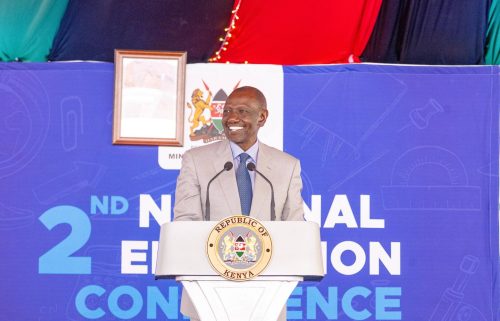
“We have some head teachers who have taken us to court because they do not want parents to pay school fees on eCitizen, they want to continue writing receipts on pieces of exercise books. Why do you want to continue writing receipts on pieces of paper where nobody traces? Today, parents should be able to pay from the comfort of their homes on ecitizen,” Ruto noted.
Ruto characterised the shift to digital payments as a strategic decision aimed at ending the era of cash transactions within the government, noting that cash is very sticky and lacks the necessary traceability for public funds.
Author
Emmanuel Rono
Rono is a dynamic digital journalist with a proven track record in newsroom leadership and content creation. Currently a Digital Writer for People Daily Digital, Emmanuel’s career is rooted in a lifelong passion for storytelling.
View all posts by Emmanuel RonoLatest News







Advertisement
More on Inside Politics