Advertisement
Why Kenya now faces Ksh475.6B trade deficit with China
Sunday 11th January, 2026 08:41 AM|
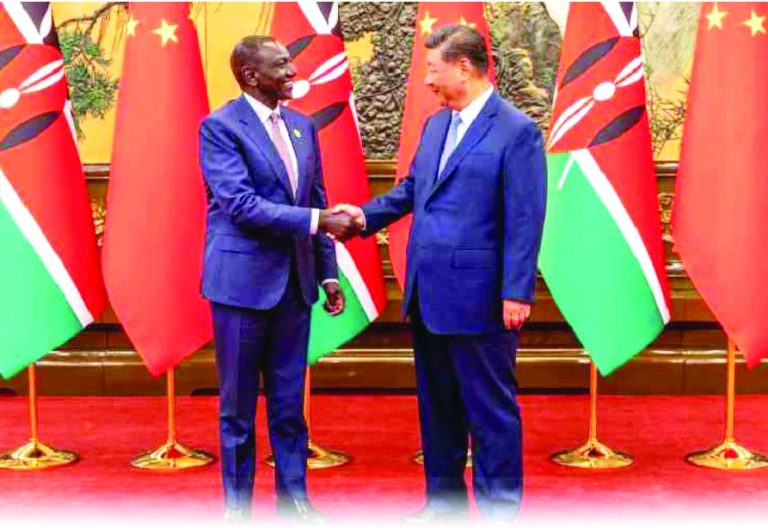
Kenya’s trade ties with China are growing deeper, but the balance is tilting sharply against Nairobi.
New data shows the country is buying far more from China than it sells there, pushing the trade gap to worrying levels.
According to the report by the Kenya National Bureau of Statistics (KNBS), Kenya’s trade deficit with China hit Ksh475.6 billion in the first nine months of 2025. This was a 16.7 per cent increase from Ksh407.7 billion recorded over the same period in 2024.
In simple terms, Kenya spent much more money importing Chinese goods while earning far less from exports.
You Might Also Like

The main driver of this gap is rising imports. Kenya’s purchases from China grew by 14.5 per cent to Ksh489 billion, up from Ksh427 billion a year earlier.
These imports include machinery, steel, electronics, construction materials, and equipment used in transport, energy, and manufacturing. As Kenya builds roads, houses, factories, and power projects, demand for Chinese-made inputs remains strong.
Exports tell a very different story. Kenya’s sales to China fell sharply by 30.8 per cent, dropping to Ksh13.4 billion from Ksh19.3 billion the previous year.

This decline shows how narrow Kenya’s export base to China remains. Most of what Kenya sells is raw or semi-processed, leaving the country exposed when production slows or a single commodity performs poorly.
One major setback has been the decline in mineral exports. The closure of the Kwale titanium mines significantly reduced shipments to China, cutting off an important source of foreign exchange. Without strong alternatives to replace such exports, the trade gap has continued to widen.
Costly mega projects
China’s role in Kenya’s economy goes beyond trade figures. The Asian giant is a key supplier of industrial inputs and a major partner in infrastructure development.
Projects such as the Standard Gauge Railway from Mombasa to Suswa near Naivasha have strengthened China’s footprint in Kenya, even as imports linked to these projects add pressure to the trade balance.

The growing deficit has now become a national concern. During his visit to China in April, President William Ruto raised the issue directly, calling for fairer trade terms.
In August 2025, he announced that China had agreed to a reciprocal arrangement that would remove tariffs on Kenyan exports such as tea, coffee, avocados, and other agricultural products.
This push fits within Kenya’s long-term export strategy launched in 2018, which aims to diversify markets beyond Europe and the United States. Envoys have been deployed to Asian capitals, including Beijing, and export promotion campaigns have targeted Chinese consumers.
Still, challenges remain. Limited processing capacity, high logistics costs, and market access barriers continue to slow Kenya’s progress.
Until these structural issues are addressed, the trade deficit with China is likely to remain wide.
Author
Latest News








Advertisement
More on Business