Advertisement
Wandayi: No shortage of fuel, more shipments on the way
Monday 13th April, 2026 02:22 PM|

Energy Cabinet Secretary Opiyo Wandayi has assured Kenyans that the country has sufficient fuel stocks and that additional shipments are already on the way, even as concerns grow over supply disruptions and rising pump prices.
Appearing before the National Assembly’s Energy Committee on Monday, April 13, 2026, Wandayi dismissed fears of a nationwide fuel crisis, stating that current reserves are adequate to meet demand for several days.
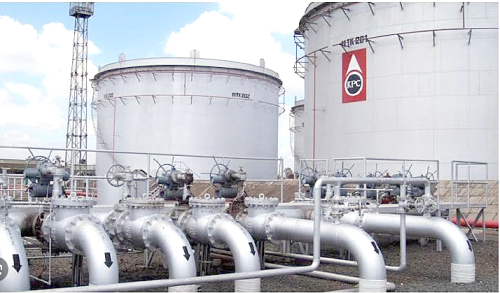
“I want to assure Kenyans that there is no shortage of fuel. As of today, we have 183,318 cubic metres of petrol and 152,750 cubic metres of diesel, enough to last us for many days. More shipments are also on the way,” he told lawmakers.
The CS emphasised that any localised shortages being reported are not due to a lack of national supply but are instead the result of market behaviour by certain industry players.
You Might Also Like


“There is no shortage of fuel in the country. If there is any shortage, it has been caused by oil market players,” Wandayi said.
His remarks come amid heightened scrutiny of oil marketing companies (OMCs), with the Energy and Petroleum Regulatory Authority (EPRA) stepping up enforcement actions against firms suspected of hoarding fuel and manipulating supply chains.

In a directive issued earlier in April, EPRA revealed it had received multiple complaints claiming that some marketers were deliberately withholding fuel from independent retailers in anticipation of higher prices.
Preliminary investigations indicated that certain companies had restricted sales to non-franchised dealers, a practice the regulator described as unlawful under the Petroleum Act.
Additionally, EPRA flagged cases where wholesale or ex-depot prices exceeded regulatory caps, further exacerbating supply challenges and contributing to consumer anxiety.
Despite these findings, Wandayi maintained that the government is taking firm action to stabilise the market and protect consumers.
On procurement concerns, the CS addressed questions surrounding a controversial fuel consignment, explaining that the process had been initiated through technical recommendations but later raised red flags.
“Procurement of the consignment was recommended by a technical committee. The PS approved it in his wisdom. On the 30th of March, it emerged that this consignment came out of G2G, and I moved swiftly and briefed the President. His Excellency advised me to stop the second vessel, which was coming in,” he said.
Wandayi said the importance of proper authorisation in such transactions, noting that deviations from established procedures should trigger higher-level approvals.
“Such a deviation should require a higher approval. The approval of the CS was not sought. If it did, I would have escalated to the President,” he added.
Fuel prices
On the issue of fuel pricing, Wandayi urged patience ahead of EPRA’s next review, signalling that the disputed consignment would not influence pump prices.
“We cannot pre-empt what EPRA will announce tomorrow. Take it from me, the cost of this consignment will not be factored. We ask Kenyans to be patient and wait for tomorrow to see the measures the government has taken to cushion them,” he said.

Meanwhile, EPRA had acknowledged that certain regions, including Nairobi and Machakos, have experienced temporary shortages, with long queues forming at petrol stations. Retailers have warned that dwindling stocks and delayed deliveries could worsen the situation if not addressed promptly.
EPRA confirmed the situation, saying the long queues have been sparked by panic buying at fuel stations in some parts of the capital.
“Our Surveillance and Enforcement team from the Nairobi region conducted inspections at various petrol stations in Nairobi and Machakos counties to check compliance and confirm fuel availability,” EPRA said.
“While most stations had fuel, a few were out of stock but indicated they were awaiting resupply.”
However, with the government insisting that national reserves remain stable and enforcement actions intensifying against non-compliant marketers, authorities are seeking to restore confidence in the fuel supply chain and prevent panic buying.
As the situation evolves, all eyes remain on EPRA’s upcoming pricing announcement and the government’s next steps to ensure market stability and protect consumers from artificial shortages and price manipulation.
Author
Latest News






Advertisement
More on Business