Advertisement
Sugarbelt governors call for stiff import rules to curb glut
Thursday 30th March, 2023 08:40 AM|
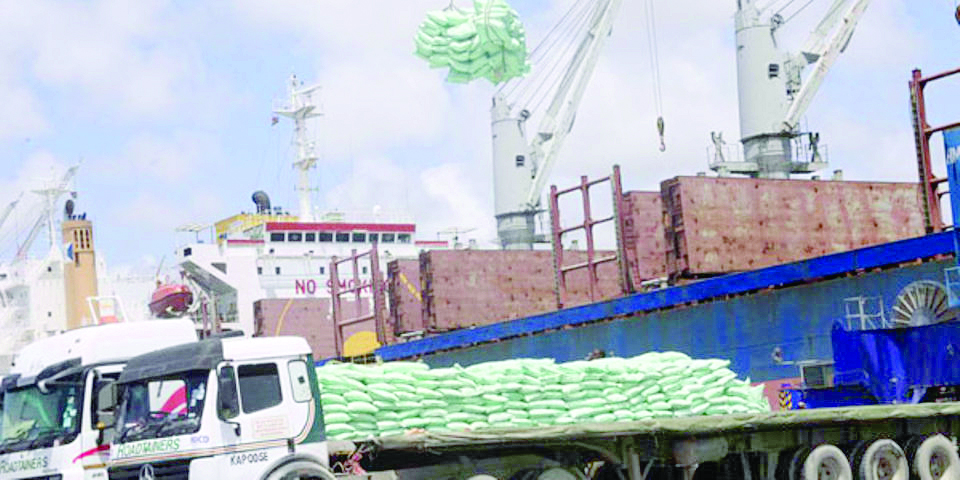
Over the years, Kenya has been relying on importing sugar from the Common Market for Eastern and Southern Africa aBut control of the imports is proving to be a major challenge as some unscrupulous traders take advantage of the situation to engage in illicit trade by repackaging imported sugar into local brands.
Now the issue has ruffled the feathers of governors from sugar-producing counties in the Lake Region Economic Bloc, (Lreb), who want the national government to cancel the licenses of individual importers.
Instead, they want a single agency to be established by the State to import sugar based on the deficit in the warehouses of the sugar factories to curb excess dumping of sugar in the local markets.
The governors are Prof Anyang Nyong’o, (Kisumu), Migori governor Ochillo Ayacko, Kenneth Lusaka, (Bungoma) and Fernandes Barasa (Kakamega) among others.
“We don’t want individuals to import sugar. No. We want the State to establish an agency to import sugar based on the warehouse deficits provided by the State-run factories,’’ said Nyong’o.
Ayacko and Barasa echoed the sentiments. They told the government to curb the cheap dumping of sugar into the local market which was making it difficult for locally produced sugar to sell faster in the markets. Nyong’o, who is also the Lreb chairman said importers are about 56 in the country and have vested interests since they control and run the sector like cartels.
He called for implementation of the the sugar report of a committee that was chaired by former Agriculture minister Mwangi Kiunjuri and former Kakamega Governor Wycliffe Oparanya.
In December 2022, Treasury Cabinet Secretary Njuguna Ndung’u announced, through a gazette notice, announced a three-month window for importing duty-free sugar. According to the CS, the window was aimed at rationalising the sugar crisis that has seen the prices skyrocket.
The State had directed that at least 100,000 tonnes of brown or mill white sugar may be imported into the country duty-free not later than March 31, 2023, in a recent gazette notice.
Industry players
The CS also directed the duty-free importation of 900,000 tonnes of white maize grain and 600,000 tonnes of milled rice. The ministry directed all all imports to be done before August 6, 2023. But Nyong’o said the 300,000 tonnes currently imported by Kenya is not realistic because Kenya can produce more if local factories are revamped, adding: “We are capable of producing sugar and be a net exporter.”
Nyong’o said the sugar report should not “be gathering dust, and during my tenure in Lreb as chair I shall ensure the report is implemented in toto as proposed by the industry players.” The concern by the governors emerged at the end of the 11 LREB summit in Migori town, last week, where they underscored the need for regulated sugar imports to avoid causing a glut in the local markets.
The concerns also came at a time the State is considering using the revamped Kenya National Trading Corporation (KNTC) to import about 200,000 tonnes of sugar duty-free, annually.
If successfully done, this would mean that by the end of the year, Kenya could import at least 200,000 tonnes of sugar from outside Comesa regional bloc.
Anne Kawira, a researcher and the country director of the United Nations Industrial Development Organisation (Unido) who was the keynote speaker on the first-day of the conference called on sugar firms to diversify. She said the industry is fuelled by 250,000 small-scale farmers in the country who directly and indirectly drive the socio-economic livelihood of over six million Kenyans and shouldn’t be overlooked.
Author
Kepher Otieno
View all posts by Kepher OtienoLatest News








Advertisement
More on Business