Advertisement
Salasya vows to oppose govt’s plan to offload stake in Safaricom
Sunday 07th December, 2025 05:49 PM|

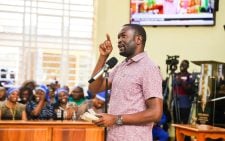
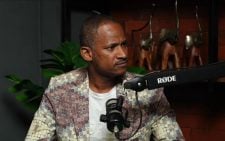
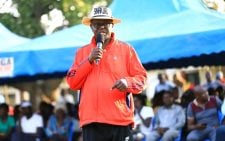
Mumias East Member of Parliament Peter Kalerwa Salasya has issued a strong warning against any government attempt to sell or dilute Kenya’s stake in Safaricom.
Taking to his official X account on Sunday, December 7, 2025, Salasya emphasised the central role Safaricom and M-Pesa play in Kenya’s economic and technological landscape.
The government is planning to offload a 15 per cent stake in Safaricom to Vodacom.
Also watch: MP Nyoro opposes Safaricom stake sale, says Kenyans are being short-changed
You Might Also Like
The deal is priced at Ksh34 per share, about a 20 per cent premium on the market rate, with the sale expected to raise approximately Ksh244–245 billion for the State, including an advance dividend payment.
Safaricom-Vodacom deal
If the deal goes through, Vodacom’s effective control of Safaricom will rise to around 55 per cent, while government ownership will drop from 35 per cent to roughly 20 per cent.
Salasya has expressed deep concern about the potential for foreign entities to acquire majority control of the firm, arguing that it would constitute a “monumental mistake” and a direct threat to Kenya’s sovereignty and economic independence.
“Vodafone is a giant across South Africa, Nigeria, Tanzania, and much of West Africa; it dominates entire markets. But in Kenya, our strength has never been foreign dominance. Our pride, our resilience, and our global identity stand on one pillar: Safaricom and M-Pesa,” Salasya stated.
Also watch: CS Mbadi moves to calm fears over Safaricom sale, vows productive use of proceeds
“M-Pesa is not just a product. It is the backbone of Kenya’s financial system, the innovation that put our country on the world map, and the technology that keeps millions of families, businesses, and the entire economy moving. Allowing any foreign entity to take majority control of this national treasure would be a monumental mistake, a blow to our sovereignty, and a direct threat to our economic independence.”
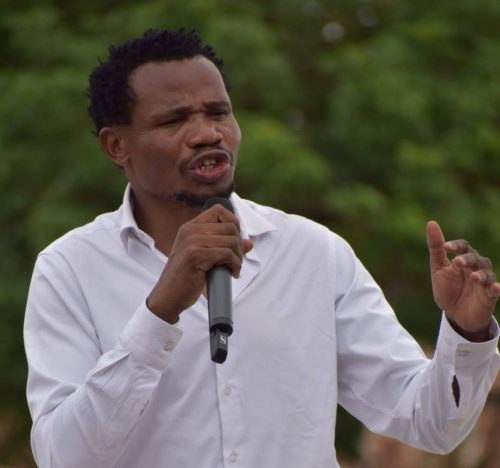
Safaricom and M-Pesa
According to Salasya, Safaricom and M-Pesa are emblematic of Kenya’s resilience and global identity, calling on the government to prioritise national interest over short-term financial gains.
“Kenya is known globally because of M-Pesa. It is the beating heart of our digital economy. It is the trust of the Kenyan people. The Government of Kenya must never dilute its stake in Safaricom, KCB, or any high-performing national institution where public ownership protects national interest. These are strategic assets, not items for sale. Their profits fuel development, their innovation drives our future, and their success strengthens our country,” he wrote on X.
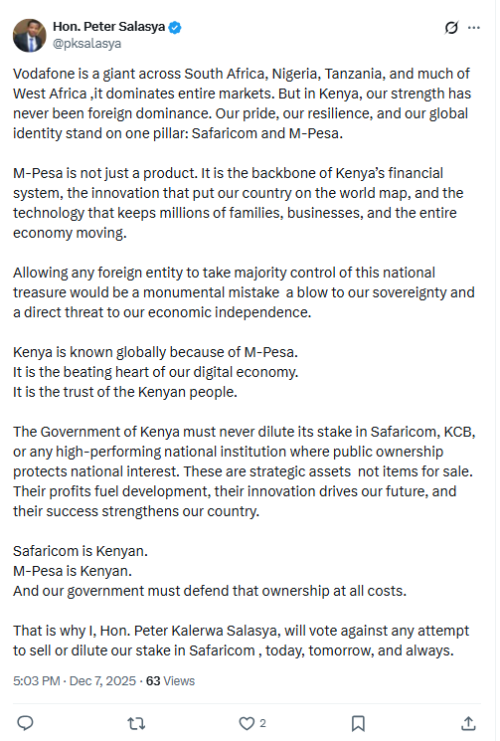
Salasya also highlighted the broader impact of Safaricom’s success, noting that its profits drive development, its innovations shape the country’s future, and its trust in the Kenyan people strengthens the nation as a whole.
Salasya raises concerns
This comes just a day after the youthful MP criticised the Kenyan government’s decision to offload its shares in Safaricom.
The lawmaker had earlier outlined reasons why he is against the state’s move in the Safaricom stake sale and good-performing government-owned institutions, and the new concept of infrastructure fund.
”Under President William Ruto, the Kenya National Trading Corporation (KNTC) became the government’s favourite laundromat, the official washing machine for shady imports, inflated tenders, and midnight procurement. Everything this regime pushed through KNTC, edible oil, rice, sugar, maize, fertiliser, carries the same unmistakable stench: inflated prices, irregular deals, mysterious suppliers, and billions that disappeared like smoke,” Salasya stated.
Author
Mustafa Juma
View all posts by Mustafa JumaLatest News

Advertisement
More on Business