Advertisement
Ruto rings bell at NSE to mark completion of Kenya Pipeline IPO
Tuesday 10th March, 2026 10:54 AM|

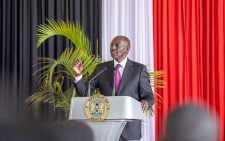
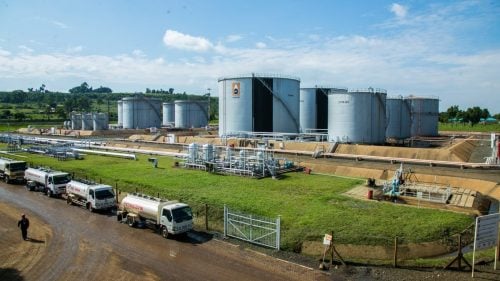
President William Ruto has rung the bell at the Nairobi Securities Exchange in a formal signal that the trading of Kenya Pipeline Company (KPC) initial public offering (IPO) shares has begun.
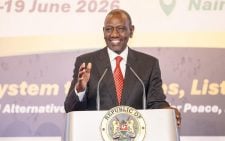
Speaking at the event at the Nairobi Securities Exchange on Tuesday, March 10, 2026, President Ruto, who was present on the occasion, observed that the KPC listing is one of the milestones towards achieving the development vision of the government, as the KPC IPO proceeds will be used to fund key projects.
“I promised that the government would bring the Kenya pipeline IPO to the stock exchange; it may have taken longer than I had planned, but that day is finally here… There is a deeper significance to today’s listing. If you ask many Kenyans today, few can point to a specific national asset or project that has been built using proceeds from the sale of stakes in government companies.” Ruto stated.
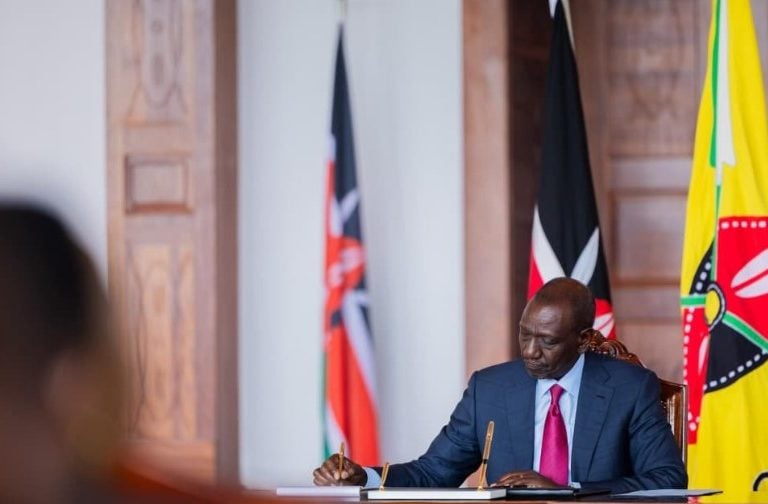
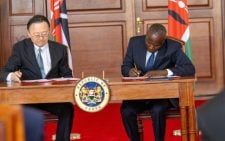
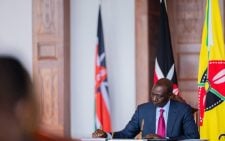
While signing the National Infrastructure Fund into law on Monday, March 9, 2026, Ruto referred to the IPO as an important move towards marshalling funds to be used in national projects of national development.
You Might Also Like


He said that the brand-new National Infrastructure Fund that will be initially funded by the KPC IPO proceeds will be used to fund key projects in the country such as road construction, energy infrastructure, ports and other massive projects.
Details of the IPO
The IPO entails that 65 per cent of KPC shares were sold to the people, raising Ksh106 billion. This is a major advancement in the partial privatisation programme by the government and the financial foundation, as the National Infrastructure Fund will start its operations. According to the officials, the fund is going to concentrate on commercially viable projects capable of producing long-term returns and also help in national development.
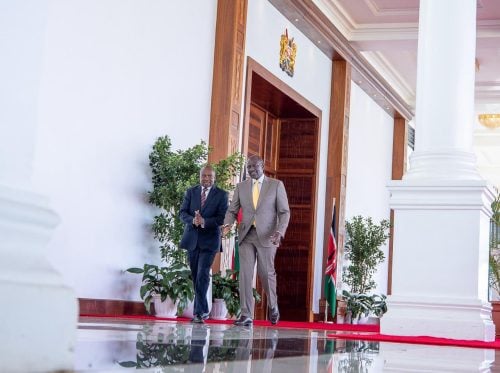
President Ruto also clarified that the government has long been strategising a financing system that would facilitate the development of infrastructure other than the conventional public expenditure.
With the help of private capital and international investment, Kenya targets developing a stable infrastructure funding model, so that the development projects can remain in force without overstraining taxpayers.
Author
Latest News




Advertisement
More on Business