Renewables and nuclear power to supply 50% of global electricity by 2030 – report
By Aloys Michael, February 13, 2026Half of the world’s electricity is projected to be generated from renewables and nuclear energy by 2030, according to the latest outlook from the International Energy Agency (IEA).
The forecast shows the accelerating transformation of global power systems as countries ramp up investments in cleaner energy sources.
Renewable power is set to surpass coal in global generation, while nuclear energy is experiencing renewed momentum as governments in both developing and industrialised nations prioritise energy security, emissions reduction, and long-term sustainability.
Importantly, renewable electricity generation rose sharply in 2025, with solar PV reaching record output levels, virtually matching coal-fired generation.
The growth came despite weaker hydropower in some regions and lower-than-average wind speeds in Europe, depicting the resilience of renewable energy expansion.
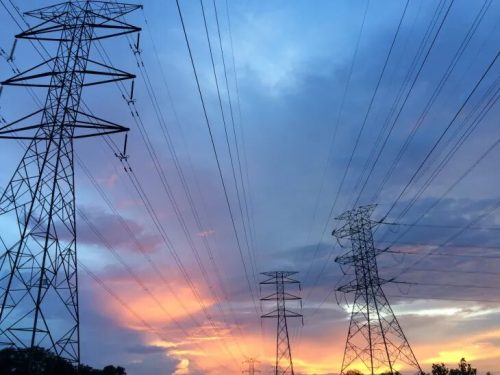
“Renewable output is forecast to grow by about 1,000 terawatt-hours annually through 2030, with solar PV alone accounting for over 600 TWh,” the report released on Friday, February 13, 2026, observes.
According to the findings, nuclear power reached a new high in 2025. This happened because Japan restarted some reactors, France increased production, and countries like China and India added new nuclear plants.
Most of the growth in nuclear energy is expected to come from developing countries. However, developed countries are also keeping their existing reactors running longer and building new ones to ensure a steady and low-carbon electricity supply.
Coal is still expected to be the largest source of electricity in 2030, but its overall share in global power generation will likely decrease slightly.

Trends are different in each region. In India and China, coal use is going down as renewable energy grows. In the United States, coal use is increasing because natural gas prices are higher and some coal plants are staying open longer.
In Europe, record solar power production is helping make up for lower wind and hydropower output, which is slowing down the decline in coal use.
On the other hand, natural gas is forecast to play a complementary role, growing at an average annual rate of 2.6 per cent through 2030.
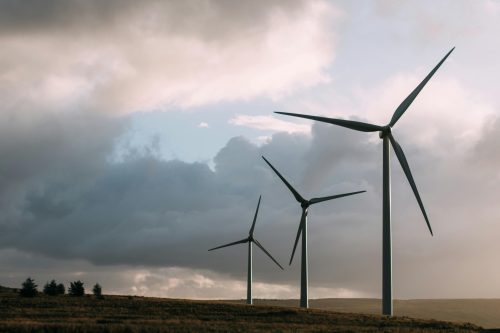
Alongside renewables and nuclear, gas-fired generation is expected to meet rising electricity demand and replace a portion of coal-fired output, particularly in the Middle East and North America.
On the demand side, IEA says the global electricity demand is set to grow rapidly, averaging 3.6 per cent annually between 2026 and 2030, driven by industry, electric vehicles, air conditioning, and data centres.
Emerging economies will account for nearly 80 per cent of the additional consumption, with India, Southeast Asia, and China contributing the largest increases.
“Over the next five years, China alone is expected to add demand equivalent to the total electricity consumption of the European Union today,” the report reads.