Advertisement
Questions over Kenya Railways Ksh34B loans
Tuesday 22nd July, 2025 03:40 AM|
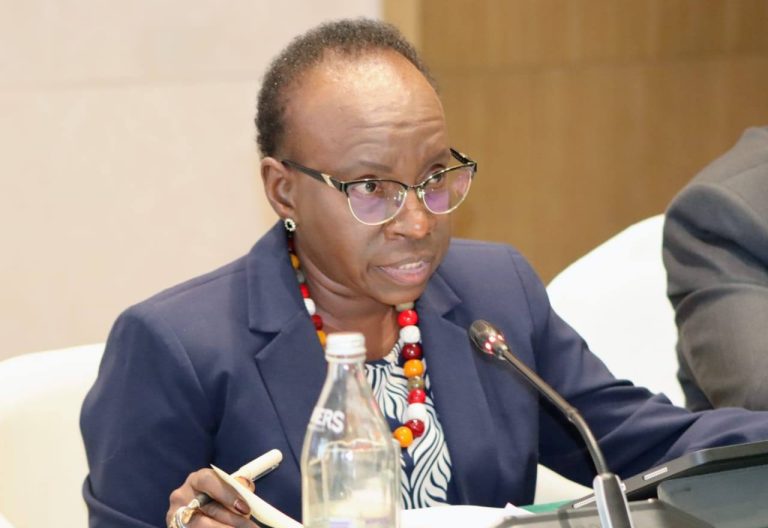
Auditor General Nancy Gathungu has exposed massive irregularities in the payment of tickets for the Standard Gauge Railway (SGR), where some customers ended up not paying.
This came as Gathungu put the Kenya Railways on the spot over its failure to pay loans that have since accrued interests and penalties worth Ksh34.1 billion.
Gathungu has also raised concerns over the accrual of lawsuits amounting to Ksh27.97 billion and guarantees given on behalf of the corporation amounting to Ksh166.8 million.
In a report for the financial year ending June 2024, she warned the corporation risks having its operations interrupted should the liabilities mature.
You Might Also Like
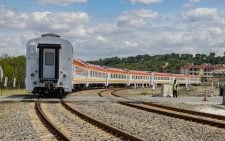
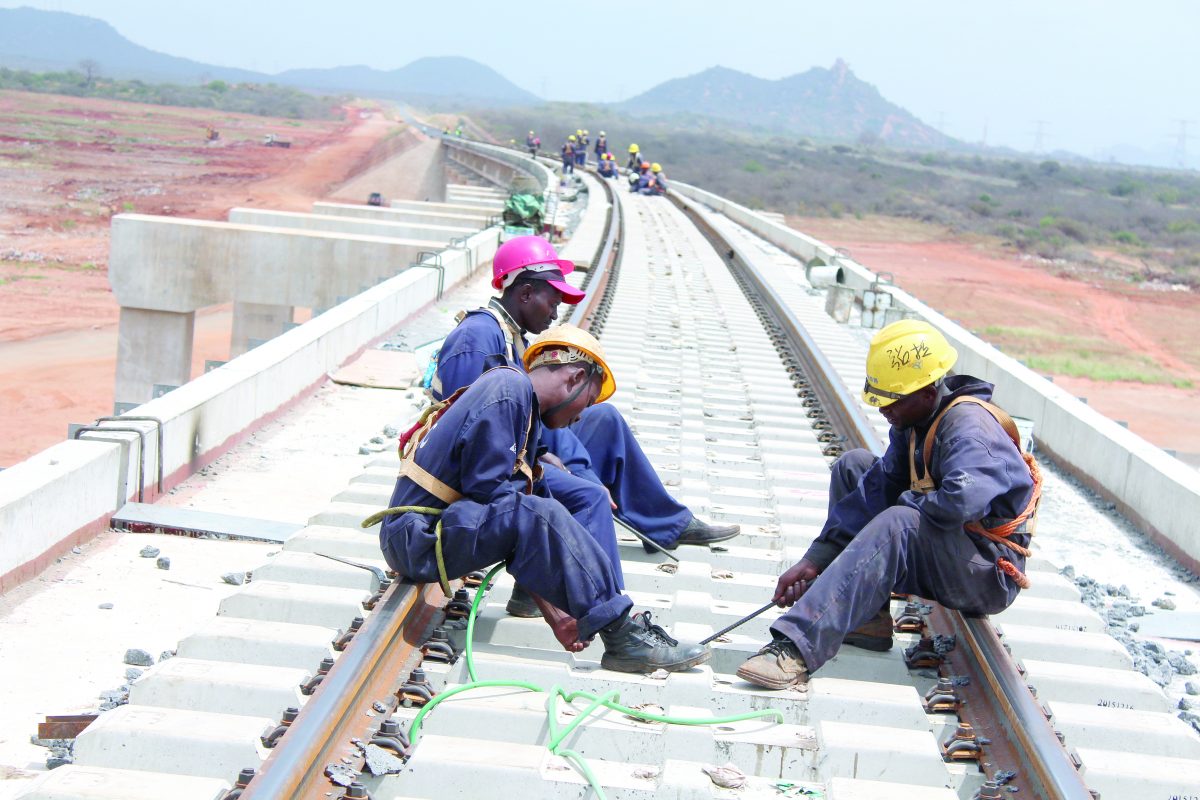

The penalties accrued after it failed to settle the Ksh646.16 billion loan it took from China Exim Bank.
Avoidable costs
“As reported in the previous year, the balance comprises lawsuits against the Corporation yet to be determined, estimated at Ksh27,978,266,389 and guarantees given on behalf of the Corporation amounting to Ksh166,832,810. I draw your attention to the fact that the Corporation is at risk of operations interruption should the contingent liabilities crystallise,” the report reads.
With regards to non-payment of the Ksh34.1 billion, comprising penalties amounting to Ksh5.3 billion and interests amounting to Ksh28.85 billion, Gathungu said the payments could have been avoided if the loans had been paid.
“Failure to meet obligations when due has attracted avoidable expenditure of Ksh34,166,273,919 in the form of penalties amounting to Ksh5,309,944,132 and interests amounting to Ksh28,856,329,787, which could have otherwise been avoided,” she noted, adding that the balance includes an amount of Ksh5.3 billion in respect of penalties. outstanding arising from non-settlement of maturing loan obligations relating to the China Exim Bank loan.
“These penalties expose the public to avoidable expenditures that could otherwise have been avoided. This expenditure is not a proper charge to public funds,” the report went on to observe.
On payments made for tickets, the report highlights a number of weaknesses in the revenue collection of Ksh133.8 million relating to the Meter Gauge Railway (MGR) Revenue.
For instance, the report says that despite the corporation having employed revenue inspectors, commuter service trains are usually congested, making it difficult for inspectors to confirm that all the passengers were receipted.
This, the report says, has led to passengers not paying, hence a potential loss of revenue.
It also raises concerns that receipts issued were being dropped in an open tray, which gave an avenue for some used receipts to be used later, either in the evening or the next day, since the used ones were not safeguarded or destroyed.
“In the circumstances, the effectiveness of internal controls on revenue collections in the commuter service trains could not be confirmed,” the report reads, adding that internal controls on the handling of the issued receipts at the main railway station exit were noted to be weak.
The report further raises concerns that payments made through mobile money were not well managed and coordinated, as it was noted that cashiers prioritise receiving cash customers and then those who pay using mobile phones later.
According to the report, considering that the train has different boarding and alighting stations along the route, there was a likelihood that mobile money customers alight before they were receipted.
Dishonest people
In addition, the report regrets that these customers only display the message to the cashier, and the cashier requests the customer to read to him/her the reference number, which is prone to abuse.
“Considering that there are instances where dishonest people tamper with MPESA messages, chances of the cashier recording doctored messages could not be ruled out. The cashiers who gave out tickets were the very same people who walked around to check the tickets. Lack of segregation of duties can easily lead to collusion and loss of cash. Mostly, the inspectors/supervisors are not on the train to check the tickets,” the report further states.
Meanwhile, the report has also raised concerns over long outstanding prepayments to suppliers, including Kenya Power and Lighting Company, Nairobi City Government, National Youth Services, Kenya Railways Staff Retirement Benefit and other State agencies, amounting to Ksh1 billion that had remained outstanding for more than one year.
“No satisfactory explanation was given why the amount did not form the first charge in the succeeding year,” the Auditor General states.
Author
Mercy Mwai
View all posts by Mercy MwaiLatest News





Advertisement
More on Business