Advertisement
Oil back above Ksh12K as conflicting claims emerge on US-Iran talks
Tuesday 24th March, 2026 12:50 PM|

The price of Brent crude oil has risen back above Ksh12, 900 a barrel, after plunging on Monday, as conflicting accounts of potential talks between the United States (US) and Iran emerged.
On Tuesday in Asia, oil rose by 4 per cent to about Ksh13, 500 a barrel.
The price of Brent had fallen by more than 10 per cent on Monday, March 23, 2026, after US President Donald Trump delayed and threatened strikes on Iranian power plants, saying Washington had “productive” conversations with Tehran.
But Tehran rejected claims that it had been in contact with Washington, calling them an attempt to manipulate markets.
You Might Also Like
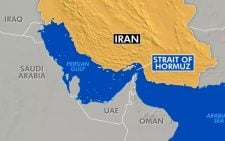

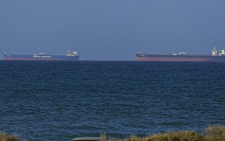
On Saturday, March 21, 2026, Trump had said that he would “obliterate” Iranian power plants if the key Strait of Hormuz shipping route was not reopened in 48 hours, with Iran saying it would respond by targeting key infrastructure in the region.
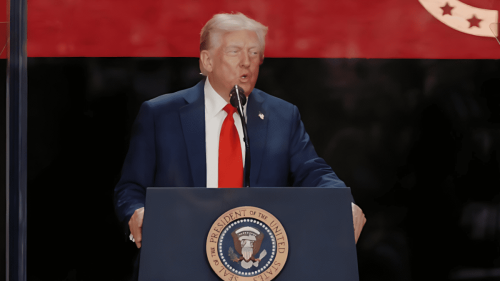
Those comments rattled markets – causing the price of Brent to hit Ksh14,645 a barrel.
But oil prices plunged, and stock markets rebounded after Trump on Monday said he would hold off strikes, saying Iran and the US had held talks about a “COMPLETE AND TOTAL” resolution.
Global energy markets have seen volatile trading since the US and Israel attacked Iran on February 28, 2026.
However, Asian stock markets, which have also been rocked in recent weeks by the conflict, were relatively stable on Tuesday, March 24, 2026.
In morning trading, Japan’s Nikkei 225 was 0.8 per cent higher, the Hang Seng in Hong Kong was up by 1.6 per cent, while South Korea’s Kospi rose by 2.2 per cent. They had fallen sharply on Monday as Asian countries are heavily dependent on oil and gas that would normally pass through the strait.
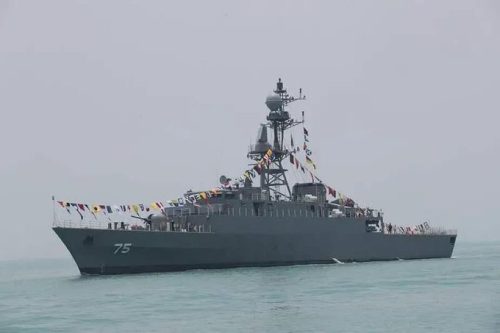
Since the war began on February, Iran has effectively blocked the waterway. About 20 per cent of the world’s oil and liquefied natural gas usually passes through the strait, and the conflict has sent global fuel prices soaring.
Countries around the world have moved to ease the impact of higher energy prices and supply disruptions.
The US has temporarily waived sanctions on Russian and Iranian oil already at sea to ease shortages.
On Tuesday, March 24, 2026, China dialled back on planned fuel price hikes in a bid to “reduce the burden” on drivers, as energy costs surge due to the Iran war.
Author
Latest News







Advertisement
More on Business