Middle East war: IMF, World Bank warn conflict threatens energy markets and global economic recovery
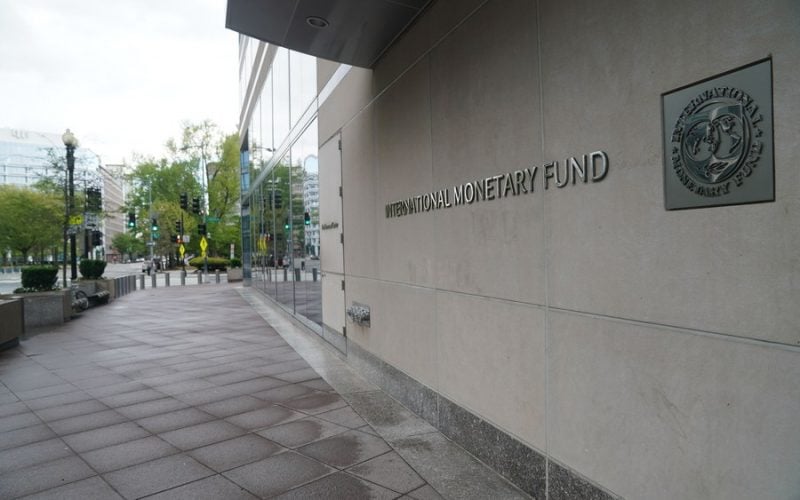
By Aloys Michael, July 9, 2026The International Monetary Fund (IMF) and World Bank have warned that the ongoing Middle East war could threaten global energy markets and slow economic recovery as disruptions to trade routes, fuel supplies and inflation pressures continue to affect vulnerable economies worldwide.
The warning followed a July 7, 2026, high-level coordination meeting involving the heads of the IMF, World Bank Group, International Energy Agency (IEA) and World Trade Organisation (WTO). The institutions met to assess the economic impact of the Middle East conflict and coordinate measures to support countries facing rising energy, trade and economic risks.
In a joint statement issued on Wednesday, July 8, 2026, the institutions said the global economy has remained resilient despite the shock from the conflict.
“The global economy has been broadly resilient to the shock from the war in the Middle East,” they said, while warning that the impact has been highly uneven, affecting energy supplies, food security, commodity markets and economic activity across different regions.
The four organisations said some economies have already experienced slower growth and increased inflation pressures as the conflict continues to disrupt market confidence. Countries dependent on imported fuel, fertilisers, and essential goods remain particularly exposed to rising costs and supply chain challenges.
A major concern is the continued strain on global energy flows, especially around the Strait of Hormuz, one of the world’s most important oil and gas transit routes. The institutions called for progress toward resolving the conflict and reopening the waterway, stressing the need to maintain freedom of navigation to protect international trade.
Global energy disruptions
“Energy markets and transit of goods are still facing strains,” the institutions said, adding that governments and the international community should continue working together to strengthen energy security, protect jobs and support economic recovery.
Although fuel and fertiliser prices have declined since the previous coordination meeting in June, officials warned that uncertainty remains high. The economic impact of the Middle East war could continue through higher transportation costs, pressure on food prices, disruptions to global oil markets and weaker investment confidence.
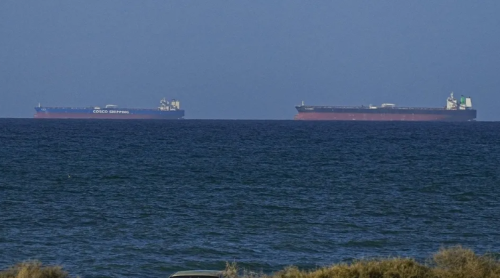
The IMF, World Bank, IEA and WTO urged governments to improve resilience by upgrading port infrastructure, strengthening trade systems and expanding protections against future energy and food supply shocks.
The impact of the conflict is being closely monitored across Asia, Africa, Europe and other regions that rely heavily on stable energy supplies and global trade networks. Businesses and governments are watching oil prices, shipping routes and inflation trends as geopolitical risks continue to shape the global economic outlook.
The institutions said they will continue monitoring developments and remain prepared to provide additional support if conditions worsen.
While the global economy has avoided a major crisis so far, the IMF and World Bank warned that a prolonged Middle East war could create renewed pressure on energy markets, supply chains and the pace of global economic recovery.