Mbadi defends mitumba tax proposal dropped from Finance Bill 2026
By Faith Lagat, May 11, 2026National Treasury Cabinet Secretary John Mbadi has defended the proposed presumptive tax on second-hand clothes (mitumba), stating that the initiative was developed following consultations with traders seeking a simplified taxation system.
The proposal, which was included in the Finance Bill 2026 but later removed by the National Assembly, sought to streamline tax compliance in the second-hand clothing sector.
Proposal origin and tax structure
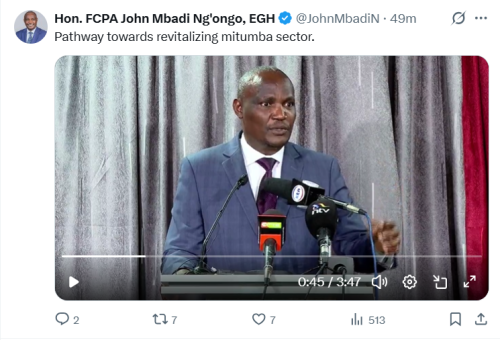
In a video statement posted on X on Monday, May 11, 2026, CS Mbadi said mitumba traders had approached the Treasury requesting a simplified tax framework due to the complexity of existing obligations.
“They expressed frustrations… They asked for a simplified tax system where they pay at the point of entry and no one comes again to demand for any taxes,” Mbadi said.
Under the proposed system, traders would pay a presumptive tax based on 5 per cent of the customs value of imported goods, with a 30 per cent tax applied to that value, resulting in an effective 1.5 per cent final tax.
The measure would apply to goods under tariff heading 6309 and was designed to consolidate multiple tax obligations, including VAT and income tax filings, into a single payment at importation.
Mbadi said the proposal aimed to reduce compliance costs and administrative burden on traders operating in the sector.
Stakeholder views and parliamentary response
Mbadi noted that the provision was removed during parliamentary deliberations but said it should be reconsidered through amendments.
“I still insist we should have it… It is addressing an industry problem,” he said, adding that discussions should involve mitumba sector representatives.
He dismissed concerns that the tax would increase clothing prices, stating that traders already comply with multiple existing tax requirements. Mumias East MP Peter Salasya opposed the proposal, saying it would negatively affect informal traders and lead to increased retail prices.
Salasya stated that the tax structure would amount to double taxation and limit traders from claiming expenses or deductions.
Sector impact and economic concerns
Mitumba trade supports a large informal sector and provides affordable clothing for millions of Kenyans, particularly in urban markets such as Gikomba.
Stakeholders in the sector warned that importers could pass additional costs to consumers, potentially increasing retail prices and affecting demand.
The Finance Bill 2026, which supports the Ksh4.8 trillion 2026/27 national budget, also includes other tax measures, including a 25 per cent excise duty on mobile phones charged at activation.
Parliament is expected to continue reviewing proposed amendments as debate over the mitumba taxation framework continues.