Advertisement
Mbadi allays fears of salary cuts to bankroll Infrastructure Fund
Wednesday 11th March, 2026 07:21 AM|

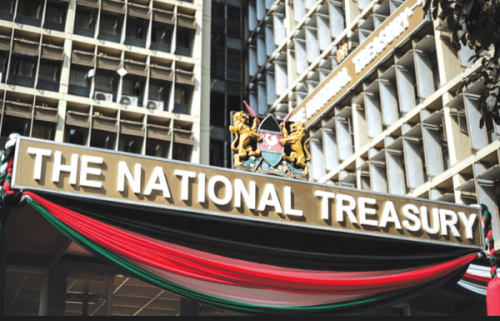
National Treasury Cabinet Secretary John Mbadi has clarified that the public servants’ salaries will not be deducted to finance the proposed National Infrastructure Fund (NIF).
Speaking on Tuesday, March 10, 2026, during a late-night interview on a local station, Mbadi noted that the fund will instead be capitalised through seed money generated from the government’s divestiture of shares in state-owned enterprises.
“This fund is being set up by the seed capital from the divestiture of government shares in state-owned enterprises,” Mbadi said.
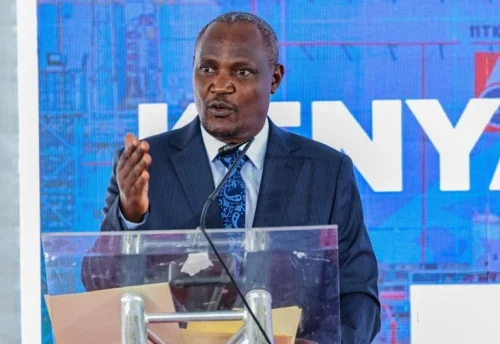
He stated that the money to be used will come from state-owned enterprises, including Kenya Pipeline Company and Safaricom, among other enterprises.
You Might Also Like



Mbadi further noted that the funds are likely to lower the taxes levied on Kenyans.
“KPC is the first candidate, and we also have diverse change at Safaricom and many more others that are going to come; that is the money that will be used,” Mbadi noted.
He added, “In fact, this fund is likely to lower taxes that are levied on Kenyans.”
Low tax on low income earners
He said that the government has already committed itself to lowering the tax on low-income earners.
Mbadi said the government needs the National Infrastructure Fund in order to stabilise the economy.
“We have already committed ourselves to reducing the taxes on low-income earners, and we have said we are going to actualise it with the finance bill,” Mbadi stated.
Financing commercially viable projects
Mbadi has said the government is turning to a newly created National Infrastructure Fund to finance commercially viable projects, as traditional sources of development funding continue to decline.
“The traditional sources of raising funds for development are shrinking by the day, yet our demand for services continues to increase by the day,” Mbadi said.
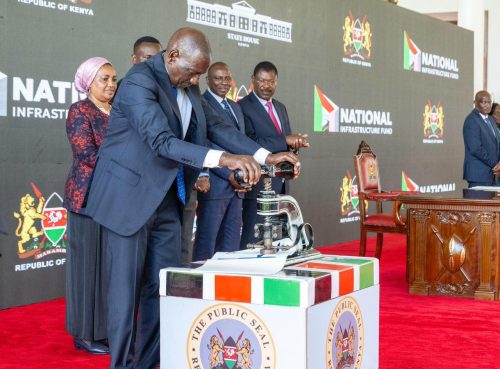
The CS explained that the fund will help implement proposals contained in political manifestos across the political divide that sought alternative ways to finance large infrastructure projects.
According to Mbadi, the National Infrastructure Fund will specifically target projects that are commercially viable and capable of generating returns, allowing them to be financed outside the normal government budget.
“This fund we have created is going to actualise this, where those projects that are commercially viable will now be taken out of our budget and not funded the traditional way, and will be funded through this national infrastructure fund,” Mbadi said.
Author
Emmanuel Rono
Rono is a dynamic digital journalist with a proven track record in newsroom leadership and content creation. Currently a Digital Writer for People Daily Digital, Emmanuel’s career is rooted in a lifelong passion for storytelling.
View all posts by Emmanuel RonoLatest News





Advertisement
More on Business