Advertisement
Ksh200B from govt sale of 15% stake in Safaricom to hit accounts on Friday – Mbadi
Thursday 02nd July, 2026 12:08 AM|
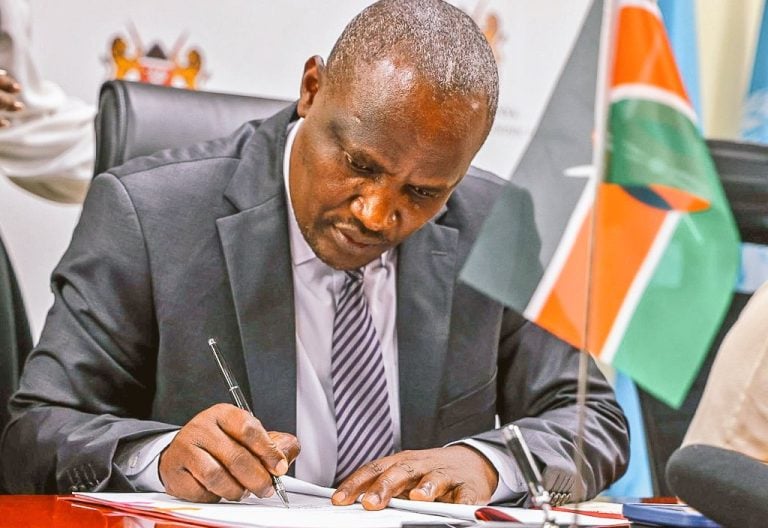
The Kenyan government’s landmark divestment from East Africa’s most profitable telecom giant, Safaricom, is nearing its financial finish line.
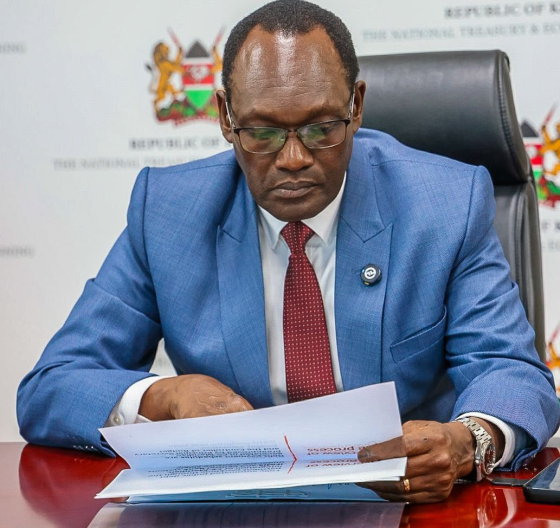
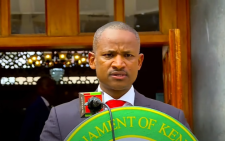
National Treasury Cabinet Secretary John Mbadi announced on Wednesday night, July 1, 2026, that more than Ksh200 billion from the sale of a 15 per cent stake in Safaricom is expected to hit state bank accounts by Friday.
Speaking during a live television broadcast, Mbadi confirmed that all legal bottlenecks delaying the transaction had been successfully cleared.
The historic block trade, finalised on the Nairobi Securities Exchange (NSE) on June 30, went through after the Court of Appeal lifted conservatory orders that had temporarily frozen the deal.
You Might Also Like


“What I know is that we don’t have any legal hurdles, and we have concluded the transaction. I am confident that on Friday, we will have over 200 billion in our accounts. The 200 billion is going to the National Infrastructure Fund at the Central Bank,” Mbadi said.
The total share sale is valued at Ksh204.3 billion for 6.01 billion ordinary shares, sold directly to South Africa’s Vodacom Group.
The shares were priced at Ksh34.00 each, marking an approximate 20 per cent premium over previous market averages.
In a lucrative secondary arrangement, Vodacom also paid an additional Ksh40.2 billion upfront to claim future dividend rights on the state’s remaining shares. This brings the total immediate fiscal windfall for the National Treasury to a combined Ksh244.5 billion.
Data privacy debates
The massive transaction has reignited an intense domestic debate regarding national security and data sovereignty, given Safaricom’s absolute dominance over Kenya’s mobile communications and its wildly successful mobile money ecosystem, M-Pesa.
Critics have warned that reducing state ownership could leave the private biometric and financial data of millions of Kenyans vulnerable to foreign corporate influence.
Mbadi strongly rejected those assertions, calling the link between state equity and consumer data protection a “fallacy.”
He pointed to rival telecom operator Airtel Kenya as an example of a fully private entity operating safely under the country’s regulatory umbrella.
“The government does not have shares in Airtel Kenya,” Mbadi argued, noting that the company remains entirely privately owned yet the personal data of Kenyans is not mismanaged.
“Data protection is protected by our Kenyan laws; it is not about shareholding in a specific country. There is no time that the Kenyan government has used its shareholding position to influence decisions on data and privacy. It is a fallacy; it is the laws of Kenya that protect the data,” Mbadi explained.
With the funds set to be deposited directly into the Central Bank of Kenya’s National Infrastructure Fund, the government hopes the massive liquidity injection will ease short-term fiscal pressures and fund stalled infrastructure projects nationwide.
Author
Martin Oduor
View all posts by Martin OduorLatest News


Advertisement
More on Business