KRA marks 30 years with push for digital tax collection
By Kenneth Mwenda, September 2, 2025The Kenya Revenue Authority (KRA) has announced fresh plans to use technology to simplify tax processes and bring more Kenyans into the tax net.
Speaking on Monday, September 1, 2025, during celebrations to mark the authority’s 30th anniversary, Commissioner General Humphrey Wattanga said billions have been set aside to support the move.
The reforms will focus on micro, small and medium enterprises (MSMEs) while also restructuring KRA’s internal operations. This will include new hires, staff training, and digital tools to improve efficiency.
Wattanga stressed that the authority will continue to prioritise voluntary compliance.
“Expanding the tax base through voluntary compliance remains primary and critical,” he said. “We will continue with our collaboration and co-creation to enhance service delivery, strengthen partnerships with all stakeholders, and create a taxation system that supports economic growth, innovation and job creation.”
Wider tax base
Treasury Cabinet Secretary John Mbadi used the occasion to highlight both progress and challenges in Kenya’s tax system. He pointed out that while KRA has made significant achievements since 1995, the revenue-to-GDP ratio remains low at 16.8 per cent, falling short of expectations compared to countries with similar economies.
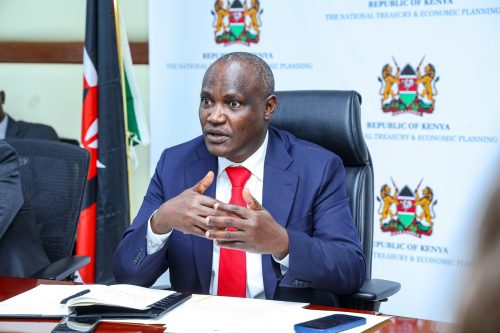
Mbadi also called for urgent action to expand the tax base.
“We have talked far too long about broadening this tax base. Mpaka, it has become a song,” he remarked. “If we cannot broaden this tax base between now and June next year, then we better just put it aside and live the way we are living.”
KRA has been praised for investing in technology over the years, helping it surpass the one trillion shilling revenue mark in 2014 and the two trillion mark in the 2021/2022 financial year. Wattanga revealed that the authority is now exploring the use of artificial intelligence to strengthen tax collection and keep pace with rapid digital innovations.
KRA Board Chair, Nderitu Muriithi, noted that Kenyans already move more than 40 trillion shillings annually through mobile transactions, about three times the size of the country’s GDP. This, he argued, shows that Kenyans are far from “informal” in their economic activities and are using increasingly sophisticated systems.
Mbadi confirmed that the Treasury will soon allocate additional funds to KRA. The support, he said, will be vital in helping the taxman boost revenue collection and play its role in driving Kenya’s economic growth.