Kenya strikes new trade deal with Ethiopia
By Ascah Mwango, December 19, 2025Cabinet Secretary for Investment, Trade, and Industry Lee Kinyanjui has announced the signing of a simplified border trade agreement between Kenya and Ethiopia, terming it a major milestone in strengthening bilateral trade and regional cooperation.
In a statement shared on his X account on Friday, December 19, 2025, Kinyanjui said the agreement is aimed at boosting cross-border trade while ensuring border communities benefit directly from opportunities created under the African Continental Free Trade Area (AfCFTA).
“Today we signed a simplified border trade agreement with Ethiopia, a milestone that will not only enhance trade between our two countries but also ensure that communities on both sides of the border benefit fully from the opportunities under the African Continental Free Trade Area (AfCFTA),” he stated.
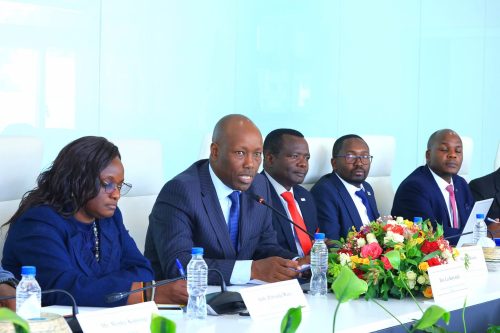
The agreement was signed in Addis Ababa by Ethiopia’s Minister of Trade and Regional Integration, Kassahun Gofe. Kinyanjui said the development signals a shared commitment by Kenya and Ethiopia to enhance trade cooperation and deepen regional integration.
The CS explained that the framework seeks to make cross-border trade easier and more structured, especially for small-scale traders working along the Kenya–Ethiopia border.
“This agreement simplifies and formalises cross-border trade, especially for small-scale traders, many of whom are women and youth,” Kinyanjui said.
Kinyanjui noted that the deal will reduce bureaucracy by cutting red tape, setting clear trade thresholds and agreeing on a common list of products eligible for simplified trade procedures.
“By reducing red tape, setting clear thresholds, and agreeing on a common list of products, we are making it easier, safer, and more dignified for traders to do business,” he added.
Beyond easing trade, Kinyanjui said the agreement is expected to improve livelihoods in border regions by increasing incomes, improving access to essential goods and curbing illicit trade.
“Beyond trade facilitation, this framework is about livelihoods. It will increase incomes, improve access to essential goods, reduce illicit trade, and strengthen peace and cooperation along our shared border,” he said.
He further described the agreement as a practical example of AfCFTA being implemented at the grassroots level, with a focus on including ordinary traders in Africa’s economic growth.
“Importantly, this is AfCFTA in action at the grassroots level. As we pursue continental integration and regional value chains, we are ensuring that ordinary traders are not left behind but are active participants in Africa’s economic transformation,” Kinyanjui stated.