Kenya Power explains why customers pay more for fewer tokens
By Aloys Michael, March 11, 2026Kenya Power has explained why many of its customers feel they are paying more for electricity while receiving fewer tokens, attributing the situation to infrastructure costs, electricity tariff structures, and outstanding bill recoveries.
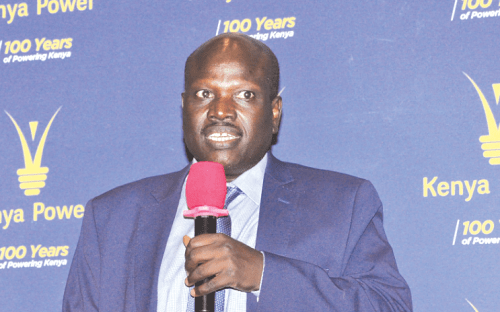
Speaking in an interview on a local TV station on Tuesday, March 10, 2026, the utility firm’s CEO, Joseph Siror, said the perception that electricity in the country is expensive often depends on how much power a household consumes and the appliances being used.
“The perception that electricity is expensive is subjective. If you turn on five or ten bulbs that are 5 watts each, that is about 50 watts. If you ran them for 20 hours, you would still be within the lifeline category. That would just be about a single unit, which costs roughly Ksh12 and about Ksh16 with taxes,” Siror said.
He explained that households with minimal electricity consumption often fall under the subsidised lifeline tariff, which offers cheaper rates for low usage.
Moreover, Siror has said Kenya’s strong reliance on green energy sources such as geothermal power also contributes to higher production costs, as the infrastructure required to generate such power is expensive to install and maintain.
According to the CEO, customers who use only a few basic appliances can pay relatively small amounts for electricity, adding that households running energy-intensive equipment such as swimming pools, water pumps, or multiple appliances would naturally incur higher electricity bills due to increased consumption.
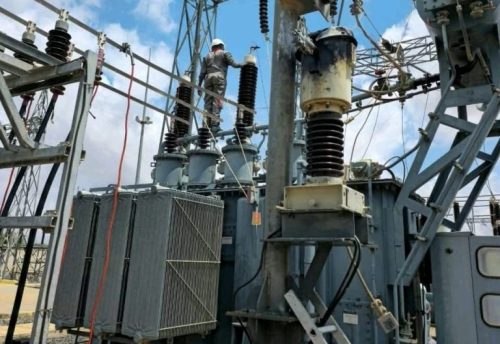
Siror further noted that part of the electricity cost reflects the massive investment required to build and maintain the country’s power infrastructure, which includes transmission lines and distribution systems that deliver electricity to homes and businesses.
“If you look at electricity infrastructure, it reaches your doorstep. Putting up and maintaining that infrastructure is quite expensive. Much of our energy is green, like geothermal, which requires significant investment,” he explained.
Customers’ complaints
The remarks come weeks after Kenya Power addressed complaints from customers who reported receiving fewer electricity units despite purchasing tokens worth the same amount of money as before.
On February 25, 2026, the utility firm responded to concerns raised by a customer who questioned why Ksh3,000 that previously bought more than 115 units now purchases about 94 units, a drop of over 20 units within a month.
The power firm said part of the reduction in units could result from automatic deductions used to settle outstanding electricity bills, stating that up to 20 per cent of a token purchase may first go toward clearing arrears, with the remaining balance converted into electricity units.
For instance, if a customer buys tokens worth Ksh3,000, about Ksh600 could be applied to past bills, leaving the rest to purchase electricity.
Kenya Power also noted that the number of units received can vary based on a household’s average monthly consumption, with households using more than 100 units automatically charged under the higher domestic ordinary tariff.