Inside SACCO’s push for tax reforms to boost lending amid savings safety concerns
By Aloys Michael, January 7, 2026Kenyans who save and borrow through Savings and Credit Cooperative Societies (SACCOs) could soon see relief from high taxes if the National Treasury adopts proposed changes submitted by the Kenya Union of Savings and Credit Cooperatives (KUSCCO).
The move is part of efforts to protect members’ savings, make credit more affordable, and ease the financial burden on households ahead of the 2026 budget cycle.
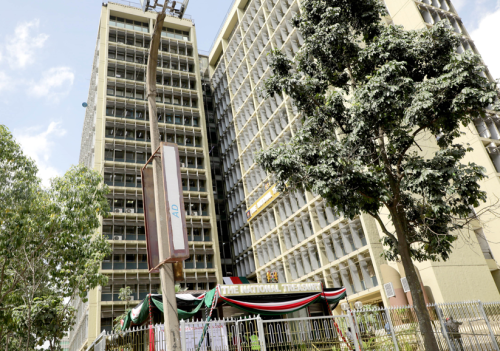
On Tuesday, January 6, 2026, KUSCCO presented a comprehensive set of tax reform proposals to the Treasury. The proposals focus on reducing the cost of financial services provided by SACCOs and supporting members’ ability to access affordable credit.

PHOTO/Pexels
Central to the proposals is a call for the exemption of SACCO members from the 20 per cent excise duty currently charged on loan processing and member account maintenance fees.
The SACCO umbrella body argued that applying excise duty to fees charged by cooperatives to their own members contradicts the doctrine of mutuality.
“SACCOs function under the doctrine of mutuality, where members pool resources and transact within a cooperative they collectively own,” KUSCCO explained.
The doctrine, widely recognised in cooperative law, considers transactions between SACCOs and their members as internal dealings rather than commercial transactions.
“Imposing excise duty on intramember fees fractures the identity between contributors and beneficiaries and re-characterises mutual dealings as a taxable trade, contrary to settled doctrine.”

Tax reprieve?
According to the union, taxing these internal fees increases the cost of credit for members, undermining SACCOs’ primary mission of providing affordable financial services to their members.
Beyond excise duty, KUSCCO has proposed widening the individual income tax bands to raise the tax-exempt threshold.
The union argues that revising tax bands will make the current system more progressive, providing relief to low-income earners who continue to struggle with rising living costs and inflation.
By adjusting the tax bands, KUSCCO hopes the government can ease financial pressure on ordinary households, enabling them to save and borrow more sustainably through SACCOs.
The proposals arrive at a time when the government has been implementing broad reforms in the SACCO sector to restore public trust.
These reforms were prompted by high-profile scandals involving SACCO management, which shook confidence in the sector. Among the changes introduced is the mandatory professional registration of SACCO leaders.
This requirement aims to enhance accountability and ensure that cooperative operations are transparent and in line with regulatory standards.
KUSCCO’s call for tax reform is therefore not just about reducing costs but also about reinforcing SACCOs’ role as safe and reliable financial institutions.
By lowering taxes on internal transactions, SACCOs can increase lending capacity, helping members access funds when needed without the burden of excessive fees.
This could be particularly impactful for small-scale borrowers who rely heavily on SACCO loans for education, healthcare, and business activities.