IMF to govt: Replace fuel subsidies with cash support
By Aloys Michael, May 28, 2026The International Monetary Fund (IMF) has urged Kenya and other economies to rethink how they shield citizens from rising fuel costs, warning that broad fuel subsidies and price caps may be doing more harm than good amid ongoing global energy shocks linked to Middle East tensions.
In a statement on Thursday, May 28, 2026, IMF Managing Director Kristalina Georgieva cautioned that sustained energy price increases are already squeezing households and businesses, especially in import-dependent economies like Kenya.
“Sustained energy price surges can sharply reduce household purchasing power, which hurts poorer families most and strains businesses,” Georgieva warned.
She added that failure to properly address the shock could deepen poverty and weaken economic activity.
“If unaddressed, this can cause lasting damage by pushing more people into poverty and forcing businesses to shut down,” she said.
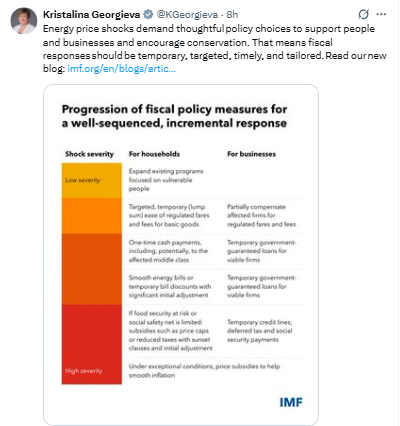
The IMF noted that many governments are under pressure to cushion consumers from rising fuel and electricity costs following disruptions in global oil markets.
However, the international lender warned that poorly designed interventions often become a fiscal burden that is difficult to reverse.
“Measures not designed thoughtfully can be fiscally costly and difficult to unwind,” the IMF said.
Instead of keeping fuel prices artificially low through subsidies, the IMF argues that countries should allow domestic prices to adjust in line with global markets, allowing demand and supply to balance more efficiently.
“Price signals play a major role in allocating scarce resources, encouraging efficient use, and preventing shortages,” Georgieva added.

Cash transfers over blanket subsidies
Rather than broad fuel subsidies, the IMF is now pushing governments toward targeted social protection, especially for low-income households most exposed to fuel and food inflation.
“Targeted cash transfers, ideally delivered through existing social assistance systems, are generally the best way to protect vulnerable households,” Georgieva argued.
She also recommended temporary, targeted support for businesses hit by fuel shocks, including liquidity measures such as government-backed loans, tax deferrals, and short-term credit facilities instead of price controls.
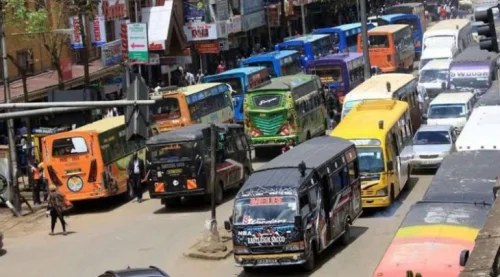
The warning comes as Kenya grapples with steep fuel price hikes. The Energy and Petroleum Regulatory Authority (EPRA) recently raised petrol prices by Ksh16.65 per litre and diesel by Ksh46.29 per litre for the May–June 2026 pricing cycle.
Following the May 14 review, diesel reached a maximum retail price of Ksh242.92 before a Ksh10 reduction announced on May 18, while Super Petrol was priced at Ksh214.25.
The sharp increases triggered widespread concern among transport operators, with protests erupting in parts of the country for two days. Matatu and truck operators led demonstrations, citing soaring operational costs that threaten livelihoods and transport affordability for ordinary Kenyans.