Advertisement
Higher vegetable prices trigger inflation rise in September
Saturday 04th October, 2025 07:10 AM|
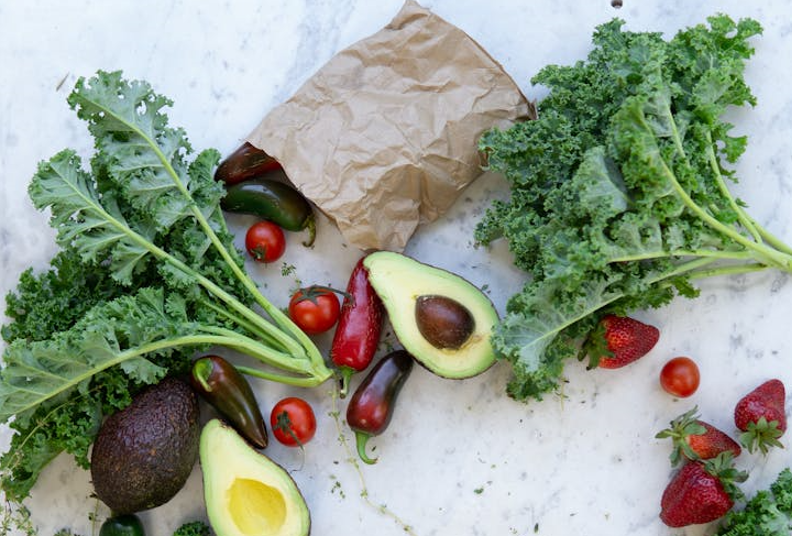
Kenya’s headline inflation edged up slightly in September 2025, driven mainly by an increase in the prices of select vegetable items, according to the latest Central Bank of Kenya (CBK) weekly bulletin.
The CBK attributed the increase in non-core inflation to higher vegetable prices, reflecting seasonal supply pressures and disruptions along the agricultural value chain. Vegetables remain a key component of household food baskets, and changes in their prices have a direct impact on consumer spending, particularly among low- and middle-income households.
“The increase in non-core inflation was mainly driven by higher prices of select vegetable items,” read the CBK bulletin dated October 3, 2025, in part.
Vegetable prices fuel uptick
Headline inflation rose to 4.6 per cent in September from 4.5 per cent in August. Non-core inflation climbed to 9.6 per cent from 9.2 per cent, while core inflation eased to 2.9 per cent from 3.0 per cent during the same period.
You Might Also Like



“Inflation Headline inflation increased to 4.6 per cent in September 2025 from 4.5 per cent in August 2025, largely on account of higher non-core inflation. Non-core inflation increased to 9.6 percent from 9.2 percent in August 2025, while core inflation decreased to 2.9 percent from 3.0 percent over the period,” it added.

Global inflation
Global inflation concerns remained during the week, with Euro Area headline inflation rising to 2.2 per cent in September 2025 from 2.0 per cent in August, mainly on account of higher food prices.
The U.S. Dollar Index weakened by 0.7 per cent during the week, weighed down by investor caution over the ongoing U.S. government shutdown.
“International oil prices declined, with Murban oil prices falling to USD 65.59 per barrel on October 2 from USD 69.85 per barrel on September 25, driven by expectations of a potential OPEC+ supply increase, higher U.S. inventories, and softer demand prospects.”
Policy implications
The CBK noted that while overall inflation remains within the target range of 2.5 to 7.5 per cent, supply-side pressures from food prices require close monitoring. Improving agricultural logistics and stabilising vegetable supply chains are seen as key to mitigating future spikes.
Globally, food-related inflationary trends are also evident, with the Euro Area’s inflation rising to 2.2 per cent in September from 2.0 per cent due to higher food costs.
Locally, the Kenyan shilling remained stable at Ksh 129.24 per USD, helping cushion imported inflation. October data will be closely watched to determine whether the September uptick is temporary or signals a broader shift in price trends.
“The Kenya shilling remained stable against major international and regional currencies during the week ending October 2, 2025. It exchanged at Ksh 129.24 per U.S. dollar on October 2, compared to Ksh 129.26 per US dollar on September 25.”
Author
Latest News








Advertisement
More on Business