Advertisement
Finance Bill 2026: KBA boss says PAYE reduction could inject Ksh28.1B into economy
Tuesday 26th May, 2026 09:37 AM|

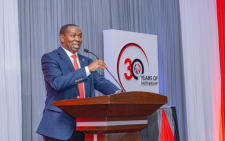
Kenya Bankers Association Chief Executive Officer Raimond Molenje has said the Finance Bill 2026 should be viewed as a policy tool designed to stimulate economic growth through targeted tax relief, particularly a proposed 5 per cent reduction in Pay As You Earn (PAYE) across all tax brackets.
Speaking during an interview with a local station on Tuesday, May 26, 2026, Molenje said that from a banking perspective, the Finance Bill should be understood as part of a broader national strategy to address structural economic challenges rather than isolated tax measures.
He argued that the government’s priority should be expanding the economy, noting that without growth, it becomes increasingly difficult to mobilise sufficient revenue for public spending and development programmes.
Finance Bill framed as growth strategy
Molenje said analysis of recent fiscal data shows that PAYE remains one of the largest sources of government revenue, but insisted that part of it can be redirected back into the economy to stimulate production and consumption.
You Might Also Like



“We have dug into the data, and the number one priority in this particular Bill is to ensure that government gets to expand the economy,” he said.
He added that a 5 per cent reduction in PAYE could release significant funds back into circulation, estimating that it could return about Ksh28.1 billion into the economy.

According to him, Kenya Revenue Authority collected approximately Ksh560 billion from PAYE in the 2024/2025 financial year, a figure he said demonstrates the scale of resources already drawn from workers.
Boost to consumption and investment
Molenje argued that returning a portion of these funds to households would stimulate demand across key sectors of the economy, including manufacturing, retail and services.
“If we do not address the economy, there is no way we will be able to get funds. We are urging the government to ensure that this money gets back into the economy to circulate,” he said.
He explained that increased disposable income would allow consumers to spend more, enabling shopkeepers to sell more and manufacturers to scale up production in response to rising demand.
Economic expansion argument
The KBA CEO further said that such a stimulus-driven approach could expand the economy by as much as Ksh210 billion, driven by improved consumption and investment activity.
He maintained that the Finance Bill should therefore be seen as a balancing act between revenue collection and economic stimulation, arguing that sustainable tax revenue can only be achieved through a growing economy.
The proposals come amid ongoing national debate over the Finance Bill 2026, with stakeholders divided on whether tax relief or revenue expansion should take priority in addressing Kenya’s economic challenges.
Author
Latest News





Advertisement
More on Business