Finance Bill 2026: How new Excise Duty threatens Ksh350B trade in EAC
By Aloys Michael, June 8, 2026A proposed amendment in the Finance Bill 2026 has raised concern among manufacturers and regional trade players, who warn that the move could undermine more than KSh350 billion worth of trade within the East African Community (EAC) and trigger fresh trade disputes among member states.
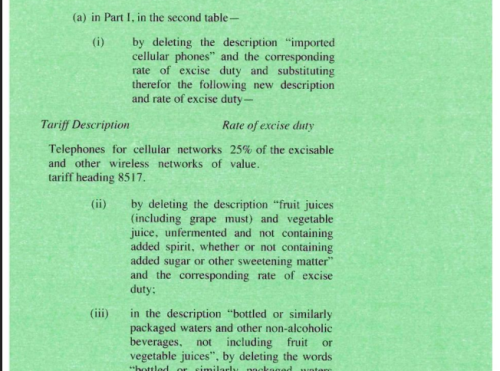
Of the controversy is a proposal to remove long-standing excise duty exemptions for goods originating from EAC partner states.
If enacted, imports from countries such as Uganda and Tanzania would attract the same excise taxes imposed on products from markets outside the region, including Asia and Europe.
Industry leaders argue that the proposal contradicts Kenya’s commitments under the EAC Customs Union, which promotes the free movement of goods across member states.
Kenya Association of Manufacturers (KAM) Chief Executive Tobias Alando cautioned lawmakers that the changes could hurt one of Kenya’s most important export destinations.
“This puts at risk 30 per cent of Kenyan exports which go to EAC Partner States,” warned Kenya Association of Manufacturers (KAM) Chief Executive Tobias Alando in a parliamentary submission.
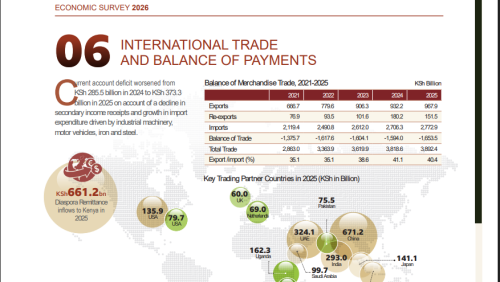
According to the 2026 Economic Survey, Kenya exported goods worth Ksh351.2 billion to EAC countries in 2025, representing 77.6 per cent of the country’s total exports to Africa. The manufacturing sector, which is heavily reliant on regional markets, directly employs 388,564 people and accounts for 11.7 per cent of formal employment.
Tax jitters
The proposed amendments target a wide range of products, including glass, plastics, paper, furniture and ceramics. Manufacturers fear that imposing excise duty on these goods will increase costs, disrupt supply chains and reduce the competitiveness of regional trade.
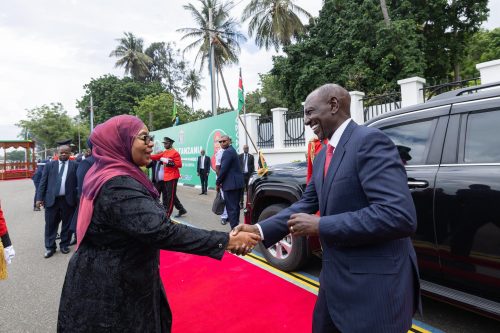
The timing of the proposal has also raised questions. Just weeks before the Finance Bill was published, President William Ruto and Tanzanian President Samia Suluhu Hassan committed to eliminating non-tariff barriers between the two countries by June 30, 2026, as part of efforts to deepen regional integration.
Among the companies expected to be hardest hit is Tanzania-based glass manufacturer Kioo Ltd, a key supplier of glass bottles to Kenyan beverage and pharmaceutical firms.
In a memorandum opposing the proposal, Kioo General Manager Vineet Verma said the introduction of a 35 per cent excise duty on imported glass bottles would significantly increase the company’s operating costs.
Verma estimated that the new levy would add approximately Ksh996 million in annual costs, making the firm’s products uncompetitive in Kenya and threatening jobs at its Tanzanian operations.
He warned that Kioo could be forced to either surrender a substantial portion of its Kenyan market share to local manufacturers or absorb losses that would make exports unsustainable.
According to Verma, the consequences would extend beyond Tanzania, affecting Kenyan manufacturers that depend on imported bottles to meet local demand.
“Kenya cannot supply itself,” Verma noted.
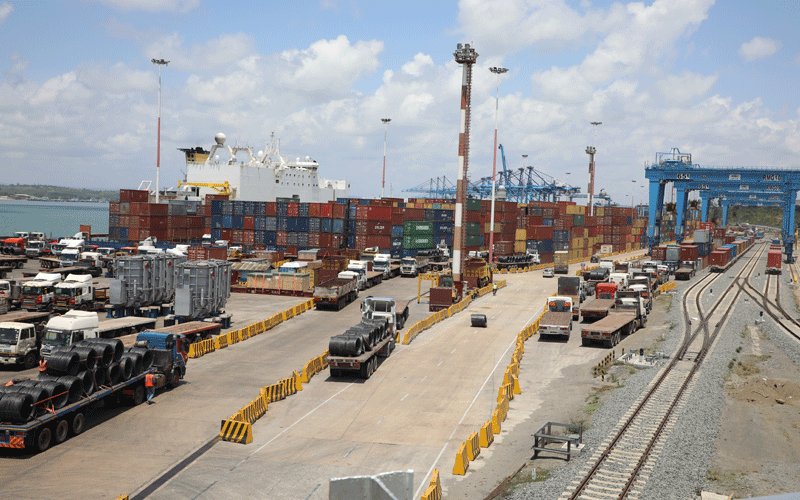
Industry data shows Kenya’s annual demand for container glass stands at about 120,000 tonnes, while domestic manufacturers can only produce around 63,000 tonnes, leaving a significant supply gap that is currently filled through imports.
This is not the first time Kenya has attempted to impose such a levy. In 2020, the government introduced a similar 25 per cent excise duty on imported glass products, but the measure was successfully challenged at the East African Court of Justice, which found it discriminatory.
Manufacturers now argue that the latest proposal risks breaching Kenya’s obligations under regional trade agreements and could provoke retaliatory measures from neighbouring countries.
“The proposed amendments would delete the EAC carve-out from over twenty tariff descriptions. This is retrogressive and could trigger retaliatory measures from partner states,” KAM’s memorandum stated.
Trade imbalance
The concerns come as Kenya’s trade imbalance with the EAC continues to widen. While exports to the region increased in 2025, imports also rose sharply, particularly for sugar, glass products and industrial raw materials.
Economic Survey data shows imports from Africa grew from Ksh270.7 billion in 2024 to Ksh283.5 billion in 2025. Imports from Uganda rose by 24.5 per cent during the period, while imports from Eswatini increased by 28.4 per cent, largely driven by sugar shipments.
The National Treasury has defended the proposed tax measures as part of efforts to boost government revenue and raise the tax-to-GDP ratio to 19 per cent. However, manufacturers argue that any revenue gains could be outweighed by losses in export earnings, investment and employment.
Beyond the excise duty proposal, industry players are also challenging plans to shift several industrial inputs from zero-rated to VAT-exempt status.
They say the move would prevent manufacturers from claiming input VAT refunds, thereby increasing production costs across sectors such as agro-processing, pharmaceuticals and packaging.
KAM maintains that policy uncertainty remains a major concern for investors.
“Manufacturing contributes about 7.1 per cent of GDP, employs 388,564 Kenyans directly in 2025 and contributes at least 18 per cent of taxes. Such frequent changes increase business uncertainty,” KAM’s memorandum noted.
Manufacturers are now urging Parliament to reject the proposed amendments, warning that Kenya risks weakening regional trade ties at a time when East African governments are pushing for deeper economic integration and expanded intra-African commerce.