Explainer: What court’s ruling on Ruto’s Riruta-Ngong Railway project means for taxpayers
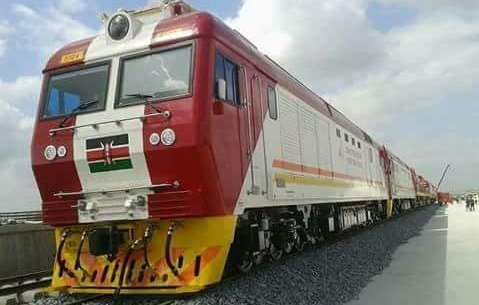
By Aloys Michael, July 19, 2026The High Court ruling on President William Ruto’s Ksh12 billion Riruta-Ngong commuter railway project means taxpayers will now wait to see whether the government can legally complete the project without further delays or additional costs.
The court declared the project unconstitutional after finding that the government failed to meet key legal requirements before construction began. However, the ruling did not permanently cancel the railway, allowing it to proceed if authorities comply with the law.
For taxpayers, the decision raises questions about how public funds were committed, whether the project will become more expensive and what safeguards exist when billions of shillings are spent on major infrastructure.
The Ksh12 billion Riruta-Ngong Railway project was declared unconstitutional by the High Court, which suspended construction but did not permanently stop the project. The government has 90 days to review procurement and existing contracts, while taxpayers could face delays or higher costs if fresh procurement becomes necessary.
What changed?
In a judgment delivered on Friday, July 17, 2026, Justice Gregory Mutai found that the government violated legal requirements when implementing the Riruta-Ngong Railway project.
The court ruled that authorities failed to obtain parliamentary approval, conduct a competitive procurement process, undertake a feasibility study and carry out meaningful public participation before construction started.
Justice Mutai also found that the project was illegally financed through the Railway Development Levy Fund before March 27, 2026, adding that later legal amendments could not correct earlier violations.The ruling puts the spotlight on the use of public money in government projects.
Although the court did not order the government to refund funds already spent, taxpayers will be watching how authorities handle the money already committed to a project that was about 40 per cent complete.
The government must now either open the remaining works to a fresh tender or prove that existing contracts meet constitutional requirements.One of the biggest concerns for taxpayers is whether the ruling could increase the final cost of the railway.
A new procurement process could delay completion and potentially affect construction costs if contracts have to be reviewed, cancelled or renegotiated.
However, the court’s decision does not automatically mean the project will be abandoned.
Why it matters
The Riruta-Ngong Railway was commissioned by President William Ruto in December 2023 to improve commuter transport between Riruta and Ngong and ease congestion along Ngong Road.
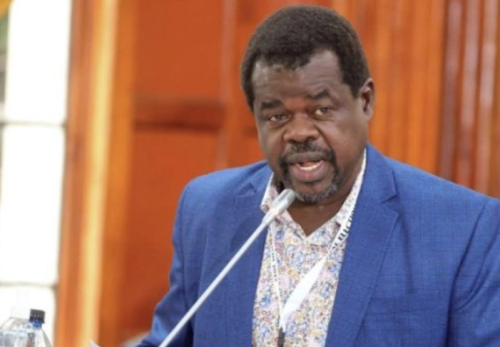
The project became the subject of legal challenges after Busia Senator Okiya Omtatah argued that the government had illegally used the Railway Development Levy Fund and failed to involve the public before starting construction.
The court also faulted Kenya Railways Corporation and other government agencies for failing to provide important project documents despite orders requiring disclosure.
Justice Mutai ruled that public consultations conducted after construction had already begun could not correct earlier constitutional violations. The government now has 90 days to determine how to proceed with the project.
Authorities must either conduct a fresh tender for the remaining works or demonstrate that existing contracts can withstand legal scrutiny.
For taxpayers, the next phase will determine whether the railway becomes a completed public investment or faces further delays because of legal and procurement challenges.