COMESA greenlights Safaricom stake sale to Vodacom in major telecom deal
By Aloys Michael, March 3, 2026The COMESA Competition and Consumer Commission (CCCC) has given the green light to the sale of a 15 per cent stake in Safaricom to Vodacom, concluding that the deal poses no threat to competition in Kenya or across the wider regional market.
According to the findings, Safaricom holds between 60 and 70 per cent of Kenya’s mobile (SIM) subscription market, followed by Airtel at 30-40 per cent and Telkom Kenya at 0-10 per cent.
In the broadband segment, Safaricom controls 30-40 per cent of the market, with Jamii Telecommunications accounting for 20-30 per cent, Poa Internet 10-20 percent and Wananchi Group 10-20 per cent.
“The Panel considered that further to the transaction not resulting in market share accretion, the relevant markets were generally concentrated across the Member States where the parties have operations,” CCCC said in its report.
“The Panel, therefore, determined that the merger was not likely to substantially prevent competition in the Common Market or a substantial part of it, nor will it be contrary to public interest.”
On January 16, 2026, the Commission received notification of the merger between Vodafone Kenya Limited, the acquiring firm, and Safaricom PLC, pursuant to Regulation 42(1) of the COMESA Competition and Consumer Protection Regulations.
In 2025, the government announced plans to sell its 15 per cent stake in Safaricom to Vodacom Group, subject to regulatory and parliamentary approvals.
Under the deal, the State is expected to offload about six billion shares at Ksh34 per share, raising approximately Ksh204.3 billion.
Can Kenyans buy shares?
Treasury Cabinet Secretary John Mbadi had explained why the government has not opened the sale of the government’s 15 per cent stake in Safaricom to the Nairobi Securities Exchange (NSE) for the Kenyan public to purchase.
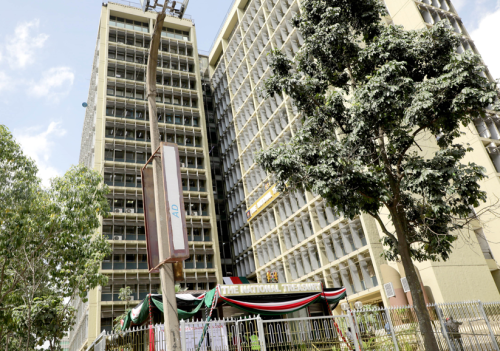
Speaking during a morning radio show on Wednesday, December 10, 2025, Mbadi addressed growing controversy over the sale of the stake to South African multinational Vodacom.
He noted that while Kenyans could technically buy the shares if the stake were listed on the NSE, Vodacom was better suited for the acquisition due to its long-standing relationship with Safaricom and deep experience in the telecommunications sector.
According to him, the company has the capacity to take on risks that new entrants may struggle with. He further explained that the share price at the NSE is significantly lower than the price the government received.
Mbadi also argued that listing the stake on the NSE would not have been financially prudent.
He explained that the share price currently trading on the local exchange is significantly lower than what the government secured in the deal with Vodacom.
Offloading such a large block of shares to the public would have increased market supply, likely triggering a price drop and leading to even lower returns.
“The share price of those in NSE is way less than the price that we got. If we had taken it to the market, we would have got it at a discount share price, because we were offloading more shares. We create more supplies of shares as opposed to the demand, which is constant; the price would even come down,” Mbadi stated.