Advertisement
CBK confirms international oil prices surge as Middle East conflict escalates
Friday 13th March, 2026 07:47 PM|

International oil prices surged sharply amid escalating conflict in the Middle East, driving market volatility and stoking inflation fears, according to the Central Bank of Kenya’s Weekly Bulletin for March 13, 2026.
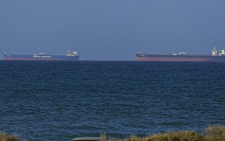
Murban crude traded at Ksh 11,896 per barrel on March 12, 2026, up from Ksh9,859 per barrel a week earlier. The spike reflects heightened risks from attacks on energy infrastructure and shipping disruptions, particularly around the Strait of Hormuz.
“International oil prices remained volatile during the week with Murban crude oil trading at Ksh11,896 per barrel on March 12, compared to USD 76.25 per barrel on March 5,” read part of the CBK X post.
According to CBK, inflation concerns persisted during the week, driven by volatility in international oil prices arising from the ongoing conflict in the Middle East.
You Might Also Like


In the United States, headline inflation remained unchanged at 2.4 per cent in February, while core inflation was stable at 2.5 per cent. The U.S. Dollar Index appreciated by 0.4 per cent over the week, reflecting elevated geopolitical risks and increased demand for safe-haven assets.

Inflation and currency implications
The oil price surge has intensified concerns about inflation, even as U.S. headline inflation remained steady at 2.4 per cent in February, with core inflation at 2.5 per cent. The U.S. Dollar Index rose by 0.4 per cent during the week, reflecting demand for safe-haven currencies amid geopolitical uncertainty.
For Kenya, higher oil prices could increase import bills, exerting upward pressure on domestic inflation despite relatively stable exchange rates.
The Kenyan shilling traded narrowly between Ksh129.23 and ksh129.30 against the dollar, while foreign exchange reserves held steady at Ksh1.87 trillion, providing about 6.2 months of import cover.
“The Kenya Shilling remained relatively stable against major international and regional currencies during the week ending March 12, 2026. It exchanged at Ksh 129.30 per U.S. dollar on March 12, compared to Ksh 129.20 on March 5.”
Domestic market resilience
Despite external pressures, Kenya’s domestic equity markets showed strong performance. For the week ending March 12, 2026, the NASI, NSE 25, and NSE 20 indices rose by 1.63 per cent , 2.31 per cent, and 2.28 per cent, respectively, with market capitalisation up 6.7 per cent, partly due to the Kenya Pipeline IPO. Equity turnover jumped 38.41 per cent, reflecting robust investor activity.
However, bond trading fell by 11.47 per cent, and yields on Kenya’s Eurobonds increased by an average of 33.37 basis points, indicating sensitivity to rising global yields and risk aversion.
The Middle East conflict highlights vulnerabilities in global energy security, with direct effects on inflation, currency stability, and financing costs for emerging markets like Kenya.
While resilient domestic markets and strong reserves provide some buffer, sustained high oil prices could tighten fiscal and household budgets. Monitoring de-escalation efforts and supply stabilisation will be crucial for easing pressures on both global and local economies.
Author
Latest News








Advertisement
More on Business