Africa Food Summit puts Ksh129T food financing gap under spotlight as imports rise
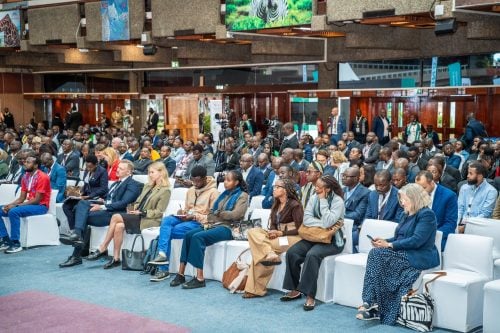
By Aloys Michael, July 1, 2026More than 1,000 policymakers, financiers, agribusiness leaders and development partners are meeting in Nairobi for the ongoing Financing Agri-Food Systems Sustainably (FINAS) 2026 Summit, as Africa seeks to close an estimated Ksh129 trillion (US$100 billion) annual agricultural financing gap that continues to weaken food security, increase food imports and limit investment in modern farming.
The three-day summit, which concludes on July 2, 2026, has brought together governments, investors, development finance institutions and private sector players to explore how Africa can unlock more investment into agriculture at a time of rising climate risks, global market disruptions and growing demand for food.
The discussions come at a critical time for Africa’s agriculture sector. Although the continent holds nearly 60 per cent of the world’s remaining uncultivated arable land, it remains a net food importer. The African Development Bank projects Africa’s food import bill will exceed Ksh14.3 trillion (US$110 billion) this year, highlighting the urgent need to increase domestic food production and reduce dependence on imports.
Delegates say closing the financing gap is becoming increasingly urgent as the continent’s agricultural systems struggle to keep pace with population growth, climate change and rising production costs.
Key in the summit is an estimated Ksh129 trillion annual financing gap that continues to limit investment in irrigation, mechanisation, storage, value addition, agricultural technology and access to affordable credit for farmers and agribusinesses.
“FINAS 2026 is about moving beyond commitments to coordinated delivery,” Hamadi Boga, Vice President of the Alliance for a Green Revolution in Africa (AGRA) and Chair of the FINAS Secretariat, said.
The summit is also focusing on financing the implementation of the CAADP Kampala Declaration, which seeks to strengthen food systems through greater domestic investment, private sector participation and coordinated agricultural policies across Africa.
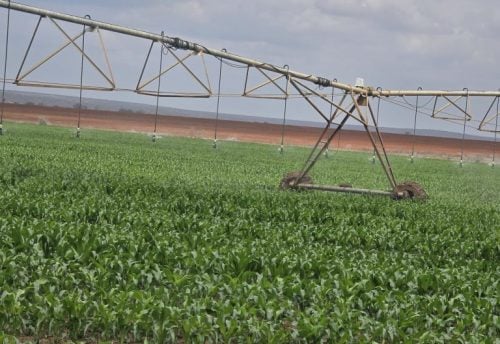
Tackling food insecurity
Kenya used the summit to unveil its Ksh1.081 trillion National Agri-food Systems Investment Plan (NASIP 2026–2030), positioning it as a model for mobilising long-term investment into agriculture.
“The plan is our invitation to investors and partners to join us in building a more food-secure, resilient and prosperous nation,” said Livestock Development Principal Secretary Jonathan Mueke during the launch.
The investment framework will channel funding into irrigation, agro-processing, climate-smart agriculture, digital technologies, research, agricultural finance and value chain development. According to the government, 35 per cent of the funding will come from national and county governments, 45 per cent from private investors and 20 per cent from development partners, with the programme expected to create more than two million jobs.
The summit is taking place as households across Africa continue to grapple with rising food prices and higher production costs, driven partly by climate shocks and continued volatility in global commodity markets.
Global supply chain disruptions have also added pressure to agricultural production. Tensions in the Middle East have contributed to uncertainty in energy markets and shipping routes, particularly through the Red Sea corridor, increasing freight and insurance costs for some cargo. Analysts say higher transport and energy costs can raise the price of imported fertiliser, increasing production costs for farmers who depend on imported inputs.
Africa remains particularly vulnerable because many countries import a significant share of their fertiliser and other agricultural inputs. Higher input costs have increased production expenses for staple crops such as maize and wheat, with the effects eventually filtering through to consumers in the form of higher food prices.
Climate change is adding another layer of pressure. Scientific assessments discussed during the summit warn that crop yields in sub-Saharan Africa could decline by about 10 per cent if global temperatures rise by 2°C, threatening food production and rural livelihoods.
For policymakers meeting in Nairobi, the challenge extends beyond raising more money for agriculture. It is also about directing financing into projects that improve productivity, strengthen food value chains, reduce post-harvest losses and build resilience against climate shocks.
As the summit enters its final day, the focus is shifting from policy commitments to implementation. Governments, investors and development partners are expected to outline practical financing mechanisms that can accelerate investment into African agriculture and begin narrowing the continent’s Ksh129 trillion annual food financing gap.
The outcome of the Nairobi summit is likely to shape future discussions on agricultural investment across the continent, as African countries seek to reduce reliance on food imports, strengthen domestic food production and build more resilient food systems in an increasingly uncertain global economy.