70% of govt revenue in Kenya is used to repay debt – Report
By David Nthua, October 8, 2025Okoa Uchumi Kenya has, in its latest report, revealed that out of every Ksh10 collected by the Kenyan government, Ksh7 goes to debt repayment.
This is despite the fact that Kenya’s current debt standing cannot be fully verified due to gaps in public disclosure.
The report indicates that Kenya’s debt now stands at Ksh 11.81 trillion, comprising Ksh 6.3 trillion in domestic debt and Ksh 5.48 trillion in external debt.
According to the findings released on Tuesday, October 7, 2025, domestic borrowing mainly benefits wealthy lenders, transferring wealth from the poor to the rich.
The report followed Jimi Wanjigi’s assertion that spending every shilling on debt repayment was erasing Kenya’s future.
Kenya is in a debt crisis
Human rights groups have urged the government to ban supplementary budgets, scrap the National Government Constituency Development Fund (NG-CDF), and make all loans, amounts, and creditors public.
“Kenya is already in a debt crisis. Domestic debt has overtaken foreign debt and is more prone to misuse. With external debt, we can track the funds, but for domestic debt, we cannot,” Alexander Riithi, Head of Programs at The Institute for Social Accountability (TISA), said.
The report highlights that massive corruption continues to affect ordinary Kenyans, worsening unemployment, poor education systems, and a collapsing health sector.
“About 30 per cent of our population is unemployed. We have an education system that hasn’t been tested. Kenyans are telling us the health sector has become a killing field, where you don’t know if you will survive tomorrow,” Riithi added.
The organisation warned that without immediate reforms, Kenya risks falling into a permanent debt trap.
Also watch: David Maraga says public debt has gone out of control since 2013.
Calls to reform borrowing and transparency
Several leaders echoed the call for urgent change. Saboti MP Caleb Amisi said Kenya must stop borrowing from global lenders whose policies do not match Africa’s development needs.
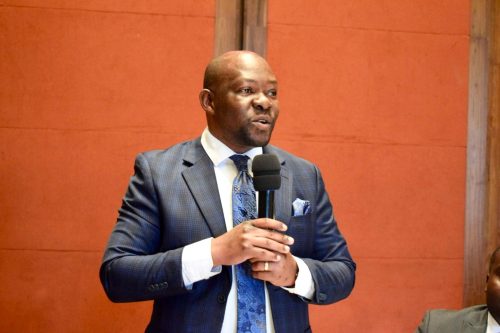
“We need to get off the yoke of the World Bank and IMF. These institutions were created to rebuild Europe after World War II. How does that plan help Africa’s development? We must speak about it,” Amisi said.
Diana Gichengo, Executive Director of TISA, urged the government to stop unapproved supplementary budgets and reform the NG-CDF.
“Each one increases the fiscal gap with expenditures we did not approve. NG-CDF must also be reformed,” she stated.
Meanwhile, Jason Rosario Braganza, Executive Director of the African Forum and Network on Debt and Development, said debt should no longer be treated as a mere financial instrument.
“Now more than ever, we need to start rethinking debt as more than a financial instrument. Its impacts extend beyond numbers on a ledger to governance, social equity, and accountability,” Braganza said.