Advertisement
From petrol to ugali: How Kenya fuel prices shape the cost of living
Wednesday 15th July, 2026 05:04 PM|

A rise in Kenya fuel prices could push between one million and 2.4 million additional Kenyans into poverty, according to the World Bank, highlighting how global oil shocks can quickly translate into a higher cost of living for households across the country.
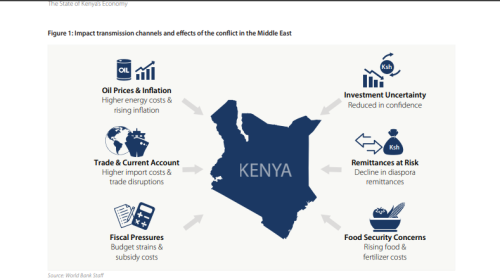
In its latest Kenya Economic Update, the World Bank warns that higher fuel costs triggered by the ongoing conflict in the Middle East are creating a chain reaction throughout the economy: fuel prices rise, transport costs increase, food prices climb, household purchasing power falls, and poverty deepens.
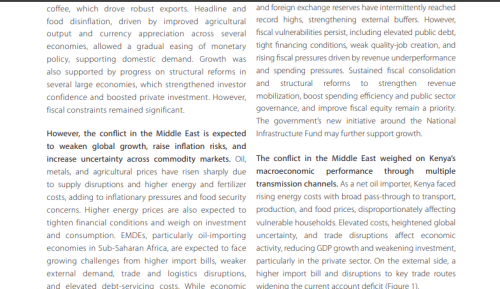
“The conflict in the Middle East weighed on Kenya’s macroeconomic performance through multiple transmission channels,” the report states, citing higher energy costs, inflationary pressures, trade disruptions and increased economic uncertainty.
The findings help explain why many Kenyans continue to feel squeezed by rising living costs even as inflation remains broadly within the Central Bank of Kenya’s target range and the economy continues to grow.
Why are Kenya’s fuel prices rising?
You Might Also Like



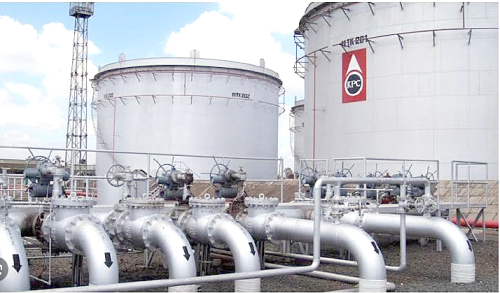
As a net importer of petroleum products, Kenya is highly exposed to developments in global energy markets. The World Bank notes that the escalation of the Middle East conflict in early 2026 disrupted global oil supply chains and pushed international fuel prices higher.
The impact was immediate. Between March and April 2026, diesel prices increased by 17.9 per cent while petrol prices rose by 10.8 per cent.
While those figures may appear confined to the energy sector, fuel costs influence almost every part of the Kenyan economy, from farming and manufacturing to transport and retail trade.
One of the clearest consequences of rising fuel prices is higher transport costs. According to the World Bank, transport prices increased by 10 per cent year-on-year in April 2026 and remained elevated at 9.8 per cent in June.
Public transport operators, logistics companies, manufacturers and distributors all face higher operating expenses when fuel becomes more expensive. Those additional costs are often passed directly to consumers through higher fares and increased prices for goods and services.
For households that rely on matatus, buses and motorcycles for daily commuting, transport inflation immediately reduces disposable income.

Surging food prices
The connection between fuel prices and the food prices Kenya consumers pay is often overlooked.
Higher diesel costs increase the expense of transporting farm produce from rural areas to urban markets. Fuel also affects irrigation, food processing, storage and distribution.
As a result, rising energy costs ripple through the entire food value chain. The World Bank reports that food prices rose by 8.8 per cent year-on-year in April 2026 and remained elevated at 8.6 per cent in June.
For many families, food represents the largest monthly expense. Poorer households are particularly vulnerable because they spend a greater share of their income on essential items such as maize flour, vegetables, cooking oil and transport.
The report notes that lower-income households are disproportionately exposed to fuel-driven inflation because they spend more of their income on food and transport than wealthier households.
How higher fuel prices increase poverty
The World Bank’s most striking finding is the projected impact on poverty.
Using microsimulation models that account for household spending patterns, sectoral income sources and inflation, the institution estimates that higher fuel prices could increase Kenya’s poverty rate by between two and 4.5 percentage points in 2026.
That would translate into between one million and 2.4 million additional Kenyans falling below the international poverty line.
The report warns that rising transport costs and food prices are eroding household purchasing power, particularly among low-income families that have limited capacity to absorb price shocks.
To cushion consumers and businesses from rising energy costs, the government reduced VAT on fuel from 16 per cent to 8 per cent.
According to the World Bank, the measure is expected to provide temporary relief but could also reduce government revenue by between Ksh11 billion and Ksh22 billion during the final quarter of the fiscal year.
The report describes this as a difficult policy trade-off: protecting households from inflation while preserving fiscal space at a time when public debt and budget pressures remain elevated.
The World Bank’s analysis shows that Kenya’s fuel prices are far more than an energy issue. They influence transport costs Kenya commuters pay every day, shape food prices Kenya families encounter in markets and supermarkets, and ultimately determine the cost of living Kenya households face.
From a matatu fare in Nairobi to the price of maize flour in Kisumu, the effects of global oil shocks are felt throughout the economy.
The lesson is simple but significant: when fuel prices rise, the journey from petrol to ugali becomes more expensive for everyone.
Author
Latest News






Advertisement
More on Business