Why UN’s Ksh91M climate funding gives Kenya tools to tackle drought and floods
By Lavender Kusimba, June 10, 2026The price tag of climate change is often written in dried-up rivers, washed-away roads, failed harvests, and families forced to leave their homes.
Yet despite enduring some of East Africa’s most devastating climate shocks, Kenya has never fully measured the true scale of what has been lost. That is set to change.
In a landmark breakthrough announced at the United Nations (UN) climate negotiations in Bonn, Germany, Kenya has become the first country in Africa and only the second globally to secure technical assistance from the Santiago Network on Loss and Damage.
The support, valued at approximately Ksh91 million, will fund the country’s first comprehensive assessment of climate-related loss and damage over the last decade.
The initiative marks more than a financial win. It signals a growing recognition that climate change is not only an environmental crisis but also a mounting economic burden whose costs have largely remained invisible.
F/X
The assessment will examine the impacts of climate-related disasters across Kenya, generating evidence that can guide policy decisions, strengthen climate planning and support efforts to mobilise funding for vulnerable communities.
The development was formally communicated to Principal Secretary for Environment and Climate Change Festus K. Ng’eno by Santiago Network representative Elizabeth Carabine on the margins of the UNFCCC Subsidiary Bodies (SB64) Climate Meeting in Bonn.
“For Africa, this is an important step from recognition of losses to addressing them, and the next challenge is ensuring that evidence unlocks finance at the scale communities need, Amos Wemanya of Power Shift Africa said.
“As climate impacts intensify, the real test now is whether technical assistance can translate into faster action, stronger evidence, and ultimately greater financial support through the Loss and Damage Fund.”
According to the Ministry of Environment, Climate Change and Forestry, the assessment will provide critical evidence to inform national planning and resilience-building efforts as climate risks continue to intensify.

The humanitarian crises
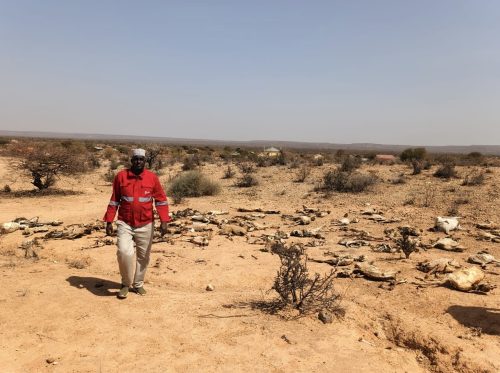
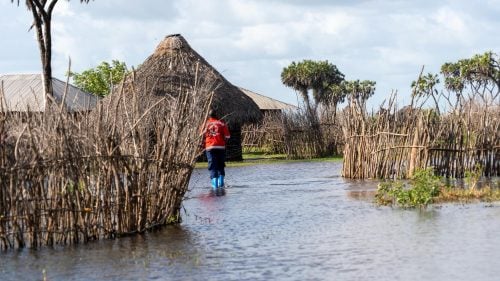
The announcement comes at a time when Kenya is grappling with increasingly severe climate extremes. Between 2020 and 2023, the country experienced one of the worst droughts in decades, leaving millions food insecure and decimating livestock populations across arid and semi-arid regions. Barely had communities begun recovering when intense rains triggered floods that destroyed homes, roads, schools and health facilities.
These disasters have carried enormous costs, yet experts argue that traditional assessments often capture only part of the damage.
While governments can estimate the value of collapsed bridges or destroyed crops, the social and cultural losses caused by climate change are far more difficult to quantify. Displacement of families, disruption of education, loss of indigenous knowledge, declining biodiversity, and deteriorating public health frequently go undocumented despite their long-term consequences.
“The move to pioneer Kenya as the first country in Africa to document Losses and Damages signifies positive progress on climate action. Kenya is among African countries that continue to experience losses and damages, floods destroying critical infrastructure, communities getting displaced, cultures lost, livelihoods disrupted, while economic gains get rolled back significantly,” Fred Njehu, Pan-African Political Strategist at Greenpeace Africa, explained.
“It is long overdue for countries on the frontline of the climate crisis to receive support to build resilience. Kenya’s allocation points to shifting climate actions, from frameworks, roadmaps and dialogues to actual implementation.”
The planned national assessment seeks to bridge that gap by creating a detailed picture of both economic and non-economic losses linked to climate change.
This information could prove crucial as countries compete for limited climate financing.
One of the greatest challenges facing developing nations has been demonstrating the extent of climate-related damage in a way that supports funding requests. Without reliable data, governments often struggle to access international resources designed to support recovery and resilience.
By documenting a decade of climate impacts, Kenya hopes to build a stronger evidence base for future investments and strengthen its position in global climate negotiations.
The move also reflects the growing prominence of the loss and damage agenda within international climate discussions.
For African countries, the issue carries particular significance. Although the continent contributes only a small fraction of global greenhouse gas emissions, it remains among the regions most exposed to climate-related disasters.
Kenya’s successful application to the Santiago Network therefore represents more than a national achievement. It highlights Africa’s increasing push for climate justice and greater recognition of the disproportionate burden borne by developing countries.